

WordPress email automation can turn a busy website into a predictable revenue and retention engine by sending the right message at the right moment. For most businesses, the best setup blends a reliable email platform, smart trigger-based workflows, and strong deliverability so every campaign works harder with less manual effort.
In this guide, I’ll break down how wordpress email automation works, which tools are worth considering, how to build high-performing workflows, and what a practical implementation looks like for agencies, SaaS brands, eCommerce stores, and content-driven businesses across the USA, UK, and Canada.
Why automated email matters more than manual sending
Manual newsletters still have a place, but they cannot compete with automated lifecycle email when you want to welcome new subscribers, recover abandoned carts, nurture leads, or re-engage inactive contacts at scale.
Automation matters because email behavior is event-driven: a signup, purchase, form submission, page visit, or product view can each trigger a tailored sequence. That means your site can respond instantly instead of waiting for a marketer to press send.
For WordPress sites, this is especially valuable because your CMS, forms, checkout, and membership tools already sit in one ecosystem. When connected properly, WordPress can become the control center for segmentation, messaging, and conversion-focused workflows.
How WordPress email automation works in practice
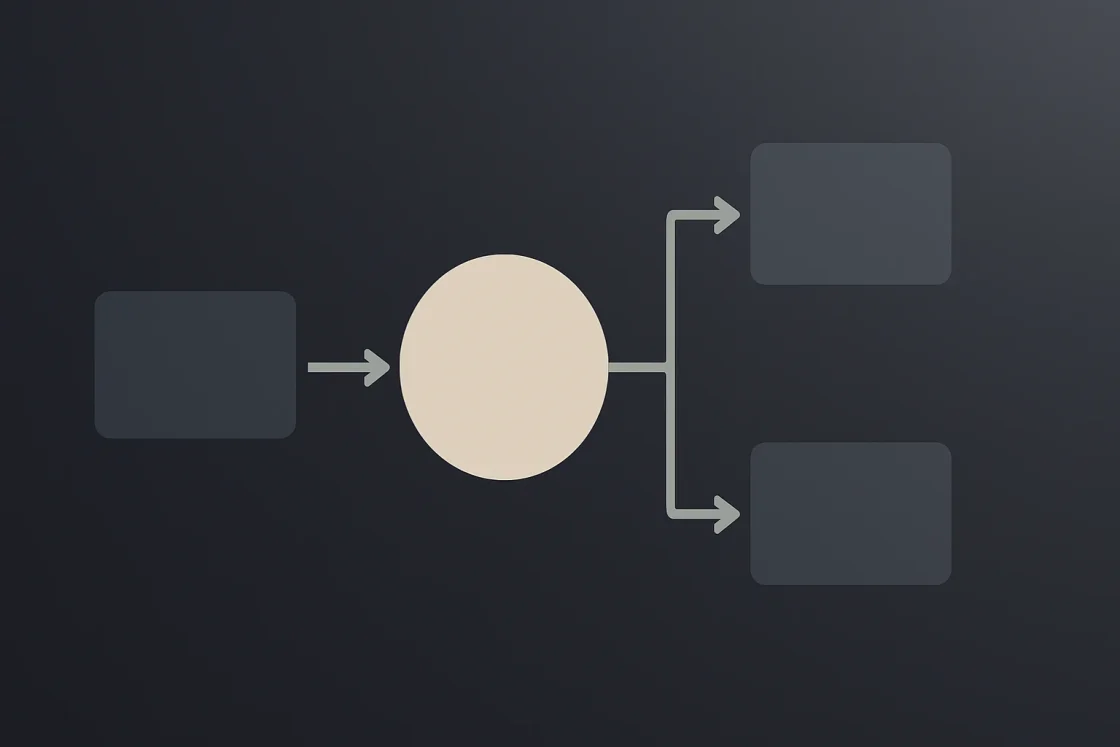
At a practical level, a workflow usually has four parts: a trigger, a delay, an action, and optional branching logic. A trigger starts the workflow, a delay controls timing, an action sends the email or updates the contact, and branching logic changes the path based on behavior such as opens, clicks, or purchases.
For example, a welcome sequence might begin when a visitor joins your list through a WordPress form. One hour later they receive a branded welcome email, two days later they get a helpful resources email, and a week later they receive an offer based on engagement.
More advanced tools also support tags, segments, automation rules, and CRM-style contact records so your emails become more relevant over time.
The best tools for WordPress email automation
There is no single “best” plugin for every site; the right choice depends on whether you prioritize ecommerce, newsletters, CRM, deliverability, or low-code workflows. The current plugin landscape includes dedicated WordPress-native tools such as FluentCRM, newsletter platforms like MailPoet, and integration-focused tools that connect WordPress to external systems.
If you need reliable deliverability for transactional and marketing mail, pairing WordPress with a trusted SMTP service is often recommended. One common agency-friendly option is Kinsta for managed hosting and performance-focused infrastructure, especially when paired with a proper SMTP and email stack.
Here are the tools most often worth evaluating:
- FluentCRM for WordPress-native CRM, segmentation, and automation inside your dashboard.
- MailPoet for newsletters, post notifications, and WooCommerce-friendly automation.
- MailerLite for a polished all-in-one marketing workflow with simple automation options.
- Brevo for email marketing plus a CRM layer and practical free-tier usage.
- FunnelKit Automations for WooCommerce-focused marketing automation and customer journeys.
- WP Mail SMTP for improving email deliverability on WordPress sites.
- AutomatorWP and WP Webhooks for trigger-based site automation across plugins and external apps.
- OptinMonster for high-converting lead capture before automation begins.
For broader market research, comparison roundups from WP Mail SMTP, EmailToolTester, Sender, and Venture Harbour consistently highlight FluentCRM, MailPoet, Brevo, MailerLite, ActiveCampaign, and Omnisend as strong options depending on use case.
Choosing the right stack for your business model
The best stack depends on what you actually sell. A membership site, a local service business, and a WooCommerce store should not use the same workflow design or tool priorities.
For WooCommerce stores
If you run an online store, automation should focus on cart recovery, post-purchase cross-sells, replenishment reminders, and customer win-back sequences. Plugins and tools such as FunnelKit Automations, MailPoet, and FluentCRM are frequently recommended because they handle store behavior and lifecycle messaging well.
A common pattern is: abandoned cart email after one hour, reminder after 24 hours, discount incentive after 48 hours, and a final reminder only if the customer has not converted. Video walkthroughs of popular WordPress automation tools show similar logic in real campaigns.
For lead generation sites
Service businesses and agencies usually need form-based nurture workflows, consult booking reminders, and proposal follow-up sequences. In these cases, tools such as FluentCRM, Brevo, MailerLite, or integrations via AutomatorWP can help move a lead from inquiry to booked call with minimal manual effort.
For publishers and content brands
Publishers often benefit from post notifications, digests, welcome sequences, and topic-based segmentation. MailPoet and FluentCRM are particularly useful here because they support content-driven sends and audience segmentation within WordPress.
High-impact automation workflows every WordPress site should consider
Most WordPress sites do not need dozens of automations. They need a small number of well-built workflows that map directly to revenue, retention, or customer support outcomes.
1. Welcome series
A welcome series introduces your brand, sets expectations, and drives the first meaningful click. The goal is to convert a new subscriber from “just joined” to “actively engaged.”
A strong welcome sequence often includes:
- A quick thank-you email immediately after signup.
- A value email with best resources, products, or services 1 day later.
- A trust-building email featuring proof, testimonials, or case studies 3 days later.
- A conversion email with a clear next step 5 to 7 days later.
2. Abandoned cart recovery
Abandoned cart automation is one of the highest-ROI workflows for ecommerce because it targets people already showing purchase intent. Educational demos of WordPress email automation tools repeatedly show abandoned cart workflows as a core use case.
Effective cart recovery usually avoids over-emailing. The best sequences are short, timely, and personalized with product details, urgency, and support options.
3. Post-purchase onboarding
After a sale, the job is not finished. A post-purchase sequence reduces buyer anxiety, increases product adoption, and creates repeat purchase opportunities.
This sequence may include order confirmation, usage tips, setup instructions, review requests, and complementary product recommendations.
4. Lead nurture for service businesses
If your site generates inquiries instead of direct sales, use automation to qualify, educate, and convert leads over time. For example, a consulting firm might send a lead magnet, then a case study, then a booking invitation, then a reminder if the form is not completed.
5. Re-engagement campaigns
Inactive subscribers should not stay in your list forever without a plan. A re-engagement workflow can identify dormant contacts, send a “still interested?” message, and either revive or suppress them based on response.
Deliverability: the part most WordPress users overlook
Even the best automation strategy fails if emails land in spam. WordPress users often assume that sending email through the site is enough, but many hosts are not optimized for reliable marketing delivery.
That is why dedicated SMTP solutions and external email platforms matter. WP Mail SMTP is commonly recommended in WordPress roundups because it helps improve the reliability of mail delivery from WordPress sites.
For agencies and site owners, deliverability best practices usually include:
- Using a properly authenticated sending domain.
- Sending transactional and marketing mail through appropriate services.
- Keeping list quality high with clean opt-in forms.
- Removing hard bounces and inactive contacts.
- Testing inbox placement before launching key campaigns.
For infrastructure, performance-oriented hosting can also help reduce friction. If you are comparing host choices for a WordPress business stack, Kinsta is one example of a managed environment frequently used by agencies focused on speed and stability.
How to build a wordpress email automation system step by step
Below is a practical implementation path that works well for most small and mid-sized WordPress sites.
- Choose your primary platform based on whether you need CRM features, WooCommerce automation, newsletters, or integrations.
- Set up deliverability first using SMTP, verified sender domains, and proper DNS authentication.
- Create a high-converting form using a form builder or popup tool such as OptinMonster or your preferred WordPress form plugin.
- Map the trigger that starts automation, such as signup, purchase, abandoned cart, or form submission.
- Write the sequence with a clear purpose for each email rather than sending generic follow-ups.
- Add tagging and segmentation so subscribers receive relevant messages based on behavior and profile data.
- Test the journey from opt-in to final email to ensure timing, formatting, and links work properly.
- Measure results with open rates, click-through rates, conversions, and unsubscribes, then refine based on data.
Real-world examples that show how automation changes outcomes
Automation is easiest to understand when you see how it behaves in the real world. WordPress tutorial content and product documentation consistently show the same pattern: a trigger starts the flow, a delay spaces messages out, and follow-up actions improve relevance and conversion.
Example: an online store
A store selling home fitness products can create a cart recovery series that sends a reminder, a benefit-focused email, and a support-driven message for questions about sizing or compatibility. Over time, that workflow can recover sales without increasing manual workload.
Example: an agency
A WordPress agency like Belov Digital can use automation to send a new lead a discovery guide, then a case study, then a consult booking email. That type of workflow reduces response time and helps sales teams focus on qualified prospects instead of repetitive follow-up.
Example: a membership site
A membership platform can trigger onboarding emails when a user subscribes, content reminders when access is inactive, and renewal prompts before expiration. This is where WordPress-native automation becomes especially useful because membership events and email logic can live close together.
Best practices for writing automation emails that people actually read
Good automation is not just about software. The message itself has to be clear, useful, and timed to match user intent.
- Write one email for one goal so the reader always knows what to do next.
- Use plain language instead of vague marketing terms.
- Match the trigger so the email feels relevant to the action the user just took.
- Keep the first email simple because early engagement shapes future deliverability and clicks.
- Personalize when possible with names, products, categories, or behavior-based content.
- Use strong subject lines that reflect the actual value inside the email.
- Test send times because timing can materially affect open and click rates.
Common mistakes to avoid
Many WordPress teams overcomplicate automation too early. The result is often broken routing, inconsistent messaging, and poor performance.
- Sending every subscriber into the same sequence regardless of intent.
- Using too many plugins without a clear ownership model.
- Ignoring deliverability until emails start landing in spam.
- Building long sequences before proving the first email converts.
- Failing to segment purchasers, leads, and inactive contacts.
- Not connecting form, checkout, and CRM data correctly.
Industry comparison articles from WP Mail SMTP, EmailToolTester, Sender, and Venture Harbour all point to the same practical conclusion: the best setup is the one that balances automation depth, usability, deliverability, and native WordPress fit.
How Belov Digital approaches automation projects
In agency work, the most successful automation builds start with business goals, not features. At Belov Digital, the usual approach is to map the customer journey first, then choose the WordPress tools that support that journey most cleanly.
That often means combining a lead capture layer, a CRM or email platform, a deliverability solution, and analytics so clients can see exactly how workflows affect revenue and retention. When needed, we also connect WordPress to external systems through webhooks or automation plugins to reduce manual operations.
If you are planning a new build or want to improve an existing funnel, you can explore Belov Digital Agency for more context on how we design WordPress systems that support growth. If you are ready to discuss your stack, Contact Us and we can help assess the best automation path for your site.
Final thoughts for teams ready to scale
WordPress email automation is one of the highest-leverage improvements a business can make because it combines speed, personalization, and consistency. The strongest setups usually start small with welcome emails, lead follow-ups, or cart recovery, then expand into segmentation, lifecycle messaging, and behavior-based nurturing as the data improves.
If you want a system that is reliable instead of fragile, prioritize the fundamentals: deliverability, clean triggers, simple workflows, and a stack that fits your actual business model. For many companies, that means testing a WordPress-native platform like FluentCRM, a newsletter option like MailPoet, or a hybrid setup powered by SMTP and automation tools.
When you are ready to turn your WordPress site into a true automation engine, Belov Digital can help you design, implement, and refine the system so it supports both growth and long-term maintainability. Explore Belov Digital Agency or reach out through Contact Us to start planning the workflow that fits your business best.