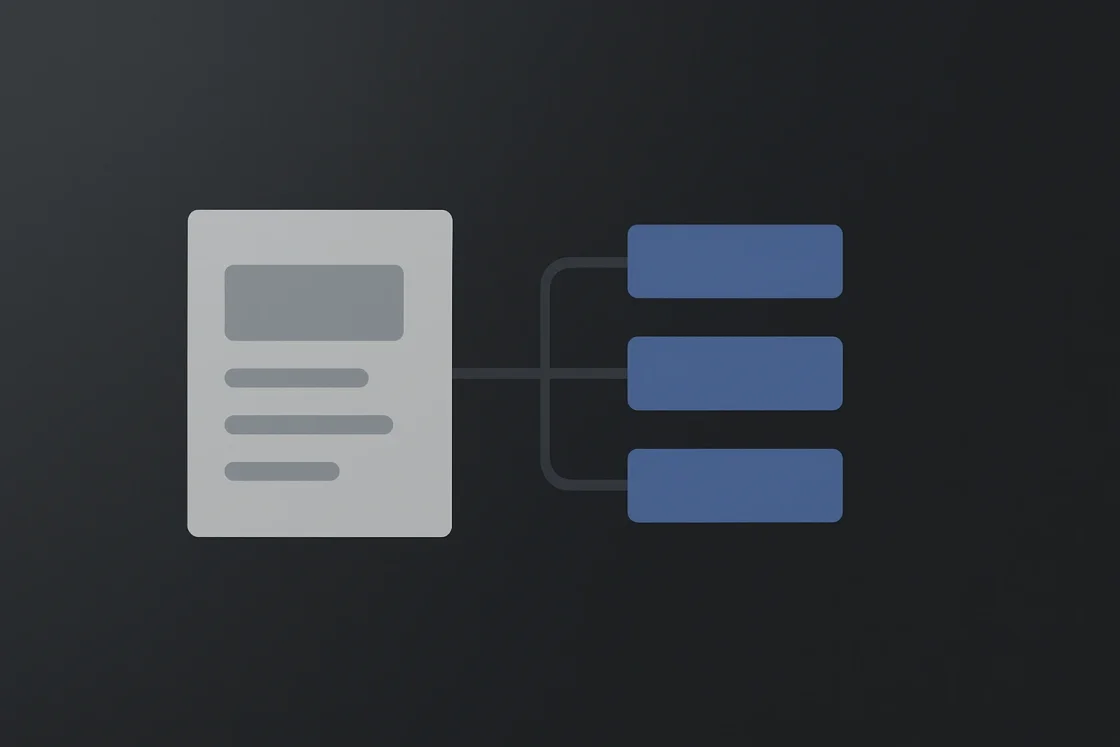



Retargeting works best when the data behind it is clean, segmented, and tied to clear intent signals. For WordPress sites, that means building a retargeting data strategy that tracks what users do, groups them by behavior, and serves the right message at the right time—rather than showing the same ad to everyone who visited once.
For agencies and site owners in the USA, UK, and Canada, this is where wordpress retargeting becomes a competitive advantage: you can use WordPress categories, page-level behavior, cookie consent, and CRM data to build audiences that convert more efficiently. At Belov Digital Agency, this is the kind of data foundation we recommend before scaling any paid remarketing program.
Why Retargeting Data Strategy Matters More Than Ad Creative
Retargeting is simply reconnecting with people who have already interacted with your brand but did not convert, and the performance of that reconnect depends on how well you define, collect, and activate audience data.
Many campaigns fail because the audience is too broad, the time window is too long, or the messaging ignores what the user actually did. Industry guidance consistently emphasizes segmentation by behavior, frequency capping, and time-based audience windows to keep campaigns relevant and avoid wasting budget.
A strong data strategy solves four problems:
- Relevance — users see ads based on pages viewed, products considered, or actions taken.
- Timing — the highest-intent audiences can be reached quickly, often within 24 hours to 14 days of the visit.
- Efficiency — spend is focused on users with the greatest likelihood to convert.
- Control — exclusions, frequency caps, and consent rules prevent overexposure and compliance issues.
Start With the Right Data Inputs
Before launching ads, define what data you will collect and why. Retargeting platforms typically rely on pixels or tags installed on your site, then build audience segments from the resulting behavior data.
On WordPress, the most useful signals usually include:
- Page views by category or service line
- Scroll depth and time on page
- Viewed pricing or contact pages
- Cart abandonment or checkout abandonment
- Form starts, form submissions, and lead magnet downloads
- Returning visits within a specific time window
If your site is content-heavy, WordPress categories can become a powerful segmentation layer. One practical approach is to map categories into analytics and audience definitions so that visitors reading “SEO,” “eCommerce,” or “WordPress Development” content can later receive tailored retargeting messages based on intent.
For eCommerce sites, shopper activity tracking is especially important because a user who viewed a product, added it to cart, or reached checkout should enter a different audience than someone who only browsed the homepage.
Build Segments Around Intent, Not Just Traffic
The most effective retargeting programs organize users by what they did, not just by whether they visited. Retargeting experts repeatedly recommend segmenting audiences by action, time frame, and funnel stage.
High-intent segments
- Visited pricing or checkout pages
- Started a contact form but did not submit
- Added items to cart but did not purchase
- Viewed a key service page multiple times
Mid-intent segments
- Read several blog posts in one category
- Returned to the site within 7 to 30 days
- Downloaded a lead magnet
- Watched a product or service explainer
Low-intent segments
- Single-session visitors
- Homepage-only visitors
- Blog readers with no deeper engagement
For WordPress sites, category-based audiences are especially useful because they let you retarget by topic cluster instead of just generic visits. That gives you a cleaner way to match the message to the user’s apparent interest.
Use Time Windows to Match Message to Intent
Time is one of the most overlooked parts of a retargeting data strategy. Several sources recommend different windows depending on how hot the audience is: cart abandoners may warrant a 7–14 day window, while broader site visitors can be tracked for up to 30 days or longer depending on your sales cycle.
A practical structure is:
- Days 1–3: Show the exact page, product, or service they viewed, with a helpful message and no aggressive discount.
- Days 4–7: Introduce social proof, testimonials, comparison points, or educational content.
- Days 8–14: Add stronger offers, proof of urgency, or alternative conversion paths.
- Days 15–30: Reduce frequency and shift to softer reminders, related content, or value-based messaging.
This kind of sequencing aligns with guidance that emphasizes evolving creative over time and keeping the first week focused on the highest level of interest.
How to Implement Retargeting on WordPress
The technical setup usually starts with a tracking pixel or tag, then extends into audience creation and campaign configuration.
Option 1: Use Google Ads remarketing
Google Ads retargeting generally begins by placing the Google Ads tag or a tag via Google Tag Manager, then building audiences in Audience Manager.
For WordPress teams, Google Tag Manager is often the most flexible approach because it lets you trigger tags based on page templates, categories, or form events without editing theme files repeatedly. If you want a more robust implementation, the Google Tag Manager ecosystem can be paired with site-level data from WordPress and GA4.
Option 2: Use Meta retargeting
Meta retargeting usually depends on the Meta Pixel and event tracking, then audience creation in Ads Manager.
This is useful for businesses that rely heavily on social proof, visual creative, or lower-friction lead generation. Meta’s audience model can work well for service businesses, local companies, and eCommerce brands when the pixel is installed correctly and events are mapped cleanly.
Option 3: Use third-party platforms
Platforms like AdRoll and StackAdapt are frequently used in retargeting strategy discussions because they support cross-channel remarketing, audience controls, and sequenced messaging.
If you want to explore a managed WordPress hosting environment that simplifies performance and technical stability while supporting analytics-heavy setups, our partner link for Kinsta is a good place to start.
What to Track in Your Retargeting Data Model
A retargeting data strategy is only useful if the measurement layer is clear. Sources consistently recommend defining goals, choosing KPIs, collecting data, comparing performance, and then making optimization decisions.
Track these core metrics:
- CTR — whether the audience and creative are relevant
- Conversion rate — whether clicks translate into action
- CPC — whether traffic is cost-effective
- Cost per conversion — whether the campaign is profitable
- ROAS — especially for eCommerce and direct-response campaigns
- Frequency — whether users are being overexposed
For WordPress retargeting, you should also measure on-site behavior after the ad click, such as time on page, form completion rate, and repeat visits. That is especially important if your funnel includes educational content before conversion.
Consent, Privacy, and Audience Hygiene
Retargeting data strategy should always include privacy controls. Search Engine Land’s retargeting guidance explicitly recommends using clear consent checkboxes, explaining how data will be used, tagging only consenting users, and providing an obvious opt-out or preference link in every email.
That matters for WordPress because many sites collect cookies, form data, and email activity through multiple plugins. A good setup should:
- Respect cookie consent before firing marketing tags where required
- Exclude converted users from prospecting retargeting lists
- Exclude recent purchasers from aggressive sales ads
- Use frequency caps to prevent fatigue
- Maintain separate audiences for newsletter subscribers, customers, and anonymous visitors
Audience hygiene is not just a compliance issue. It also improves ROI by ensuring ads are delivered to people who still need persuasion rather than people who already converted.
WordPress Retargeting With Categories, Tags, and Dynamic Segments
One of the biggest advantages of WordPress is taxonomy. Categories and tags can be used to create behaviorally meaningful audience buckets when connected to analytics or tag management.
For example:
- Readers of “WordPress SEO” content can later see service ads about technical SEO audits.
- Visitors to “WooCommerce” content can be shown commerce optimization or cart recovery campaigns.
- Users reading “performance” articles can be retargeted with hosting or speed optimization offers.
That kind of segmentation is stronger than a generic “all visitors” list because it aligns the ad message with the topic the user already engaged with. This is the core of effective wordpress retargeting: use content structure as a signal of intent.
For marketers looking to deepen audience logic, GA4 audiences can be combined with custom dimensions, content groupings, and engagement thresholds to create more precise retargeting pools.
Real-World Examples of Retargeting Data Strategy
Consider a WordPress agency in the UK running ads for service pages, blog content, and lead magnets. Rather than retarget every site visitor the same way, the agency can create separate audiences for pricing-page visitors, case-study readers, and contact-form abandoners. Pricing-page visitors receive proof-heavy ads, while case-study readers see educational messaging that nudges them back into the funnel.
That aligns with broader retargeting guidance that recommends shaping messaging by segment and intent instead of using a single campaign for everyone.
Now consider a Canadian WooCommerce retailer. A shopper who viewed product pages but did not add to cart can receive reminder ads showing the exact product. A cart abandoner can see a more urgent sequence with trust signals, reviews, and limited-time incentives. This is consistent with guidance from eCommerce retargeting resources that recommend shorter windows and stronger urgency for hot audiences.
A third example is a US SaaS company using WordPress for content marketing. Visitors who read multiple articles in the same topic cluster can be moved into a retargeting audience built from WordPress category data, then shown a demo offer or comparison page instead of a generic brand ad.
Tools That Help You Execute the Strategy
You do not need a huge stack to make retargeting data strategy work, but you do need the right combination of analytics, tagging, and campaign tools.
- Google Analytics for engagement and conversion tracking
- Google Tag Manager for flexible tag deployment
- Google Ads for remarketing and RLSA-style campaigns
- Meta Pixel for social retargeting audiences
- AdRoll for cross-channel retargeting workflows
- Kinsta for performance-focused hosting when site speed and stability matter
- OptinMonster for on-site personalization and behavioral messaging
WordPress plugin ecosystems can also help, especially if you need to collect shopper behavior, integrate events, or trigger specific display rules. Several WordPress-focused guides recommend using plugins or tag managers to connect site behavior to retargeting platforms more efficiently.
Common Mistakes That Hurt Retargeting Performance
Even with good tools, retargeting programs can underperform if the data logic is weak. The most common mistakes are well documented across retargeting guides and platform tutorials.
- Using one audience for everyone instead of separating by behavior and funnel stage.
- Ignoring time windows and serving the same message for too long.
- Not excluding converted users, which wastes budget and annoys customers.
- Skipping frequency caps, which leads to ad fatigue.
- Relying on vanity metrics without measuring cost per conversion or ROAS.
- Failing to test creatives, which prevents you from learning what each segment responds to.
Another common problem is poor setup in WordPress itself—broken pixels, duplicate scripts, or tag conflicts caused by overlapping plugins. When that happens, the audience data becomes unreliable, and campaign optimization gets harder.
How Belov Digital Approaches Retargeting Data Strategy
At Contact Us, our team usually starts with a measurement audit before we touch media buying. That includes checking tracking integrity, defining audience rules, mapping content categories, and identifying the highest-value user journeys.
From there, we build a retargeting framework that connects WordPress behavior to paid channels in a way that is practical, scalable, and compliant. For many brands, that means separating informational traffic from purchase-intent traffic, then using different creative sequences for each group.
We also recommend aligning retargeting with your content architecture. If your WordPress site already has strong category structure, you can turn that into a data asset instead of treating it as just a navigation system.
Actionable Framework for a Better Retargeting Data Strategy
If you want to improve your next campaign, use this framework:
- Define the conversion goal for each segment.
- Identify the exact behaviors that signal intent.
- Install and validate your tags and pixels.
- Build audiences by page type, category, and recency.
- Create different ad sequences for hot, warm, and cold visitors.
- Set frequency caps and exclusion lists.
- Track CTR, conversion rate, cost per conversion, and ROAS.
- Review performance weekly and refine your segments.
This process follows the same logic recommended across retargeting strategy guides: determine goals first, then segment, then build follow-up messaging, and finally optimize based on measurable outcomes.
Why This Matters for WordPress Sites Specifically
WordPress sites often have more content, more plugins, and more user paths than other platforms, which makes retargeting more powerful but also more dependent on disciplined data architecture. When the setup is done well, WordPress retargeting can reflect exact user intent across blogs, service pages, product pages, and landing pages.
That flexibility is why WordPress works so well for content-led remarketing and behavior-driven ads. It lets you turn editorial structure into audience structure, which is one of the most effective ways to improve ad relevance without increasing spend.
If you are planning a new funnel or trying to fix an existing one, it is worth tightening the tracking layer before increasing budget. Better data almost always produces better retargeting outcomes than simply buying more impressions.
For teams ready to improve site performance, analytics, and audience segmentation together, Belov Digital Agency can help shape the strategy, implementation, and optimization process. If you want to discuss your specific setup, start with Contact Us and we can map the right retargeting approach for your WordPress site.