

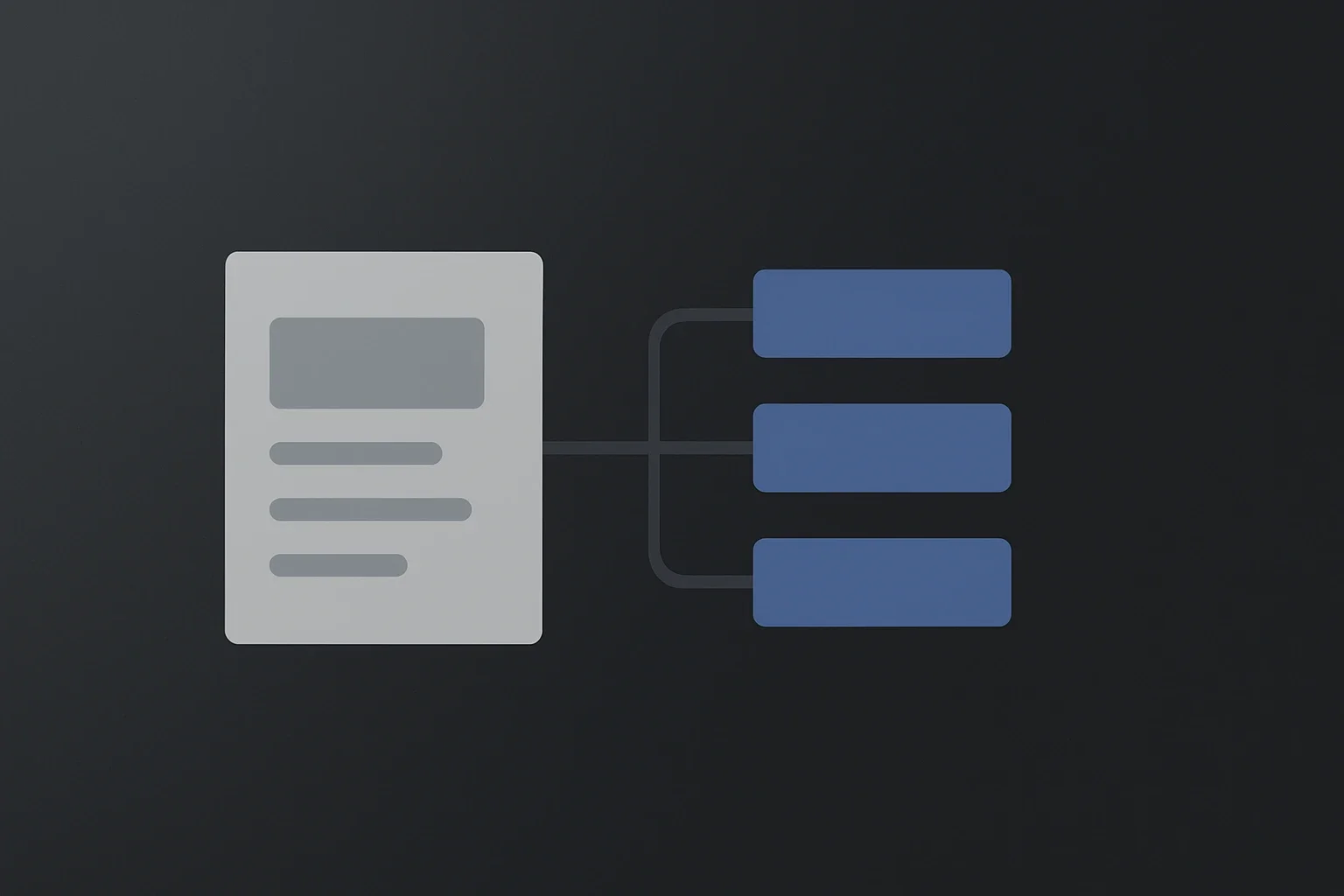
Personalized content blocks are one of the most effective ways to make a WordPress website feel smarter, more relevant, and more conversion-focused. When used well, dynamic content WordPress setups can show different messages, offers, layouts, or calls to action based on visitor behavior, location, device, login state, or page context, creating a more tailored experience without rebuilding every page manually.
For a WordPress development agency like Belov Digital Agency, this is not just a design trend. It is a practical system for improving engagement, reducing friction, and helping editors manage content at scale across marketing sites, service pages, membership portals, and eCommerce experiences.
Why tailored blocks outperform one-size-fits-all pages
Static pages treat every visitor the same, but dynamic experiences adapt content to conditions such as user profile, browsing history, location, and time. That flexibility makes the page feel more relevant because the visitor sees content that better matches intent.
In WordPress, dynamic content can pull data from the database, including core post data, custom fields, and other structured values. Themeisle explains that WordPress dynamic content can include database-driven information such as publish dates or custom fields created with tools like Advanced Custom Fields, while Crocoblock notes that dynamic content can vary based on user preferences, interactions, and other conditions.
The practical result is simple: fewer generic pages, more contextual relevance. A homepage can show one offer to a first-time visitor and another to a returning lead. A service page can display region-specific proof. A product page can emphasize stock, pricing, or urgency differently depending on the audience.
What personalized content blocks actually do
Personalized blocks are reusable pieces of content that change according to rules you define. Those rules can be as simple as “show this block only to logged-in users” or as advanced as “show this message when a user is viewing from a specific country and has already visited the pricing page.”
Because WordPress is built around content types, templates, and a flexible editor, it is well suited for this kind of conditional display. Dynamic widget plugins, content block plugins, custom fields, and block visibility tools all support this workflow in different ways.
When dynamic blocks make the biggest impact
Not every website needs heavy personalization. The best use cases are the ones where relevance improves decision-making, reduces scroll fatigue, or moves visitors toward a clear next step.
- Lead generation pages that show different offers for cold, warm, and returning traffic.
- Service pages that adapt messaging by industry, region, or audience segment.
- eCommerce stores that surface recommendations, urgency cues, or category-specific content.
- Membership sites that reveal premium modules only to authenticated users.
- Editorial sites that highlight related articles, author bios, or topic clusters dynamically.
- Landing pages that swap headlines, testimonials, and CTAs based on campaign source.
For example, an agency landing page could show “Book a discovery call” to new visitors, while returning visitors who already viewed the pricing page see “Request a proposal.” That kind of conditional experience is exactly what website personalization is designed to support.
How WordPress handles dynamic content under the hood
WordPress stores content in a structured database, which makes it possible to pull fields, post metadata, and taxonomy data into blocks and templates. Themeisle describes dynamic content as content inserted from the site’s database, including post data and custom fields, while ACF highlights that dynamic systems can be implemented through custom code, visual field management, or plugins depending on the complexity required.
This is why block-based design and synced patterns matter. Reusable blocks let editors update one content component across multiple pages, while dynamic rules control when and where that component appears.
In practice, this means an editor can maintain a single testimonial block, a single callout block, or a single pricing notice, then let WordPress adapt it across pages instead of duplicating content everywhere.
Three practical ways to build personalized blocks in WordPress
There is no single “right” method. The best option depends on the scale of personalization, your editorial workflow, and how much flexibility your team needs.
1. Use a block visibility plugin
Visibility plugins are often the fastest route for marketers and editors. They let you show or hide a block based on conditions like user role, page type, or custom field values. A YouTube walkthrough in the search results demonstrates conditional display using Advanced Custom Fields and visibility rules to switch between “sold” and “available” content blocks.
This approach works well when you need practical personalization without custom development. It is especially useful for landing pages, membership content, and promotional banners that should change based on known conditions.
2. Build with custom fields and dynamic tags
Advanced Custom Fields is one of the most common tools for structured, reusable dynamic content. ACF’s own guide describes creating custom post types, adding field groups, and using those fields to display content dynamically through templates.
Themeisle also notes that some builders allow you to insert dynamic values directly by selecting dynamic content options or typing a special symbol to access available fields.
This method is ideal when your content needs a structured backend, such as:
- team member bios
- location pages
- property listings
- case study templates
- service comparison sections
3. Use custom code for advanced personalization
For larger or more specialized implementations, custom code gives the most control. A Medium example in the search results shows a role-based PHP conditional that displays exclusive content to subscribers and teaser content to everyone else.
This method is best when you need tightly controlled logic, advanced database queries, or unique editorial rules that plugins cannot handle cleanly. It also aligns well with enterprise builds where performance, maintainability, and long-term scalability are priorities.
How to plan a personalization strategy that does not become messy
The biggest mistake teams make is adding personalization before defining the user journey. The content blocks should support a strategy, not replace one.
- Identify the page types that need the most relevance.
- Define the visitor segments you actually care about.
- Choose the block types that change meaningfully by segment.
- Map each segment to a condition or rule.
- Measure whether the personalized version improves engagement or conversions.
If you cannot explain why a block should be dynamic, it probably should stay static. Personalization works best when it reduces decision friction or increases relevance in a measurable way.
Real-world use cases that fit agency and business websites
At Contact Us, teams often ask how dynamic content can support growth without making the site harder to manage. The answer is to use personalized blocks where the audience needs the most guidance.
Local service businesses
A regional business can show city-specific testimonials, location-based office hours, or nearby service areas. Geolocation-based personalization is a recognized use case in WordPress personalization guides, especially for visitors in different countries or cities.
B2B agencies
An agency website can adapt proof points by industry, such as healthcare, SaaS, legal, or manufacturing. A visitor from SaaS may see product marketing examples, while a visitor from professional services sees lead generation or authority-building examples.
Online stores
Stores can show product recommendations, shipping notices, inventory-related messages, or category-specific promos. WP Rocket notes that dynamic content can include changing images, calls to action, and content based on behavior, while still requiring careful performance planning.
Membership and course sites
Membership sites benefit from role-based blocks, gated previews, progression reminders, and logged-in dashboards. Croct’s WordPress plugin documentation includes personalized post content and conditional shortcodes designed for this kind of contextual display.
Performance matters as much as creativity
Dynamic content can improve user experience, but it can also slow down a site if it is implemented carelessly. ACF’s article stresses that performance optimization is crucial and recommends using caching, image optimization, and pagination where appropriate.
That means personalization should be targeted, not sprawling. Keep dynamic sections focused, limit the number of rules per page, and avoid turning every block into a conditional maze.
- cache static layout elements while leaving targeted sections dynamic
- compress and properly size images used in personalized modules
- load fewer dynamic items per view and paginate larger lists
- use lazy loading for images and content below the fold
- avoid multiple competing personalization plugins on the same template
If you are choosing hosting for a content-heavy site, managed WordPress providers such as Kinsta are often considered because performance, caching, and scalability become more important as personalization expands. You can also explore our affiliate resource page at Kinsta for a WordPress-focused option we work with closely.
Design principles for blocks that feel personalized, not gimmicky
Strong personalization should feel useful, not intrusive. The content must still look like part of the same website, even if different users see different versions of it.
- Keep the design consistent so dynamic sections do not feel disconnected from the page.
- Use one primary message per block instead of stacking multiple offers.
- Make the value obvious within the first line or two.
- Match the block to intent instead of trying to personalize everything.
- Test on mobile because conditional layouts can break faster on smaller screens.
Block-based design in WordPress works especially well here because reusable units are easier to style, update, and test across templates.
Example framework for a personalized homepage
Here is a simple but effective homepage structure for a service business using dynamic content WordPress techniques:
- Hero section with a generic value proposition for all users.
- Dynamic subheading that changes for first-time versus returning visitors.
- Proof section with testimonials based on industry or region.
- Service cards that change order based on referral source.
- CTA block that adapts to the visitor’s stage in the funnel.
This type of structure is manageable because only a few sections are dynamic, but those sections carry most of the relevance. That balance is what makes personalization sustainable.
Case-style examples that show the difference
Example 1: SaaS homepage
A SaaS company adds a block that shows “Start your free trial” for new traffic and “Book a demo” for visitors who have already viewed the pricing page. The result is a more relevant conversion path because the CTA reflects intent rather than forcing every visitor into the same funnel.
Example 2: multi-location agency
A WordPress agency creates location-aware service blocks for the USA, UK, and Canada. Visitors from each region see local time references, currency cues, and nearby case studies. This reduces friction and makes the business feel more locally relevant without creating a separate website for each market.
Example 3: editorial site
A content publisher uses dynamic blocks to surface related articles based on topic tags and author expertise. Because the recommendations change based on the article category, readers discover more relevant content and spend more time on the site.
Tools worth knowing in the WordPress ecosystem
Several tools and approaches appear repeatedly in the research because they solve different pieces of the personalization puzzle.
- Advanced Custom Fields for structured fields and template-driven dynamic output.
- Content Blocks for widget-style reusable content blocks.
- Dynamic Widget Content for content that changes inside widget areas.
- Crocoblock for dynamic content workflows in block and builder-based environments.
- Croct for content personalization features and conditional shortcodes.
- WPBeginner for broad WordPress learning resources and tutorials.
- WP Engine for managed WordPress hosting and personalization-related guidance.
- WP Rocket for performance optimization alongside dynamic page elements.
When you combine a good content model with the right hosting and performance layer, personalized blocks become easier to scale responsibly.
How Belov Digital approaches personalization projects
In a professional build, personalized content blocks should be designed around business goals first, then translated into a clean WordPress architecture. That usually means fewer, higher-impact dynamic sections; clear rules; and editor-friendly templates that do not require constant developer intervention.
At Belov Digital Agency, that often translates into a mix of custom block development, structured fields, and performance-conscious implementation so the site remains fast, scalable, and easy to manage. If you are planning a dynamic content WordPress project, the best starting point is a focused content audit followed by a rule map for the pages that matter most.
For teams that want to extend their personalization strategy, it is also smart to align blocks with broader website architecture, including page templates, reusable content systems, and conversion tracking. That makes future updates much easier and keeps the design language consistent across the site.
What to avoid when building personalized blocks
Personalization can fail when it becomes too complicated or too aggressive. The goal is to improve relevance, not to create a fragmented experience.
- Do not create different blocks for every tiny audience split.
- Do not hide important information behind complex rules.
- Do not mix too many plugins that overlap in function.
- Do not personalize content without a measurable purpose.
- Do not forget accessibility, especially when content changes by condition.
The most effective dynamic blocks are the ones that are easy to understand, easy to maintain, and clearly tied to user intent.
Final thoughts for teams planning a smarter WordPress site
Personalized content blocks give WordPress websites the ability to respond to different audiences with the right message at the right time. Whether you use custom fields, conditional plugins, block visibility rules, or custom code, the core principle stays the same: show people content that matches what they need next.
If you want to build or refine a dynamic content WordPress system that is fast, scalable, and easy for your team to manage, Contact Us and let’s discuss the best approach for your site. We can help you plan the structure, choose the right tooling, and turn personalized blocks into a practical growth asset rather than just another feature.