


The Evolution of WordPress Editing Interfaces
The WordPress ecosystem stands at an editorial crossroads in 2026, with website owners and developers weighing the merits of the Gutenberg WordPress block editor against the venerable WP Classic Editor. Each offers distinct workflows and capabilities, catering to different user needs and project types. As a senior lead copywriter at Belov Digital Agency, specializing in WordPress development for audiences across the USA, UK, and Canada, this post dives deep into the critical factors influencing which WordPress editor to use in 2026.
Understanding the Core Differences
User Interface and Experience
The Classic Editor presents a simple, text-based editing area resembling traditional word processors, relying on a single rich-text field with basic formatting toolbar options like bold, italics, and bullet points. This minimalistic design emphasizes ease of use, especially for those accustomed to legacy WordPress workflows or basic blog content creation.
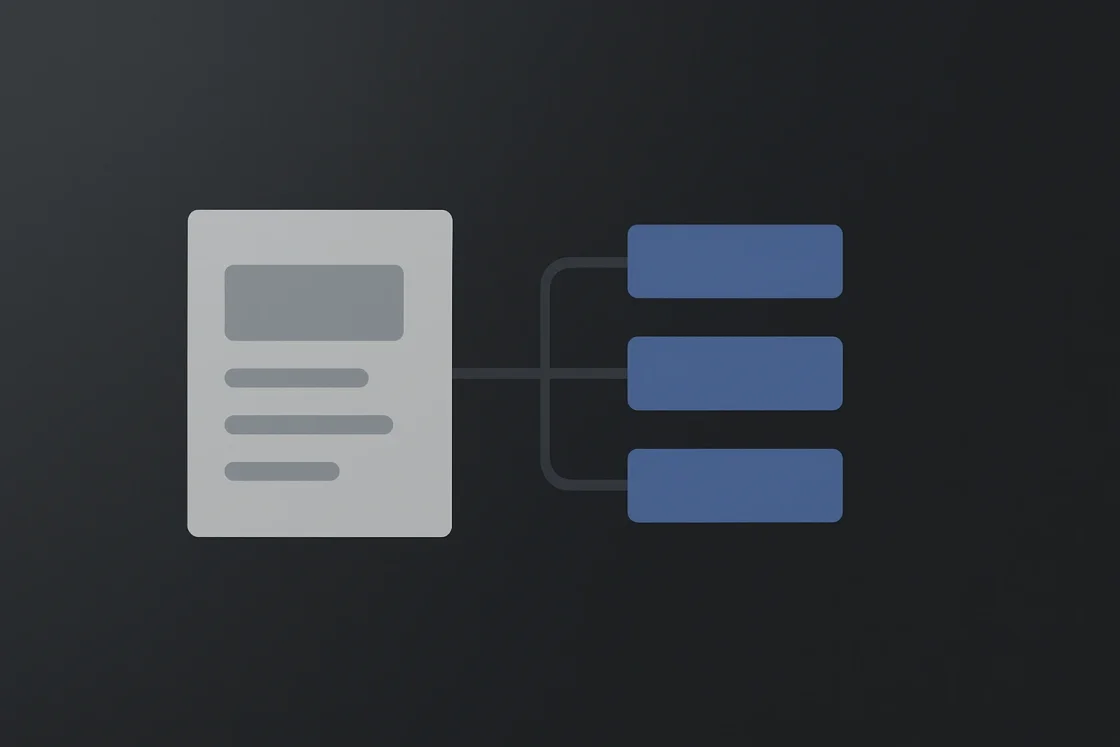
In contrast, the Gutenberg block editor offers a visually immersive, modular approach. Content pieces such as paragraphs, images, galleries, buttons, and widgets are individual “blocks,” each editable with its own settings, allowing rich layouts and dynamic page building directly within the editor interface. This WYSIWYG (What You See Is What You Get) environment enhances design precision but introduces a steeper learning curve for beginners.
Customization and Design Flexibility
Gutenberg shines with its advanced customization capabilities. It supports hundreds of core and third-party blocks, allowing users to create complex, visually compelling pages without requiring additional page-builder plugins. Its full site editing (FSE) feature enables users to customize not just posts but entire website templates and themes from the WordPress dashboard.
The Classic Editor, on the other hand, offers limited native customization—text and media insertion are straightforward but lack drag-and-drop or block-level design options. For sophisticated layouts or interactive content, users must rely on third-party page builders or custom code, which can complicate site maintenance.
Performance and Compatibility
The Classic Editor is lightweight and loads quickly even on lower-powered servers or older devices, favoring users with limited hosting performance or simpler website needs. Its stable compatibility with legacy themes and plugins remains a key asset, particularly for developers maintaining older client sites.
Gutenberg, with its richer feature set and more complex interface, tends to be more resource-intensive, potentially causing slower load times if the hosting environment is inadequate. Moreover, some older plugins and themes may face compatibility challenges, necessitating modern PHP versions, updated WordPress core, and block-compatible designs to function flawlessly.
Who Should Use Gutenberg in 2026?
Gutenberg is the clear choice for users and organizations who prioritize:
- Advanced content design: Agencies and businesses crafting feature-rich, visually layered landing pages or product showcases.
- Full Site Editing: Developers and designers building custom block-based themes for comprehensive site customization without relying on external builders.
- Modern WordPress compatibility: Users who use the latest plugins and desire future-proof tools aligned with WordPress development.
- eCommerce optimization: WooCommerce users requiring responsive block layouts that adapt for mobile and desktop seamlessly.
As an example, agencies like Kinsta provide hosting optimized specifically for WordPress and Gutenberg, ensuring improved performance and block editor responsiveness. Belov Digital also partners closely with such hosting providers to ensure our clients leverage fast, reliable environments for their Gutenberg-powered sites (see our Kinsta partnership).
Who Should Stick to the Classic Editor for Now?
The Classic Editor remains practical in 2026 for these user groups:
- Bloggers and writers who prefer a distraction-free, familiar writing workflow that emphasizes speed and simplicity.
- Sites with legacy infrastructure: Older WordPress installs, themes, or plugins incompatible with Gutenberg blocks.
- Resource-constrained environments: Individuals and businesses on limited hosting plans or older PCs where performance is a bottleneck.
- Developers maintaining legacy sites where migration to blocks does not justify investment given risk of breakage or redesign costs.
Despite official WordPress support for the Classic Editor being extended through at least the end of 2026, its future beyond that point remains uncertain. Thus, long-term planning should consider eventual transition to Gutenberg or alternative editors.
Real-World Case Studies: Choosing the Right Editor
Case Study 1: A Boutique Marketing Agency
A small digital marketing agency specializing in content campaigns needs dynamic landing pages that feature multimedia, testimonials, and call-to-action blocks. They adopted Gutenberg early, leveraging its block patterns to speed up page creation without coding. Paired with a flexible, Gutenberg-compatible theme and hosting optimized by WP Engine, they reduced development time by 40%, improving client satisfaction and scaling campaigns quickly.
Case Study 2: A Personal Blogger
Mary, a seasoned blogger who updates weekly with simple text and occasional images, preferred the Classic Editor. The lean experience helps her stay focused on writing. Her hosting with Bluehost, combined with lightweight plugins, keeps her site nimble and responsive. She plans to explore Gutenberg gradually as new themes become more adaptable to blocks.
Complementing Gutenberg and Classic Editor: Hybrid Strategies
For many organizations, the choice is not an either-or scenario. Integrating the Classic Editor plugin alongside Gutenberg allows authors flexibility—content creators can use the Classic Editor for quick posts, while designers model complex pages in Gutenberg. This hybrid approach balances user comfort with technical progress, easing transition pains.
Belov Digital frequently implements training sessions to onboard teams to Gutenberg’s block system, pairing them with expert-managed hosting such as Kinsta to maximize website speed and editorial efficiency.
Expert Tips for Transitioning to Gutenberg
- Start small: Experiment with Gutenberg blocks in low-impact pages first.
- Leverage block patterns: Use reusable block groups to maintain consistency and speed content creation.
- Choose block-compatible themes: Themes like GeneratePress or Astra provide smoother Gutenberg support.
- Backup extensively: Before making major changes, back up your site with tools like UpdraftPlus.
- Provide editorial training: Educate content teams with resources such as the official WordPress Gutenberg documentation.
Explore More and Get Support
Choosing between Gutenberg and the Classic Editor is a strategic decision that impacts content workflows, site design, and future scalability. We recommend consulting with WordPress development specialists — Contact Us at Belov Digital Agency for tailored advice that suits your unique website needs.
Additionally, you can learn more about WordPress editors from resources like WP Experts, WP Mayor, and AI Bud WP.
Final Thoughts
The WordPress editing environment is evolving steadily towards a more block-centric ecosystem with the Gutenberg editor at its core. However, the Classic Editor remains a valuable, supported tool for those prioritizing simplicity, familiarity, and performance on legacy setups. Weighing the pros and cons outlined here, aligning with your website goals, hosting environment, and editorial team’s skills will guide you to the best choice for your WordPress site in 2026 and beyond.