

TL;DR — Headless WordPress for enterprise means decoupling the editorial layer (WordPress as CMS) from the presentation layer (Next.js, Astro, or custom React frontend). Stack: WordPress + WPGraphQL on managed hosting (WP Engine Atlas, Pantheon, custom), frontend on Vercel or Netlify. Benefits: dramatically better Core Web Vitals, full UI control, multi-channel content delivery (web + mobile + voice). Trade-offs: more complex deployment, marketing team loses Block Editor preview, plugin ecosystem assumes PHP frontend. Best for: performance-critical brands, multi-channel publishing, sites where engineering owns the frontend.
In the fast-paced digital landscape of today, enterprises are constantly seeking ways to deliver lightning-fast, secure, and scalable web experiences that captivate users across multiple channels. Headless WordPress for enterprise emerges as a game-changing solution, decoupling the robust content management backend of WordPress from the frontend presentation layer to unlock unprecedented flexibility and performance.
This architecture allows large organizations to leverage WordPress’s familiar interface for content creation while powering dynamic frontends with modern JavaScript frameworks. Whether you’re managing global e-commerce platforms, media hubs, or corporate intranets, headless WordPress addresses the unique demands of enterprise-scale operations. At Belov Digital Agency, we’ve helped numerous Fortune 500 clients migrate to this setup, witnessing transformative results in speed, security, and omnichannel content delivery.
Decoding the Architecture: What Makes Headless WordPress Ideal for Enterprises
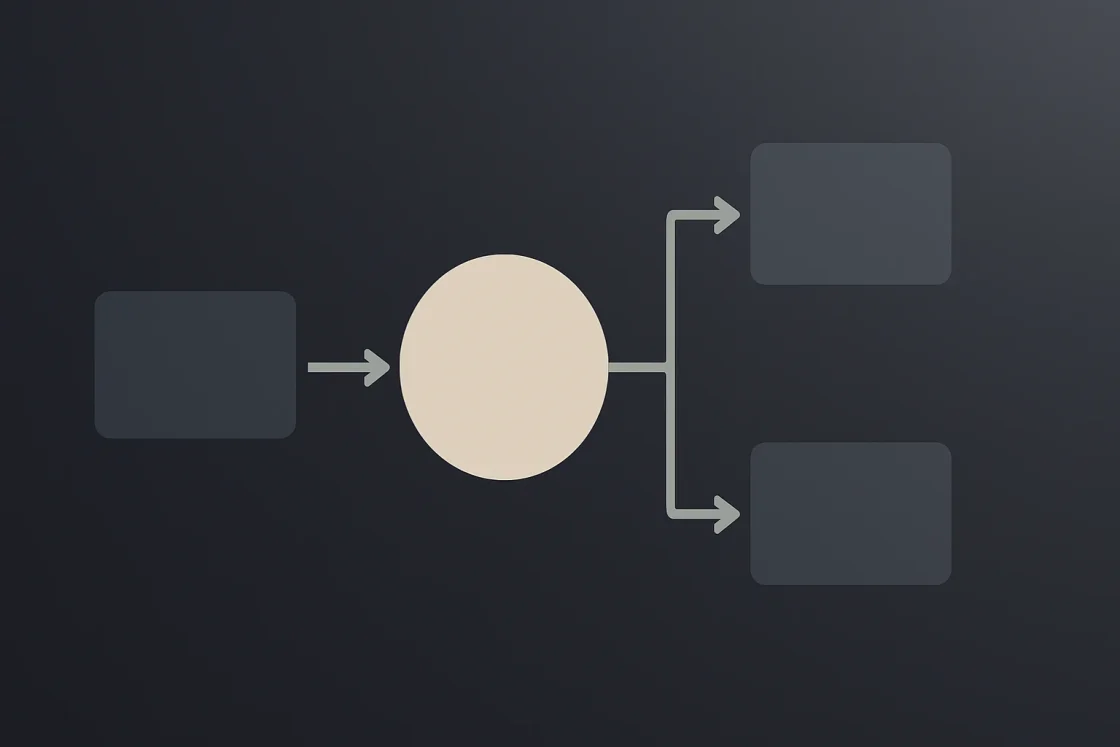
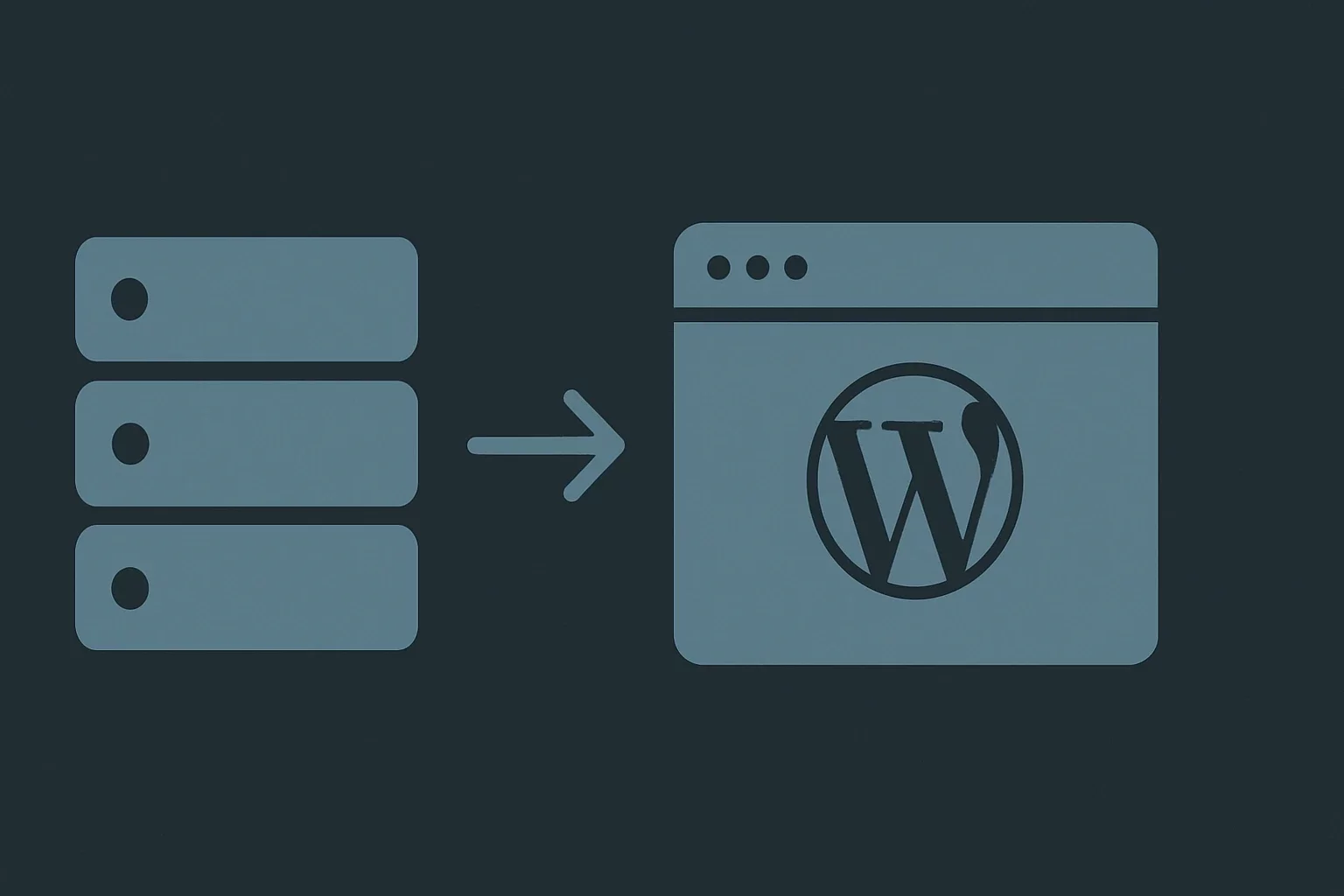
At its core, headless WordPress enterprise setups treat WordPress solely as a headless CMS, exposing content via APIs like REST or GraphQL for consumption by separate frontend applications. Unlike traditional WordPress, where the backend directly renders HTML, headless configurations let developers choose frameworks such as React, Vue.js, or Next.js for the user interface.
Traditional vs. Headless: A Side-by-Side Breakdown
Traditional WordPress bundles everything into a monolithic structure, which can lead to performance bottlenecks under heavy enterprise loads. Headless separates concerns: the “body” (WordPress backend) manages content, while the “head” (custom frontend) handles delivery. This decoupling yields superior scalability, as content can feed websites, mobile apps, IoT devices, and more from a single source.
- Performance Edge: Static site generation (SSG) or server-side rendering (SSR) in headless setups pre-renders pages, slashing load times dramatically—up to 10x improvements in Lighthouse scores, as seen in case studies from WP Engine.
- Security Boost: The frontend never exposes the WordPress core, minimizing attack surfaces and plugin vulnerabilities.
- Flexibility: Enterprises gain “nearly endless control” over development, per WP Engine insights, without theme or plugin constraints.
For hosting such architectures, Kinsta stands out with its managed WordPress hosting optimized for APIs and high traffic, paired with edge caching for global delivery.
Performance Optimization: Why Enterprises Can’t Ignore Headless Speed Gains
Enterprise websites often juggle millions of visitors, complex queries, and real-time personalization. Traditional setups strain under plugins and dynamic PHP rendering, but headless WordPress for enterprise thrives here. By integrating CDNs like Cloudflare and frameworks like Next.js, sites achieve sub-second load times even during traffic spikes.
Key Performance Enhancers in Action
- Static Site Generation (SSG): Pages build at deploy time, serving instantly via CDNs—ideal for content-heavy enterprise blogs or catalogs.
- API Efficiency: GraphQL queries fetch only needed data, reducing payload sizes by up to 80% compared to REST APIs.
- Edge Computing: Deploy frontends on serverless platforms like Vercel, where builds happen globally for minimal latency.
- Lazy Loading and Code Splitting: Modern frameworks automatically optimize assets, ensuring smooth experiences on mobile devices.
Consider Android Authority’s migration: switching to headless WordPress yielded a sixfold Lighthouse score boost and higher ad revenue, proving direct ROI for media enterprises.
SEO Mastery: Ranking Higher with Headless Precision
Search engines reward speed and mobile-friendliness, and headless WordPress enterprise excels here. Full frontend control enables custom structured data, meta tags, and canonical URLs, outperforming traditional themes. SSG ensures crawlable, fast pages, while CDNs handle global SEO signals.
- Mobile-First Designs: Tailored responsive UIs boost Core Web Vitals.
- Structured Data Implementation: Effortless JSON-LD for rich snippets.
- International SEO: Multi-language support via WordPress backend, with hreflang tags on the frontend.
Experts at Vipe Studio highlight how these features propel enterprise rankings, making headless a SEO powerhouse.
Scalability and Security: Enterprise-Grade Reliability
For enterprises, downtime costs millions. Headless architectures distribute load: WordPress handles content ops securely behind firewalls, while frontends scale independently. Reuse one backend for web, apps, and kiosks—perfect for global brands.
Real-World Scalability Wins
High-traffic publishers like those using WP Engine’s headless guide report effortless scaling. Security shines too: no direct backend exposure means fewer vulnerabilities, as noted by Wallop and Synmek.
Pair with robust hosting from Liquid Web for enterprise VPS optimized for headless backends.
Streamlining Enterprise Content Workflows
Enterprise teams demand intuitive tools. Headless keeps WordPress’s dashboard for editors, while devs innovate freely. Unified content powers omnichannel strategies: update once, deploy everywhere.
Workflow Enhancements
- Multi-Platform Distribution: Web, iOS/Android apps, smart devices.
- Flexible Roles: Non-devs edit via Gutenberg; devs build PWAs.
- Global Teams: Multilingual plugins like WPML integrate seamlessly.
At Belov Digital, we customized this for a Canadian retail giant, reducing content silos by 70%. Check our case studies for more.
Implementation Roadmap: From Traditional to Headless Enterprise
Transitioning isn’t trivial—headless demands dev expertise—but yields massive returns. Here’s a proven 7-step guide:
- Assess Needs: Audit traffic, channels, and tech stack.
- Setup Backend: Install WP, enable REST/GraphQL via WPGraphQL.
- Choose Frontend: Next.js for SSR/SSG hybrids.
- Integrate APIs: Fetch posts, users, custom fields.
- Optimize & Deploy: CDN, caching with Kinsta.
- Test SEO/Security: Validate Core Web Vitals, OWASP compliance.
- Monitor & Iterate: Tools like New Relic.
Common Pitfalls and Fixes
Avoid over-engineering: Start hybrid (WP frontend + API previews). Budget for devs skilled in JAMstack. For agencies, partner with experts like Belov Digital.
Case Studies: Enterprises Thriving with Headless WordPress
Android Authority’s shift boosted performance and revenue. A UK media firm we assisted at Belov Digital saw 40% traffic growth post-headless migration, using Next.js and Kinsta. US enterprises in finance leverage it for secure intranets, powering React dashboards from WP data.
Read our deep dive on headless performance for metrics.
Headless vs. Pure Headless CMS: Why WordPress Wins for Enterprises
Pure headless CMS like Contentful lack WP’s ecosystem. Headless WordPress retains plugins, themes for previews, and vast community—bridging legacy to modern.
| Feature | Headless WordPress | Pure Headless CMS |
|---|---|---|
| Ecosystem | 60K+ Plugins | Limited Integrations |
| Learning Curve | Familiar UI | New Dashboards |
| Cost | Low Entry | Subscription-Heavy |
| Scalability | Enterprise-Ready | API-Focused |
Future-Proofing Your Enterprise Digital Presence
As Web3, AI personalization, and metaverses rise, headless WordPress enterprise positions you ahead. It’s API-first, ready for voice search, AR apps, and beyond. Teams at Automattic endorse it for agencies scaling workflows.
Don’t let monolithic sites hold you back. Enterprises adopting headless report faster innovation cycles and happier users. Ready to transform? Contact Us at Belov Digital for a free headless audit tailored to your USA, UK, or Canada operations. Unlock the full power of WordPress—headless style—and watch your digital empire scale without limits.