

TL;DR — To build a headless WordPress site in 2026: (1) set up WordPress as a backend on managed hosting (Kinsta, WP Engine) — no public frontend needed; (2) install WPGraphQL plugin to expose content via GraphQL; (3) build a separate frontend in Next.js, Astro, or Nuxt that consumes the GraphQL/REST API; (4) deploy frontend to Vercel or Netlify; (5) set up preview mode so editors can see drafts; (6) use Incremental Static Regeneration (ISR) for performance. Best for: performance-critical marketing sites, multi-channel content delivery, sites where engineering owns the frontend. Avoid headless if your marketing team needs the Block Editor’s visual preview or you depend on PHP-frontend plugins.
In the fast-evolving landscape of web development, traditional monolithic WordPress sites are giving way to modern, decoupled architectures. Headless WordPress—while not a new concept—is rapidly becoming the go-to solution for brands and agencies seeking unparalleled flexibility, speed, and security. At Belov Digital Agency, we’ve implemented headless WordPress for startups, international enterprises, and everything in between. The results? Faster load times, easier scaling, seamless omnichannel content delivery, and happier development teams. But how do you actually build a headless WordPress site? What does decoupled WordPress really mean, and is it right for your project? Let’s dive in.
Why Go Headless with WordPress?
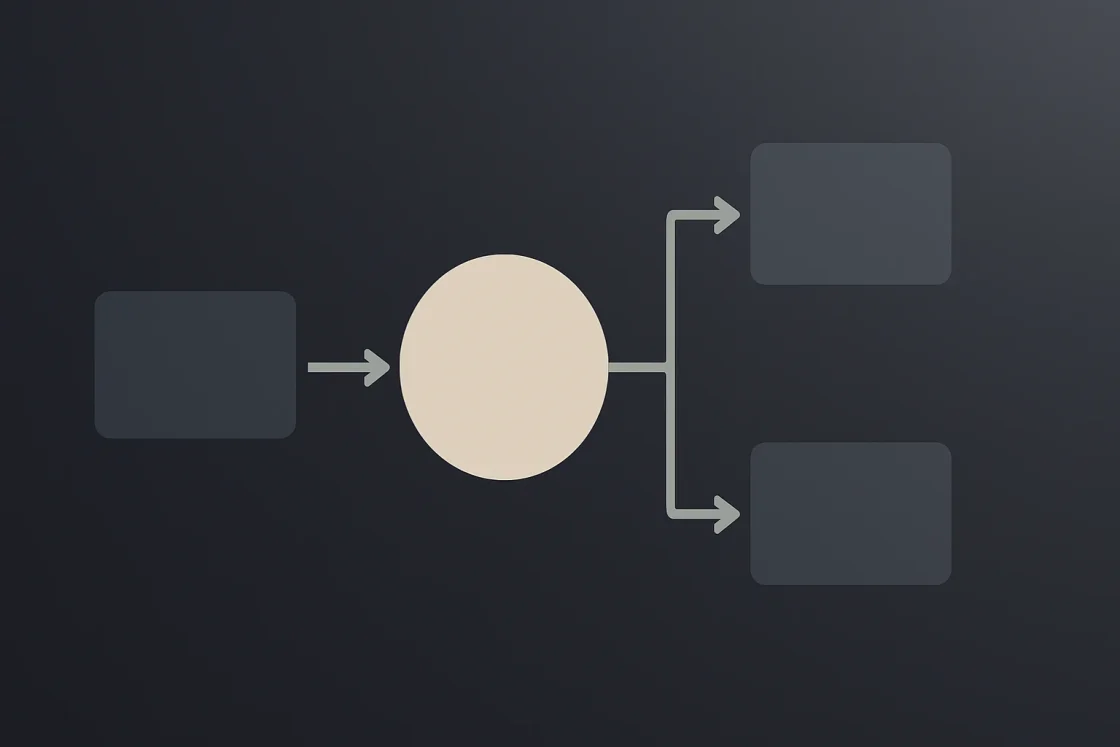
With traditional WordPress, the CMS generates HTML for your visitors. In a decoupled WordPress setup, WordPress—powered by its robust WP REST API—serves only as a content management backend. Your front end is a separate app, built with your favorite JavaScript framework (like React, Vue, Next.js) or a static site generator (like Gatsby, Astro, or Hugo). This separation means you can design any user experience you want, deploy lightning-fast static sites, and even distribute content to mobile apps, digital kiosks, or IoT devices—all from a single, familiar WordPress admin.
Clients we’ve worked with—from e-commerce platforms to global newsrooms—leverage headless WordPress for:
- Ultra-fast performance: Static or server-rendered front ends load instantly, without bloated WordPress themes or plugins.
- Omnichannel flexibility: Serve content to websites, mobile apps, and even smart devices—all managed from one place.
- Enhanced security: No exposed WordPress front end means fewer attack surfaces.
- Developer freedom: Build with modern frameworks, CI/CD pipelines, and custom workflows that fit your team’s needs.
If you’re seeing limits in your current WordPress setup—whether it’s performance, scalability, or creative freedom—it’s time to explore the headless approach. Not sure where to start? Contact us for a free consultation with our agency’s technical team.
Anatomy of a Headless WordPress Build
Understanding the architecture is crucial. Here’s how a typical decoupled WordPress site works:
Backend: Content Management
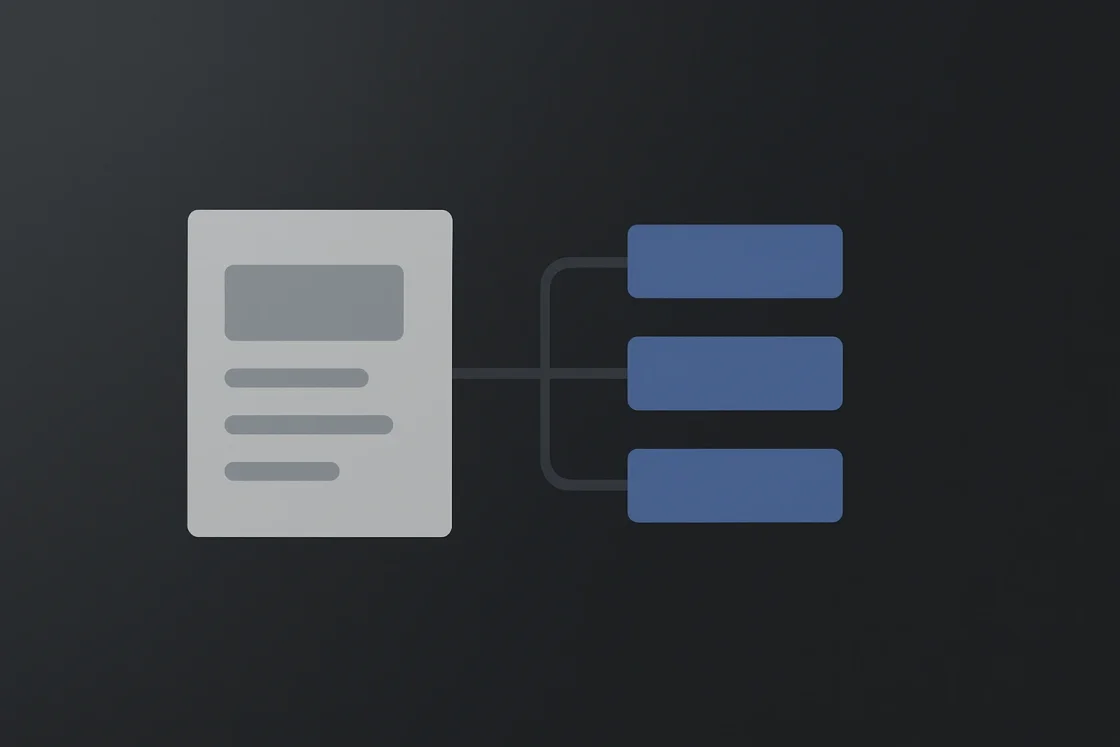
WordPress remains the content engine. Editors and marketers log in as usual, create pages, blog posts, products, or custom post types, and publish with the Gutenberg editor. Behind the scenes, content is stored in the WordPress database, now exposed via the WordPress REST API or, for more advanced querying, through WPGraphQL. This makes all your content available in structured JSON, ready for any frontend to consume (more on that soon).
To prepare your WordPress for decoupling, you might install a “blank” theme (or even disable themes entirely), ensuring no unnecessary frontend code is generated. Plugins like WP-API Basic Authentication can help secure your API endpoints.
For managed, scalable hosting, we often partner with Kinsta, whose infrastructure is tuned for WordPress and headless use cases. You can also consider WordPress VIP for enterprise-scale deployments.
Frontend: Building the Experience
Your frontend application—whether it’s a React single-page app, a Next.js server-rendered site, or a Gatsby static site—will fetch content via the WordPress API. Here’s how you can approach this:
- JavaScript Frameworks: React, Vue, and Angular are popular choices. React, for example, is widely used to build interactive, fast frontends that query the WP REST API or WPGraphQL. Companies like Airbnb, Netflix, and Reddit use React for their frontends.
- Static Site Generators: Tools like Gatsby and Astro can pull content from WordPress at build time, generating static HTML files that load instantly for visitors. This is ideal for marketing sites, blogs, and documentation.
- Hybrid Approaches: Next.js lets you mix static generation, server-side rendering, and client-side rendering for the best of all worlds.
You’re not limited to a single technology. At Belov Digital Agency, we tailor the stack to your project’s needs—whether that’s a fully custom React app, a Gatsby-powered marketing site, or a hybrid Next.js solution.
For those just starting, WordPress.com offers a managed environment ideal for testing headless setups, and their Studio tool provides a local development environment for experimentation.
Step-by-Step: How to Build a Headless WordPress Site
Let’s walk through a high-level, actionable roadmap for building your first headless WordPress project. This process assumes some technical familiarity, but if you need hands-on help, our team at Belov Digital Agency is ready to assist.
1. Set Up Your WordPress Backend
- Choose your hosting: For performance and ease, consider Kinsta, WP Engine, or WordPress.com.
- Install WordPress: Use a fresh installation, and configure your admin as usual.
- Install a blank or minimal theme: This prevents unnecessary frontend code. Some developers simply use a theme with a blank index.php.
- Enable the REST API: WordPress includes a REST API by default, but for advanced querying, install WPGraphQL.
- Secure your API: Use plugins like WP-API Basic Authentication or JWT authentication to restrict access.
2. Build Your Frontend Application
- Choose your framework: For most projects, we recommend React (React), Next.js (Next.js), or Gatsby (Gatsby). For simpler projects, Astro (Astro) is a great choice.
- Set up your development environment: Install Node.js and npm/yarn. Use a code editor like VS Code.
- Fetch content from WordPress: Use fetch() or libraries like Axios or Apollo Client (for GraphQL) to request data from the WordPress API.
- Design your UI: Your frontend now has full creative control. Use modern CSS-in-JS solutions, component libraries, or traditional CSS—your choice.
- Implement routing: For SPAs, use React Router, Next.js’s file-based routing, or Gatsby’s static routing.
- Deploy: Host your frontend on platforms like Vercel, Netlify, or a custom server. For managed WordPress, Kinsta also offers Application Hosting for Node.js apps.
3. Connect the Dots: Content Updates and Workflow
Once live, every content update in WordPress is instantly available via the API. For static sites, you may want to trigger rebuilds on content changes (using webhooks or CI/CD pipelines). For dynamic apps, you can fetch fresh content on each visit or implement incremental static regeneration.
At Belov Digital Agency, we automate deployments using GitHub Actions, monitor performance with tools like New Relic, and refine the editor experience in WordPress to ensure content teams remain productive and in control.
Real-World Examples and Case Studies
To illustrate the power of headless WordPress, let’s look at a few real-world scenarios:
Case Study: Global Media Publisher
A major news publisher needed to distribute content to their website, mobile app, and digital signage. Using WordPress as a decoupled CMS, they managed all content in one place, while separate frontends—built with React and Next.js—delivered tailored experiences for each channel. The result? Consistent branding, instant publishing, and a unified editorial workflow.
Case Study: E-commerce Brand
An online retailer outgrew their WooCommerce theme’s limitations. By moving to a headless setup, they built a custom React storefront, integrated with third-party services, and achieved sub-second load times. Orders and inventory remained in WooCommerce, while the frontend offered a brand-new, app-like shopping experience.
Case Study: Marketing Campaign Site
A tech startup launched a high-traffic campaign landing page. By using Gatsby to pull content from WordPress, they generated a static site deployed globally via a CDN. The campaign handled spikes in traffic effortlessly, with no downtime and no backend strain.
Advanced Tips for Headless WordPress Success
As you go deeper into headless WordPress development, consider these pro tips from our team:
- Custom Endpoints: Extend the WordPress REST API with custom endpoints for specialized data needs.
- Preview Functionality: Implement draft and preview workflows so editors can see changes before they go live.
- Performance Optimization: Use caching (Redis, Varnish), CDNs (Cloudflare), and image optimization (Imagify, Cloudinary) to maximize speed.
- Editor Experience: Train content teams on the headless workflow and customize the WordPress admin for efficiency.
- SEO and Metadata: Handle SEO, Open Graph, and structured data in your frontend, since WordPress themes won’t generate this for you.
For complex projects, partnering with an experienced agency like Belov Digital Agency can save months of trial and error.
Tools, Plugins, and Resources
Building a headless WordPress site is easier with the right tools. Here’s a curated list of resources we use and recommend:
- WPGraphQL: Exposes WordPress data as a GraphQL API.
- WP-API Basic Authentication: Secures your API endpoints.
- React, Next.js, Gatsby, Astro: Leading frontend frameworks.
- Kinsta: Managed WordPress and application hosting.
- WordPress VIP: Enterprise-grade hosting and support.
- Vercel, Netlify: Frontend hosting and CI/CD.
- VS Code: Free, powerful code editor.
For more tutorials, check out Hostinger’s headless WordPress guide or Delicious Brains’ step-by-step walkthrough.
Challenges and Considerations
While headless WordPress offers immense advantages, it’s not without challenges:
- Learning Curve: Developers must be comfortable with both WordPress and modern JavaScript frameworks.
- Plugin Compatibility: Many WordPress plugins assume a traditional frontend. Some features may need custom solutions.
- Editorial Experience: Content previews and live editing require extra setup.
- Team Structure: You’ll need both backend (WordPress) and frontend (JavaScript) expertise.
- Cost: Custom builds can require more investment up front.
For many organizations, the long-term benefits—speed, flexibility, future-proofing—far outweigh these hurdles. If you’d like to discuss your specific needs, reach out to our team for a tailored assessment.
Is Headless WordPress Right for You?
Decoupled WordPress is ideal for:
- Brands needing omnichannel content delivery
- Developers wanting to use modern JavaScript frameworks
- Teams prioritizing performance, security, and scalability
- Projects with complex frontend requirements
On the other hand, if your site is simple, your team is comfortable with traditional WordPress themes, and you rely heavily on plugins that require a WordPress frontend, a headless approach may be overkill.
Curious about your options? Belov Digital Agency offers free technical consultations to help you decide.
Final Thoughts: The Future of WordPress Is Decoupled
The headless WordPress movement is more than a trend—it’s a fundamental shift in how organizations build digital experiences. By harnessing the WP REST API, you unlock the full potential of WordPress as a content hub, while your frontend can be anything: a blazing-fast static site, a dynamic web app, or even a mobile interface.
From global publishers to agile startups, businesses that embrace decoupled WordPress gain a competitive edge in performance, flexibility, and future readiness. The journey does require investment—in technology, training, and expertise—but the payoff in speed, security, and creative freedom is undeniable.
Ready to explore headless WordPress for your brand? Whether you’re early in your evaluation or ready to build, contact the Belov Digital Agency team for expert guidance and execution. Let’s build something remarkable together—today and for the future.