

Building a Scalable Engine for WordPress Marketing Automation
In the modern digital landscape, marketing automation architecture is not merely a convenience; it is the backbone of customer retention and revenue growth. When implemented specifically within the WordPress marketing automation ecosystem, this architecture transforms a static website into a dynamic, behavior-driven engine that attracts, nurtures, and converts visitors into loyal customers automatically. Unlike generic tools that rely on broad assumptions, a well-architected WordPress system leverages specific user actions—such as form submissions, page views, cart additions, and order completions—to trigger precise, personalized responses that feel human rather than robotic.
The goal of this guide is to walk you through the essential components of a robust marketing automation architecture, showing you how to select the right tools, design effective workflows, and measure real revenue impact. We will explore how to integrate WordPress with CRMs like ActiveCampaign or HubSpot, utilize plugins like WP Fusion for seamless data synchronization, and build visual funnels that keep your stack lean and deeply integrated. By focusing on behavior-driven triggers and aggressive segmentation from day one, you can create a system that protects revenue first before expanding into complex AI-driven personalization.
Remember that the most successful WordPress marketing automation strategies are not about gimmicks or “growth hacks.” They are built on the fundamental principles of listening to your audience through their digital behavior and responding with value. Whether you are a small business owner looking to automate welcome emails or an enterprise developer building complex lead generation funnels, the architecture we discuss here will provide the blueprint for long-term success. Let us dive into the specifics of how to construct this engine, starting with the critical first steps of defining your triggers and segmenting your audience.
Defining the Core Triggers for Behavior-Driven Workflows
The foundation of any effective marketing automation architecture is the trigger set. In a generic system, triggers might be time-based or broad demographic categories, but in a WordPress marketing automation setup, triggers must be rooted in real user behavior on your site. This approach ensures that every email, pop-up, or notification is relevant to the specific journey the user is currently experiencing. High-performing marketers prioritize triggers such as new user registrations, specific form submissions, viewing key content pages, adding items to the cart, completing an order, and repeatedly visiting pricing pages.
Why is this distinction critical? Because behavior-driven triggers provide context. When a user views a pricing page multiple times, they are signaling high interest and potential purchase intent. An automated response to this specific action—perhaps a targeted discount offer or a consultation booking link—is far more effective than a generic newsletter. Similarly, when a user abandons a cart, the system can immediately trigger a “we missed you” email with a clear path to recover the sale, a tactic that is essential for maximizing revenue in WooCommerce environments.
To implement these triggers effectively, you need a plugin that can “listen” to WordPress events. Tools like WP Fusion act as a bridge between your WordPress site and your external marketing platform, enabling seamless data sync and user tagging based on these specific actions. Other powerful options include AutomatorPlugin, which offers depth in creating behavior-driven workflows, and FluentCRM, which allows you to build automation sequences entirely within the WordPress ecosystem for a native experience. By choosing a tool that supports conditional logic and multi-step flows, you can automate entire customer journeys, not just isolated tasks, ensuring that your architecture is scalable and responsive.
- New User Registration: Trigger a welcome sequence that introduces your brand and offers immediate value, such as a free resource or a discount code.
- Form Submissions: Link specific form types to specific segments; for example, a “newsletter signup” form tags a user as a lead, while a “contact us” form initiates a sales follow-up.
- Content Viewing: Use page views to infer interests; if a user reads multiple posts about “SEO,” tag them as interested in SEO services and send relevant content.
- Cart Activity: Trigger abandoned cart emails and post-purchase surveys to recover lost sales and gather feedback.
- Order Completion: Send thank-you emails, upsell recommendations, and invite users to join loyalty programs.
When you start with 1–2 critical automations based on these behaviors, rather than trying to build a full funnel immediately, you build a workflow that protects revenue first. This lean approach allows you to test and refine your triggers before expanding the complexity of your system. For more insights on setting up these triggers, you can explore the Complete Guide to WordPress Marketing Automation provided by AutomatorPlugin, which offers a deep dive into workflow design.
The Critical Role of Segmentation and Aggressive Tagging
Once your triggers are set, the next pillar of your architecture is segmentation. Without clear segmentation, your automation becomes a spray-and-pray tactic that annoys users and dilutes your message. The rule of thumb for WordPress marketing automation is to tag and segment aggressively from day one. This means that every interaction a user has with your site should result in a tag that helps define their profile, interests, and stage in the customer lifecycle.
Segmentation in WordPress is unique because you can leverage native user data. Plugins like the User Lists Addon allow for native WordPress customer segmentation, while the Custom User Fields Addon enables progressive profiling to gather more detailed information over time. By combining these native capabilities with your external CRM data, you create a comprehensive view of each customer. This allows you to personalize messages based on simple rules—such as “if a user is a member and has expiring soon, send a renewal reminder”—before getting fancy with AI-driven personalization.
Effective segmentation allows you to build funnels based on lifecycle stages rather than just campaigns. For instance, a user who has recently purchased a product is in a different stage than a user who is just browsing leads. By tagging users based on their actions, you can send highly relevant content: a post-purchase survey for those who bought, and a lead magnet for those who are still in the discovery phase. This approach ensures that your email cadence is reasonable and that each email has a single, clear purpose, which is a key strategy for maintaining a good sender reputation and reducing spam complaints.
Furthermore, aggressive tagging supports advanced reporting and analytics. When you can attribute revenue to specific campaigns and workflows using UTM tracking and funnel dashboards, you gain a clear understanding of what drives your business. Marketers who optimize effectively track revenue per subscriber and revenue per automation, favoring setups that can measure these metrics accurately. To see how other developers are implementing these strategies, check out the Marketing Handbook for WordPress Plugin and Theme Developers from Freemius, which offers detailed advice on content assets and customer profiling.
For those looking for a plugin that excels in tagging and segmentation, FluentCRM is a top contender, offering email campaigns and automation sequences that are deeply integrated with the WordPress ecosystem. You can learn more about their approach in The Best Marketing Automation Plugins for WordPress on their official blog. Additionally, if you are already using Mailchimp, integrating it with Mailchimp for WordPress provides an easy way to connect forms and manage lists, though for deeper automation, native WordPress solutions often yield better results.
Selecting the Right Tools for Your Architecture
Choosing the right tools is perhaps the most challenging part of building a marketing automation architecture. The WordPress ecosystem offers a wide variety of plugins, each with unique strengths. When evaluating tools, focus on features like easy integration with WordPress, user-friendly design, advanced analytics, and multi-channel automation capabilities. A plugin like WP Fusion is essential if you need to connect WordPress to dozens of CRM platforms, acting as a bridge for data sync and user tagging.
If you prefer a native experience where everything is managed within your WordPress dashboard, MailPoet is an excellent choice for newsletters and WooCommerce emails, offering a clean interface and powerful automation features. For those who need complex workflows with conditional logic, FluentCRM and AutomatorPlugin are leaders in the field, providing the depth needed to build sophisticated customer journeys. On the other hand, if you are focused on WooCommerce sales funnels, ShopMagic offers email marketing automation with analytics and list building specifically tailored for store owners.
It is also crucial to consider the hosting environment when running automation tools, as heavy database queries from automation plugins can impact site performance. Hosting providers like Kinsta are renowned for their speed and reliability, making them an ideal choice for businesses running intensive WordPress marketing automation systems. We are affiliated with Kinsta and highly recommend them for their enterprise-grade infrastructure; you can learn more about their benefits at Belov Digital’s Kinsta Partner Page.
Another powerful tool for automation is Uncanny Automator, which allows you to craft complex automations with an extensive array of connectors and triggers, making it a favorite for broad plugin connectivity. For those who prefer a visual approach to building funnels, CartFlows offers beginner-friendly sales funnel automation that integrates seamlessly with WordPress. Finally, if you are looking for a comprehensive platform that combines AI-assisted content workflows and enterprise-grade security, 40Q Agency offers a unique solution with their FAS Block System and marketing autonomy features.
When selecting your tools, remember that the best stack is lean and deeply integrated. Avoid using too many plugins that duplicate functions, as this can lead to data conflicts and performance issues. Instead, choose a core automation plugin (like WP Fusion or FluentCRM) and supplement it with specialized tools for specific needs, such as A/B testing with Nelio or heatmaps with Hotjar. By keeping your stack focused, you ensure that your automation architecture remains stable and efficient. For a detailed comparison of the best tools, refer to the 10 Best WordPress Marketing Automation Plugins in 2025 guide by WP Fusion.
Designing Visual Funnels and Lifecycle Stages
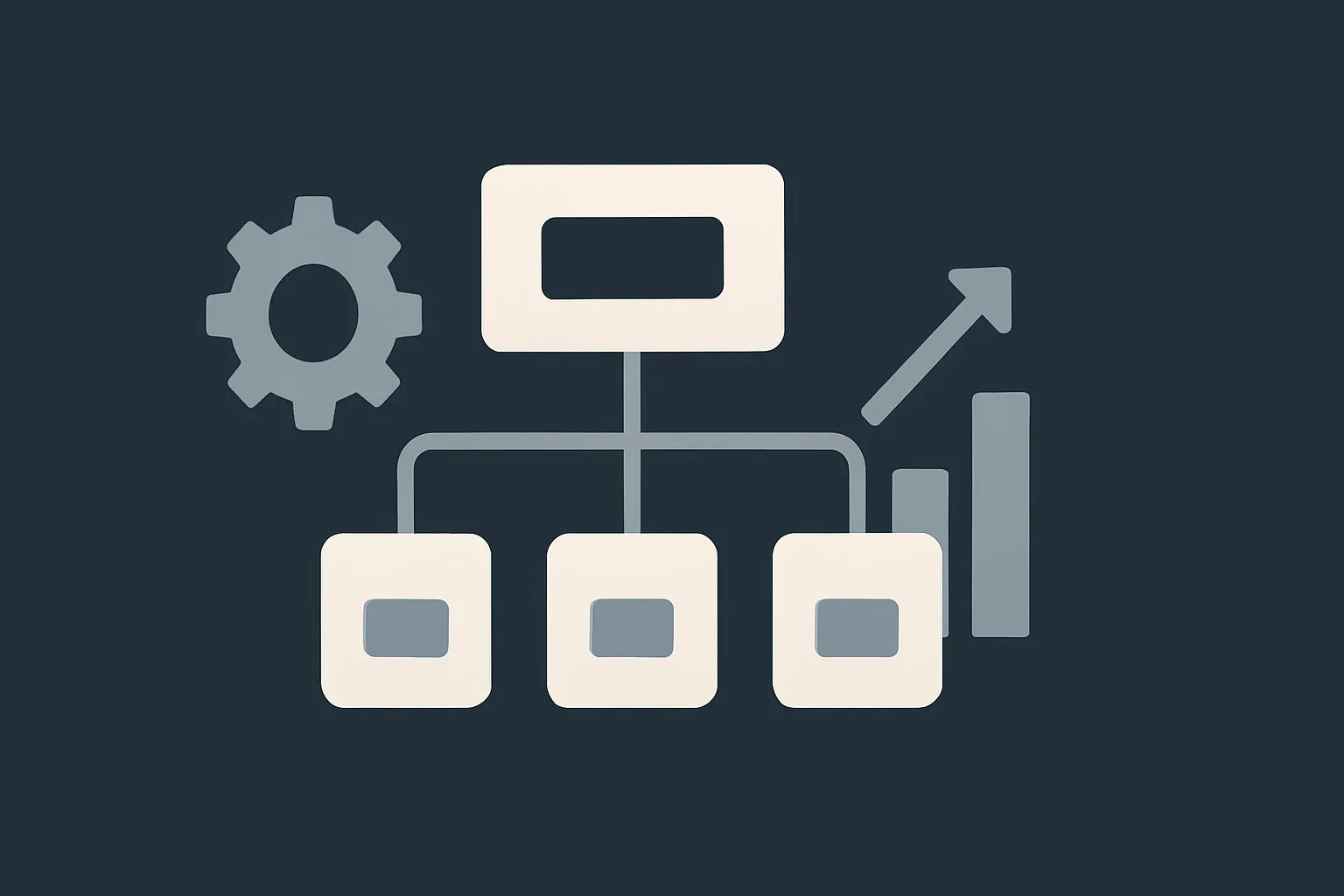
Once you have your triggers and tools in place, the next step is to design your visual funnels. The most effective marketing automation architecture is built around lifecycle stages, not just campaigns. This means mapping out the entire journey of a customer from the moment they first visit your site to the point they become a loyal advocate. By designing funnels visually, you can see where users drop off and where they succeed, allowing you to optimize the flow for maximum conversion.
In a visual funnel, each stage should have a purpose and a corresponding email. For example, the “Discovery” stage might include a welcome email and a lead magnet, the “Evaluation” stage might include product comparisons and case studies, and the “Purchase” stage might include a checkout confirmation and upsell offer. This structure ensures that every email adds value and moves the user closer to the next stage. It is important to remember that simple rule-based personalization gets you most of the win with a fraction of the complexity, so you don’t need to overcomplicate your initial funnels.
A key component of funnel design is the use of progressive profiling. Instead of asking for all your user’s information in one long form, you can gather data over time through interactions. For instance, a user might first sign up for a newsletter with just an email address, and then later, when they view a specific product page, you can ask for their company name or job title. This approach reduces friction and increases the likelihood of form completion, while also providing you with richer data for segmentation.
To visualize these funnels effectively, consider using tools like CartFlows for WooCommerce or AutomatorPlugin for general WordPress automation. These tools allow you to see the flow of your automation and make adjustments easily. For more advanced visual insights into how visitors interact with your site, tools like Hotjar and Microsoft Clarity offer heatmaps, scroll tracking, and session recordings that can help you refine your funnel design. By combining these visual tools with your automation data, you can create a highly refined and effective marketing architecture.
When building your funnels, also pay attention to the importance of a clear purpose per email. Every email should have a single, focused goal, whether it is to educate, incentivize, or convert. Avoid cluttering your emails with too many links or calls to action, as this can confuse users and reduce engagement. Instead, use a single, clear call to action that guides the user to the next step in their journey. This principle is a core part of maintaining a good user experience and protecting your sender reputation. For more tips on creating effective content for your funnels, refer to the Marketing Handbook for WordPress Plugin and Theme Developers from Freemius, which includes advice on creating Minimum Viable Content assets.
Optimizing for Revenue and Deliverability
The ultimate goal of any marketing automation architecture is to drive revenue, not just generate “vanity” metrics like open rates or click counts. Marketers who optimize effectively track revenue per subscriber, revenue per automation (e.g., abandoned cart vs. post-purchase flow), and average order value by funnel. They favor setups that can attribute revenue to specific campaigns and workflows, using UTM tracking, funnel dashboards, and order-level attribution to measure success accurately.
However, you cannot optimize for revenue if your emails are not being delivered. Deliverability is a critical component of your architecture, and it is determined by factors such as email cadence, sender reputation, and template quality. Good UX reduces spam complaints, and good deliverability protects your sender reputation. To ensure high deliverability, you must use authenticated sending domains, send from consistent “from” names, and prune inactive subscribers regularly.
One of the best ways to improve deliverability is to use a reliable SMTP plugin like WP Mail SMTP. This ensures that your messages actually reach your subscribers’ inbox rather than getting lost in the spam folder. For WordPress marketing automation, email delivery testing is essential, and many plugins offer built-in testing features to help you verify that your emails are working correctly before you send them to your audience. By testing your email delivery and design, you can ensure that your messages are optimized for conversions and that they look professional on all devices.
Another key aspect of revenue optimization is the use of abandoned cart email automation campaigns. These campaigns are specifically designed to recover lost sales by reminding users of the items they left in their cart and offering incentives to complete the purchase. For businesses using WooCommerce, tools like ShopMagic and CartFlows offer powerful abandoned cart automation features that can significantly boost your revenue. By integrating these campaigns into your visual funnels, you can create a seamless experience that guides users back to their purchase and maximizes your conversion rate.
Finally, it is essential to monitor your unsubscribes and negative feedback as your list grows. Experienced marketers treat “don’t annoy people” as a strategy, ensuring that they maintain a reasonable email cadence and provide easy unsubscribe and preference options. By respecting your users’ preferences and avoiding spam-like behavior, you can build a loyal and engaged audience that is more likely to convert and generate revenue. For more insights on optimizing your marketing strategy, check out the 18 Must-Have WordPress Marketing Automation Tools from Pressable, which covers a wide range of tools for streamlining and personalizing your strategy.
Measuring Success and Iterating Your Strategy
Building a marketing automation architecture is not a one-time task; it is a continuous process of measurement, iteration, and improvement. To measure success, you need to define your vision, goals, objectives, and KPIs. Evaluate your marketing efforts and establish a long-term approach to your marketing strategy, ensuring that you are consistently measuring data to inform your KPIs. This systematic approach allows you to prioritize your marketing objectives and invest your resources in priorities that provide a reasonable ROI.
One of the best ways to measure your success is to use a marketing prioritization matrix. This tool helps you evaluate different marketing initiatives based on their potential impact and the resources required, allowing you to make informed decisions about where to focus your efforts. By using a matrix, you can ensure that you are investing your resources in marketing priorities that will provide the best return for your business. This approach is particularly useful for WordPress marketing automation, where you may have multiple automated workflows running simultaneously and need to determine which ones are driving the most revenue.
Another critical aspect of measuring success is to track the performance of your visual funnels. By using tools like Hotjar and Microsoft Clarity, you can gain visual insights into how visitors interact with your site, including where they drop off and where they succeed. Monitoring these metrics regularly enables you to iterate your strategy and optimize for better performance over time.