

TL;DR — A search-engine-optimized website in 2026 requires six foundations: (1) clean URL structure and canonical tags, (2) fast Core Web Vitals (LCP under 2.5s, INP under 200ms, CLS under 0.1), (3) comprehensive schema markup (Organization, Article, FAQPage, Product where relevant), (4) topical content hub-and-spoke architecture, (5) strategic internal linking, (6) mobile-first responsive design. Skip aggressive backlink-building and AI-generated mass content. Belov Digital builds SEO-optimized WordPress sites with all of the above baked in.
6 foundations of a search-engine-optimized website
1. URL structure and canonicals
Clean URLs (no query parameters in primary URLs, no trailing IDs, no session tokens). Canonical tags on every page pointing to the preferred version. HTTPS enforced. WWW or non-WWW chosen and enforced via 301 redirect. sitemap.xml and robots.txt live and correct.
2. Core Web Vitals — the technical performance baseline
LCP under 2.5 seconds on mobile, INP under 200ms, CLS under 0.1. Verified in Google Search Console Core Web Vitals report (real-user data, not lab). Common levers: image optimization (WebP/AVIF), JavaScript audit and deferral, server-side caching, CDN, critical CSS extraction, font self-hosting.
3. Schema markup — the language Google reads
Every page should carry the relevant schema.org structured data: Organization sitewide, WebSite + WebPage per page, BreadcrumbList on inner pages, Article / BlogPosting on blog posts (with Person author, datePublished, dateModified), Product on e-commerce pages (with Offer, AggregateRating), FAQPage wherever you have Q&A content, LocalBusiness if you have a physical location.
4. Hub-and-spoke content architecture
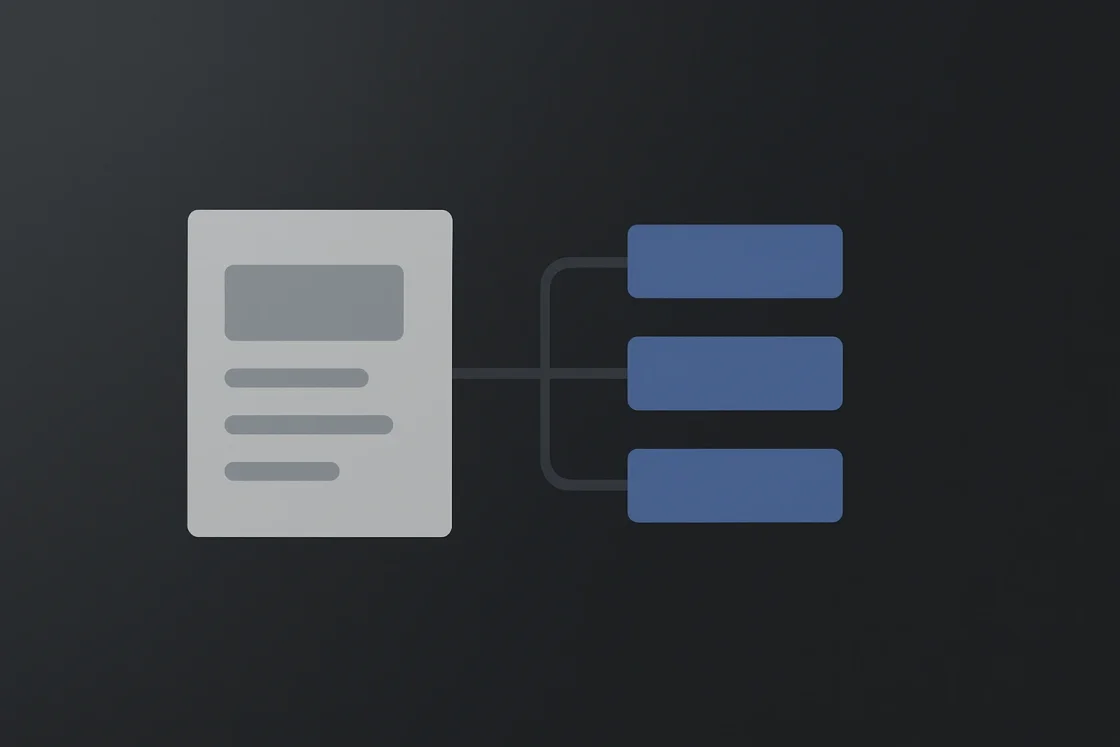
A “hub” page (e.g. /wordpress-development/) covers a topic broadly and links to “spoke” pages (e.g. /wordpress-development/woocommerce/, /wordpress-development/maintenance/, /wordpress-development/headless/) that cover sub-topics in depth. Each spoke links back to the hub and to siblings. Google rewards topical authority signals from this structure.
5. Internal linking — the most underused SEO lever
Every page should have 3-10 contextual internal links to other relevant pages. Blog posts should link to commercial / money pages. Product pages should link to category pages and related products. Use descriptive anchor text matching the target page’s primary keyword.
6. Mobile-first responsive design
Google indexes mobile-first since 2019. Your site must render correctly on mobile, with readable text (16px+ body), tappable buttons (44x44px minimum), and no horizontal scroll. Test on real devices, not just Chrome DevTools mobile emulation.
What to skip in 2026
- Aggressive paid link-building. PBN backlinks and paid guest post networks risk Google penalties. Earn links through content quality instead.
- AI-generated mass content. Helpful Content Update penalizes content factories. Use AI as a research aid, not a content factory.
- Keyword stuffing. Write for humans first. Google’s NLP is sophisticated enough to spot stuffing.
- Programmatic location pages from templates. Each city/location page must have genuinely unique local content, or it’ll be classified as thin and demoted.
- Duplicate meta titles and descriptions. Every indexable page should have unique title and meta.
Frequently asked questions
What’s the most important SEO factor in 2026?
Content quality and topical authority. Google’s NLP can distinguish surface-level content from genuinely expert content. After that: Core Web Vitals, schema markup, and internal linking.
How long does it take to rank a new website on Google?
For low-competition niches: 3-6 months. Competitive niches: 12-24 months. Brand-new domains face a “sandbox” effect for 3-9 months even with perfect on-page SEO.
Does WordPress have built-in SEO?
WordPress has decent baseline SEO (clean URLs, sitemap support, mobile responsive themes). Plugins like Yoast SEO or Rank Math add the missing pieces (schema, OpenGraph, social previews, internal linking suggestions).
Do I need an SEO agency to build an optimized website?
Not necessarily, but technical SEO work (schema, Core Web Vitals, hub-and-spoke architecture) typically requires a developer with SEO knowledge. Most agencies bundle this; freelancers may not.
What is hub-and-spoke content architecture?
A SEO content structure where a broad “hub” page (e.g. /wordpress-development/) links to detailed “spoke” pages on sub-topics (e.g. WooCommerce, headless, maintenance). Each spoke links back to the hub. Signals topical authority to Google.
Building a new website or upgrading an old one? Get a scoped SEO + dev proposal from Belov Digital in 48 hours →