

Keeping a site multilingual is no longer just a localization project; it is a growth strategy, and ai translation wordpress workflows now make that strategy much easier to scale. For global brands, AI-powered translation can speed up publishing, reduce manual workload, and help teams launch region-specific content faster while preserving brand voice and site structure.
In this guide, I will walk through how AI translation works for WordPress, what to look for in a translation plugin, where it helps most, where human review still matters, and how agencies like Belov Digital Agency approach multilingual site builds for US, UK, and Canadian audiences. I will also reference practical plugin options and tools, including WPML, TranslatePress, DeepL, and others, so you can compare the ecosystem with a clear lens.
Why multilingual websites are now a competitive advantage
Businesses that publish in multiple languages can serve more visitors in their preferred language, improve trust, and expand discoverability in search engines across markets. WordPress is especially well suited to this because it has a large multilingual plugin ecosystem, ranging from AI-first automation to more hands-on translation workflows. WPML says its AI translation engine is designed to translate entire sites with full context and branding, while TranslatePress highlights automatic translation with AI directly inside the plugin experience.
For agencies and in-house teams, the main benefit is speed. Instead of manually translating every page, product, menu item, and form label, AI can produce an initial multilingual version quickly, which your team can then refine. AI Translate, for example, is described as a plugin that automatically translates pages, posts, titles, menus, and more in real time as users and bots visit the site.
This matters especially for growing content-heavy websites, ecommerce stores, and membership platforms. A site with hundreds or thousands of pages can become impossible to maintain manually in multiple languages, but an AI-assisted workflow can keep pace with frequent content updates.
How AI translation works inside WordPress
AI translation plugins generally connect WordPress content to an external translation engine or built-in AI model. When a page loads, the plugin translates the source content into the target language, often using stored translations or live processing, depending on the product configuration.
Some tools focus on real-time translation and automatic coverage of the entire site, while others prioritize editorial control and human review. WPML’s AI translation setup, for instance, uses contextual information about the site topic and target audience so translations better reflect tone and terminology. That is a useful distinction, because raw translation alone is rarely enough for brand-quality multilingual publishing.
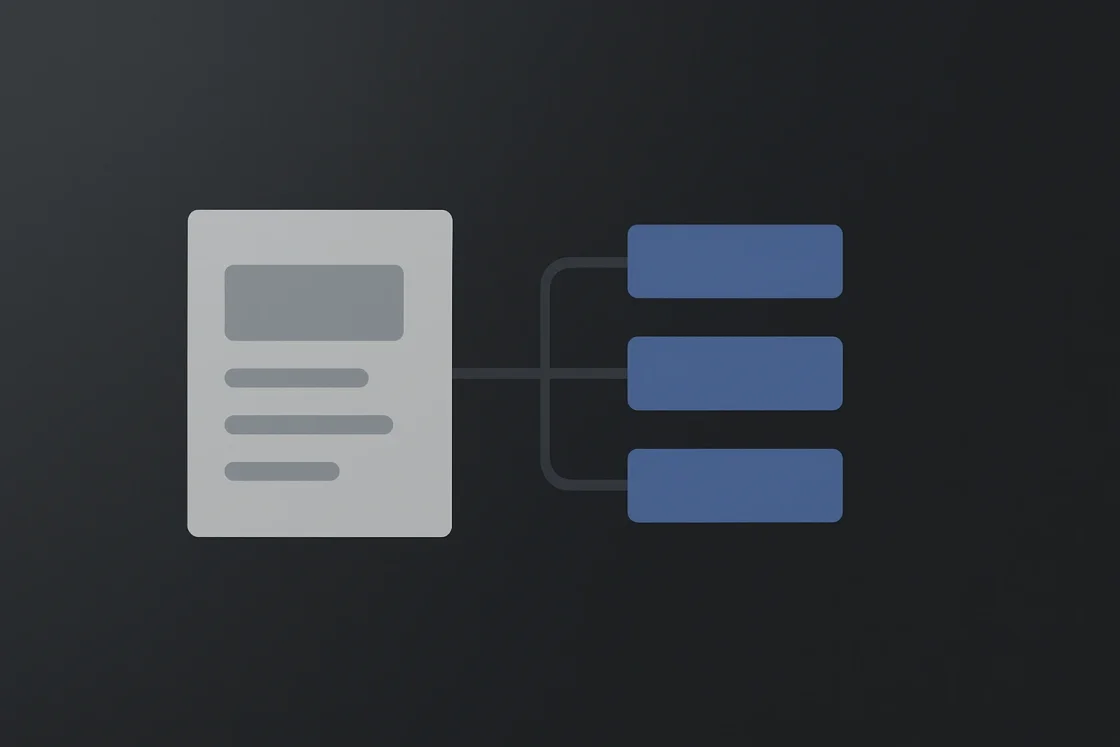
In practical terms, AI translation in WordPress usually involves four layers:
- Source content detection — the plugin identifies posts, pages, menus, taxonomies, and other text elements.
- Language routing — users are served content in the selected language based on URL structure, language switchers, or browser preferences.
- Machine translation — the AI generates an initial translation, often using a third-party model or translation engine.
- Editorial refinement — marketers or translators review and edit the output to preserve meaning, tone, and SEO value.
For many websites, the best performance comes from combining automation with human editing, not replacing one with the other.
Choosing the right AI translation approach
The right setup depends on your site size, content velocity, and quality requirements. Some brands need full automation with minimal maintenance, while others need exact terminology, legal precision, or ecommerce consistency. WPML, TranslatePress, Linguise, GTranslate, and other solutions all solve the problem differently.
When full automation makes sense
Full automation is useful when speed matters most, such as for media sites, fast-growing blogs, or product catalogs that change often. AI Translate’s real-time translation model fits this use case because it can translate content as visitors access it. This is especially valuable if you publish frequently and need immediate multilingual coverage without waiting for a translation queue.
When editorial control matters more
If your content is brand-sensitive, compliance-heavy, or conversion-focused, editorial control becomes more important than pure speed. WPML’s AI translation approach emphasizes context and audience, which can help reduce awkward phrasing and keep terminology aligned. That is relevant for service pages, legal pages, pricing pages, and high-intent landing pages where wording affects trust and conversion.
When hybrid workflows work best
Most agency projects benefit from a hybrid model: AI creates the first draft, then a human editor reviews key pages. This is the most practical model for multilingual SEO because it balances scale with quality. It also prevents common AI issues such as overly literal phrasing, inconsistent terminology, and weak localization of idioms.
For site owners comparing tools, it is helpful to evaluate them by workflow rather than brand name alone. A product like DeepL is widely known for translation quality, while a WordPress plugin like TranslatePress embeds AI translation into the website editing experience. Those are different layers of the stack, and both can be useful depending on the project.
What to look for in an AI translation plugin
When evaluating ai translation wordpress tools, the most important question is not “Can it translate?” but “Can it support your publishing workflow at scale?” That means looking at more than the translation engine itself.
- Coverage — does it translate pages, posts, custom post types, menus, widgets, and metadata?
- Context handling — can you provide site topic, audience, and terminology guidance?
- SEO support — does it support translated slugs, metadata, and hreflang-style language structures?
- Editing workflow — can editors review translations inside WordPress?
- Performance — does it add minimal load time or excessive external requests?
- Scalability — does it work for one small site or a portfolio of multilingual properties?
- WooCommerce compatibility — can it handle product pages, cart text, and checkout flows?
WPML and TranslatePress are both positioned as strong WordPress translation solutions, while Linguise focuses on cloud AI translation for WordPress and WooCommerce. GTranslate is commonly used for quick multilingual rollouts, especially where speed and broad language coverage are the priority.
Real-world use cases for AI translation
AI translation is not one-size-fits-all, and different industries benefit in different ways. Here are a few practical examples of where it creates immediate value.
Content marketing and publishing
Newsrooms, blogs, and thought leadership sites often publish new material weekly or daily. AI can translate new posts at the point of publication, helping international readers access content without delay. This is a strong fit for editorial teams that want to expand reach without doubling their workload.
Ecommerce
Online stores need translations for product titles, descriptions, category pages, shipping information, and transactional messaging. WPML and Linguise both highlight multilingual and WooCommerce-oriented workflows, which makes them relevant for online retail projects. In ecommerce, the biggest gain is not just translation volume; it is consistency across product catalogs and checkout experiences.
Service businesses
Agencies, consultancies, law firms, and healthcare providers often need multilingual service pages that remain accurate and persuasive. AI can produce the initial draft, but a human review is especially important for legal, medical, and financial language. In these contexts, translation quality directly affects trust.
Education and membership sites
Training platforms, universities, and membership communities often have large information architectures. AI translation can reduce the bottleneck of localizing course catalogs, member dashboards, FAQs, and onboarding flows. The more structured the content, the more efficient the translation process tends to be.
SEO considerations for multilingual WordPress sites
AI translation only creates value if search engines can understand and index the translated versions correctly. Multilingual SEO is therefore a core part of the implementation, not an optional add-on.
The first principle is that each language version should have its own indexable structure and localized metadata. The second is that translations should be reviewed for search intent, not just literal equivalence. A phrase that works in US English may need a different form in Canadian English, UK English, or another market entirely.
Tools like WPML and TranslatePress are commonly used because they are built around WordPress localization workflows and multilingual content structures. In practice, teams should also check that translated URLs, titles, descriptions, and internal links are maintained consistently throughout the site.
For teams that want to compare different translation approaches, resources like the WordPress.org plugin directory, WPML documentation, and industry roundups from sources such as WPBeginner and Weglot can be useful starting points.
Where AI still needs human review
AI translation is fast, but speed does not guarantee quality. Human review is still necessary in several situations.
- Brand voice — AI may preserve meaning but miss the specific cadence and style your brand uses.
- Legal content — contracts, policies, disclaimers, and regulated claims need expert review.
- Sales copy — headlines and calls to action may require localization rather than direct translation.
- Technical content — software docs, APIs, and support articles often use specialized terminology.
- Cultural nuance — humor, idioms, and references can break when translated too literally.
DeepL is often praised for high-quality translation, while tools like QuillBot offer quick translation across 50+ languages for shorter content workflows. But even strong engines should still be treated as first drafts in high-stakes publishing environments.
That is why many agencies use a “translate, review, publish” process instead of “translate and forget.” It protects quality while still capturing the efficiency of automation.
Comparing popular tools in the WordPress ecosystem
If you are exploring the market, it helps to understand how the main tools differ in positioning.
- WPML — a mature multilingual plugin with AI translation support that emphasizes context, terminology, and branding.
- TranslatePress — an on-site translation experience with AI translation built into the plugin workflow.
- AI Translate — a plugin focused on real-time automatic translation of pages, posts, titles, menus, and more.
- Linguise — a cloud AI translation plugin for WordPress and WooCommerce.
- GTranslate — commonly used for rapid multilingual deployment and a wide range of language coverage.
For general translation quality references outside WordPress, DeepL remains a common benchmark, while Google’s translation ecosystem and Microsoft’s tools are often mentioned in broader AI translation software comparisons. Gridly’s comparison of AI translation software also notes capabilities across tools such as ChatGPT, Gemini, and other models, showing how broad the market has become beyond classic machine translation engines.
How agencies implement AI translation successfully
At an agency level, AI translation works best when it is part of a broader internationalization process. That includes content modeling, taxonomy planning, SEO architecture, and editorial governance. Without those foundations, translation tools can only automate a broken structure faster.
Belov Digital typically approaches multilingual WordPress builds by first defining which content should be translated, which should be localized, and which should remain market-specific. That distinction matters because a homepage, a legal page, and a blog article often require different workflows. You can learn more about how we approach WordPress projects through Belov Digital Agency, or reach out via Contact Us if you are planning a multilingual rollout.
A practical implementation framework looks like this:
- Audit the site structure, content types, and target markets.
- Choose the translation workflow: full automation, hybrid review, or manual-first.
- Set language rules for terminology, tone, and brand voice.
- Configure the WordPress plugin and connect the translation engine.
- Translate priority pages first, especially high-traffic and high-conversion content.
- Review translations for accuracy, SEO, and consistency.
- Test navigation, forms, search, checkout, and mobile rendering in each language.
- Monitor engagement and conversion metrics after launch.
This process keeps AI translation useful without letting automation dictate the final user experience.
Case-style examples of what works in practice
Consider a B2B software company launching in the UK, Canada, and France. The team may use AI translation to produce initial versions of product pages, then have editors adapt feature descriptions, pricing language, and support documentation. The result is faster market entry and a cleaner editorial workflow than manual translation alone would allow.
Now consider an ecommerce brand with seasonal promotions and new products every week. AI translation can localize the new catalog quickly, while human reviewers handle featured landing pages and promotional banners. This gives the store both speed and polish during high-volume sales periods.
A third example is a content-led agency site that publishes resources in English first and later expands into Spanish and French. AI translation can turn the content backlog into a multilingual library, while editorial staff refine the most valuable articles for each audience. That approach is especially effective when paired with internal linking and consistent content templates.
Common mistakes to avoid
Even strong translation technology can produce disappointing results if it is implemented poorly. The most common mistakes are operational, not technical.
- Publishing unedited AI output — this often creates awkward phrasing and weak brand perception.
- Ignoring SEO structure — translated content without proper metadata and URL planning underperforms in search.
- Translating everything equally — some pages need localization, while others need direct translation.
- Skipping terminology rules — recurring product names and brand phrases should be standardized.
- Forgetting non-page content — menus, forms, button labels, widgets, and system messages also matter.
- Not testing the user journey — a multilingual site can still fail if navigation or checkout breaks in another language.
These issues are avoidable with a clear publishing process and the right plugin configuration.
Helpful tools and reference points
Several external resources are worth reviewing when building a multilingual WordPress strategy. WPML’s documentation explains how its AI translation engine works and how to enable it in the plugin settings. WordPress.org’s AI Translate plugin page outlines a real-time automatic translation workflow for site content. TranslatePress describes its AI translation capability as embedded directly in the plugin, while Linguise focuses on cloud-based automatic translation for WordPress and WooCommerce.
For broader market comparison, Gridly’s AI translation software roundup and Lokalise’s list of AI translation tools are useful for understanding how WordPress plugins fit into the wider translation landscape. DeepL remains a widely used reference point for translation quality, and the European Union’s AI translation and language tools page shows how institutions are applying AI to multilingual content workflows at scale.
If you want a broader view of the WordPress plugin ecosystem, sources such as WPBeginner, Weglot, and TechSoup discussions can help you compare use cases, strengths, and common selection criteria.
What this means for global growth
AI translation is not just about reducing cost; it is about shortening the time between publishing and international reach. For global sites, that can mean more traffic, better user experience, faster regional launches, and stronger conversion opportunities in non-English markets.
The best results come from treating translation as a system, not a one-click feature. Choose a plugin that fits your editorial workflow, define your quality standards, and build multilingual SEO into the architecture from the start. If you do that, ai translation wordpress becomes a practical engine for global growth rather than a shortcut with hidden costs.
If you are planning a multilingual WordPress project and want help choosing the right approach, explore Belov Digital Agency or reach out through Contact Us to discuss a strategy tailored to your markets, content volume, and growth goals.