

Building a Scalable B2B Funnel Architecture on WordPress
In the modern B2B landscape, success hinges on a well-structured funnel architecture that guides potential clients from initial awareness to a final contract. For organizations looking to leverage the flexibility of open-source platforms, the b2b funnel wordpress combination offers a powerful, cost-effective solution to automate lead generation, nurture complex buyer journeys, and drive revenue without the rigidity of closed ecosystems.
Unlike consumer sales that often rely on impulse, B2B transactions are characterized by longer decision cycles, multiple stakeholders, and a need for deep trust. A robust architecture on WordPress allows you to map these intricate journeys precisely, ensuring that every interaction—whether a blog read, a whitepaper download, or a demo request—is captured and utilized to move the lead closer to a decision.
Why WordPress is the Ideal Foundation for B2B Funnels
WordPress has evolved far beyond a simple blogging tool; it is now a comprehensive content management system capable of handling enterprise-level traffic and complex data workflows. When building a b2b funnel wordpress, organizations gain the ability to integrate with virtually any third-party tool, from CRMs like Salesforce to email marketing platforms like HubSpot. This flexibility is crucial for B2B, where the data flow must be seamless to support multi-touch campaigns.
Closed platforms often force businesses into a “one-size-fits-all” design system, limiting the ability to create the specific landing pages and content hubs required for B2B education. WordPress, by contrast, provides the power to build a custom website and funnel that aligns perfectly with your brand’s unique voice and value proposition. You can start with solid Kinsta hosting to ensure speed and reliability, then layer on a dedicated funnel builder plugin to create drag-and-drop optimized templates with built-in conversion features.
The Core Stages of a B2B Content Marketing Funnel
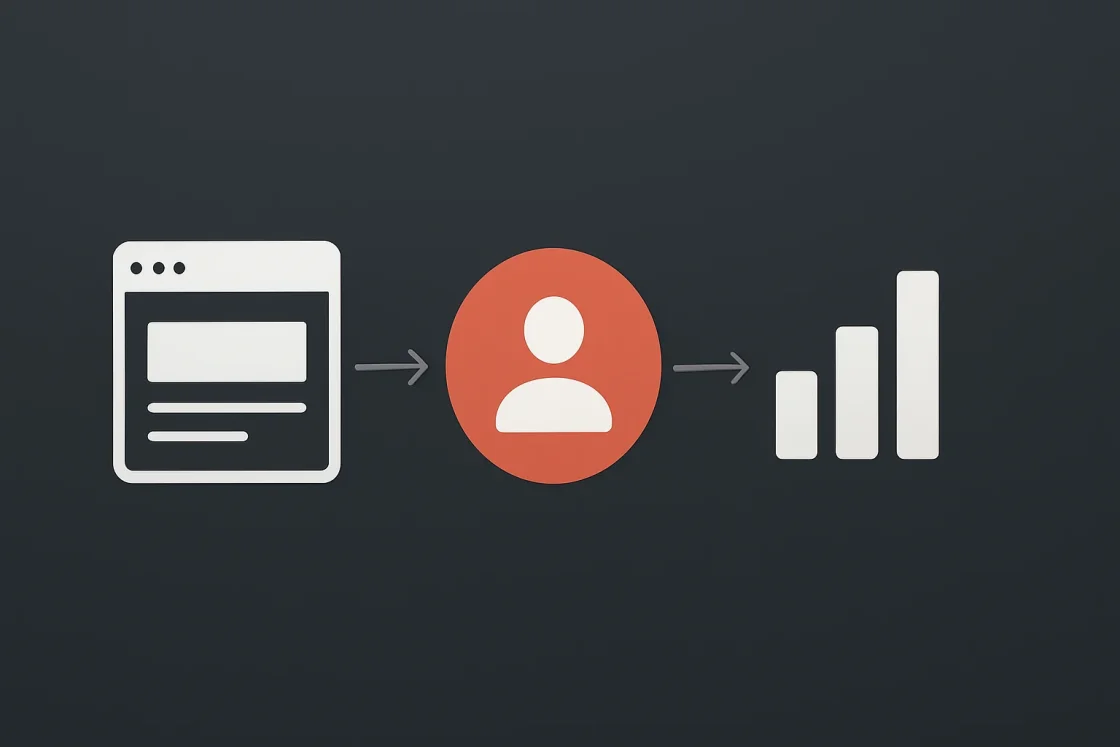
To architect a successful funnel, you must understand the three primary stages that define the B2B buyer’s journey: Awareness, Engagement, and Decision-Making. Each stage requires specific content types and metrics to drive progress.
Awareness is where the prospect first learns about your solution. This is often driven by broad educational content like blog posts, industry reports, and social media ads. The goal here is to capture attention and introduce the problem you solve. In the WordPress ecosystem, you can use tools like Yoast SEO to ensure this content is highly visible and optimized for search engines, drawing in organic traffic from companies actively searching for solutions.
Engagement represents the deeper conversation stage. Here, prospects are evaluating your authority and trustworthiness. They are looking for industry-specific insights that aren’t centered around your product. Content types for this stage include webinars, in-depth ebooks, newsletters, and case studies. This is the critical moment where you ask for the lead’s contact information. WordPress plugins like Plezi One can help create sophisticated online forms that capture these leads and automatically segment them for targeted follow-up campaigns.
Decision-Making is the final stage where the audience is ready to make a purchase. The actions here are directly tied to revenue, such as swiping a credit card, signing a contract, or booking a “hard sell” product demo. Content in this stage should focus on removing friction and validating the decision through product reviews, testimonials, and subscription signups. An optimized checkout process on WordPress, facilitated by tools like FunnelKit or SureCart, ensures the buying process is smooth and reduces abandoned carts.
Step-by-Step Guide to Architecting Your Funnel on WordPress
Building a b2b funnel wordpress architecture requires a strategic approach that moves from planning to technical execution. Here is a comprehensive, step-by-step guide to help you set up your system.
1. Map Your Ideal Customer Journey
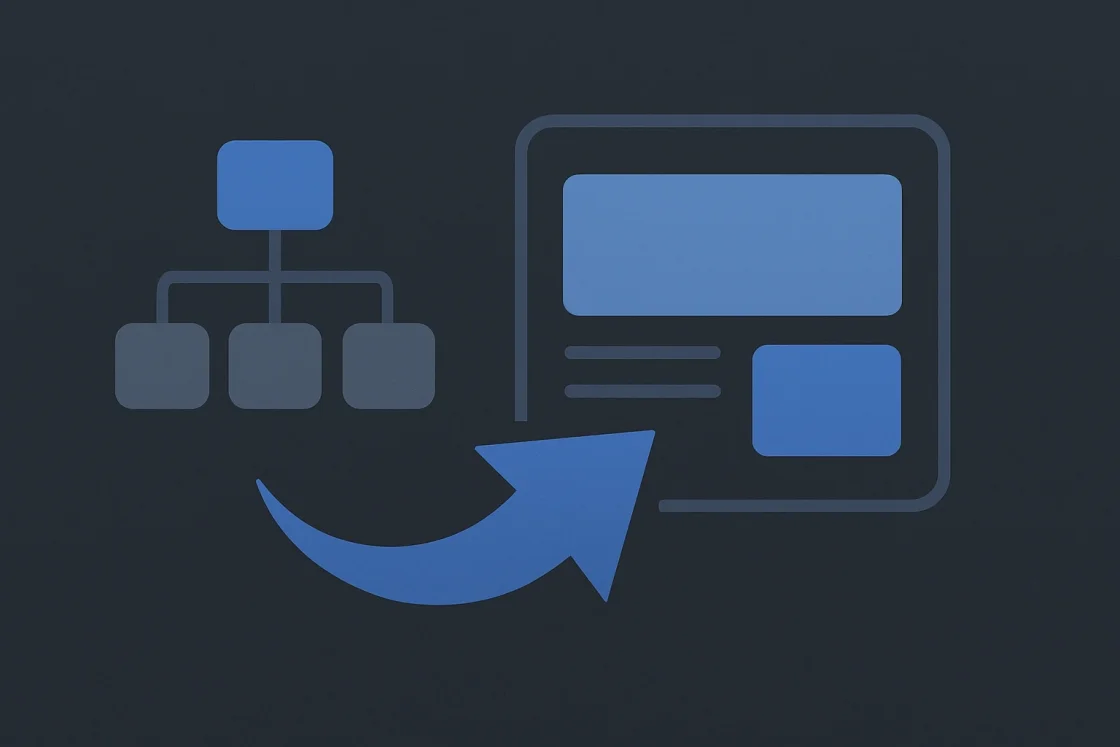
Before touching any technology, you must sketch the exact path you want your customers to take. This path begins at the first touchpoint—whether a blog post, an ad, or a search result—and extends through to checkout and beyond. You need to identify what content the customer needs at each stage to convince them to say “yes.” This clarity guides every functional decision in your funnel. For instance, a software company might need a “Capabilities” page early in the journey, while a consulting firm might prioritize a “Methodology” whitepaper. You can find more detailed strategies on mapping these journeys at WordPress VIP.
2. Select the Right Hosting and Funnel Builder Plugin
Your foundation matters immensely. A solid WordPress hosting solution ensures speed and reliability, which are critical for user experience and SEO. We recommend Kinsta for its enterprise-grade performance and security. Once hosting is secured, install a funnel-focused tool. Options like OptimizePress, CartFlows, or FunnelKit provide drag-and-drop builders, optimized templates, and built-in conversion features. These tools simplify the process with pre-built templates and automation, making it easier to create high-converting pages without custom coding.
3. Create a Super Valuable Lead Magnet
The first step in your funnel is to offer something of immense value in exchange for contact information. This is your lead magnet. For B2B, this should be an asset that solves a specific business problem, such as an industry benchmark report, a comprehensive checklist, or a mini-course. The magnet must be “super valuable” to compel the prospect to opt-in. As noted by ClickFunnels, creating a compelling lead magnet is the cornerstone of a powerful sales funnel. You can use plugins like Elementor to design attractive forms that make the offer stand out.
4. Design a High-Converting Landing Page
Once you have your lead magnet, you need a dedicated landing page to promote it. This page does not need to be complicated; a simple squeeze page is often most effective. However, it must contain three key elements: a headline that conveys the value of your free offer, an opt-in form for the potential customer to enter their email address, and a clear call-to-action button that encourages them to get the lead magnet. The page should be optimized for speed and mobile responsiveness. Tools like SureCart offer AI-built forms that can be easily integrated into your landing pages to streamline the data collection process.
5. Craft an Irresistible Frontend Offer
After the lead has downloaded your magnet, you need to present an initial product or service offer. This is your frontend offer. The formula for creating an irresistible offer is simple: High Value + Low Price = Irresistible Offer. This offer should be low-risk for the customer but high-value enough to demonstrate your expertise. You should create a dedicated sales page for this frontend product, ensuring it clearly outlines the benefits and addresses potential objections. The goal is to move the customer from a passive lead to an active buyer.
6. Implement a 6-Email “Indoctrination” Sequence
Automated email marketing is essential for nurturing leads and driving conversions. Instead of pitching your product immediately, send a 6-email welcome sequence that builds a relationship with the customer. This sequence should follow the “Hook, Story, Offer” framework:
- Email #1: Who Are You? Introduce yourself and your company’s mission.
- Email #2: Where Did You Come From? Share your origin story and how you got to do what you do.
- Email #3: What Do You Do? Explain your core services and expertise in detail.
- Email #4: How Did You Gain This Expertise? Detail your qualifications and credentials.
- Email #5: Who Do You Do This For? Explain your dream customers and share a case study of a successful project.
- Email #6: How Can You Do It For Me? Introduce your frontend product and encourage the customer to click through to its sales page.
For emails #1 to #5, the call to action should be a question that encourages the customer to reply, fostering engagement. Only pitch your product in email #6. This approach is widely recommended by experts at ClickFunnels for building trust and moving prospects toward purchase.
7. Optimize Checkout and Add Upsells
Once the customer decides to buy, the checkout process must be frictionless. An optimized checkout reduces friction and leads to higher conversion rates. This is where plugins like FunnelKit shine, offering frictionless checkout experiences with upsells and downsells. After the initial purchase, motivate expansion by offering complementary products, add-ons, or plan upgrades. Since existing customers are more likely to buy from you again, this is a critical step for maximizing revenue. You can also promote referral programs and affiliate opportunities to turn loyal customers into advocates, helping to spread the word and complete the marketing cycle as suggested by Freemius.
8. Track, Analyze, and Iterate
A funnel is never “finished”; it must be continuously optimized. Integrating tools like GA4, GTM, and Facebook Conversion API ensures you know exactly where leads drop off and which campaigns drive sales. Use these insights to test different headlines, offer prices, and email sequences. Regularly iterating on your funnel based on data is the only way to ensure lasting success. For more on tracking and optimization, visit LinkedIn insights from Mst Rumi Akter.
Essential Plugins and Tools for Your B2B Funnel
To build a robust b2b funnel wordpress architecture, you need the right set of plugins. Here are the top tools that will streamline your process:
- FunnelKit: The #1 rated sales funnel builder for WordPress and WooCommerce, offering conversion-optimized templates and order bumps. See more at FunnelKit.
- CartFlows: A powerful plugin for creating high-converting WooCommerce checkout pages and sales funnels. Learn more at CartFlows.
- OptimizePress: A dedicated funnel builder software designed specifically for creating sales funnels in WordPress. Explore at OptimizePress.
- Plezi One: A free WordPress plugin for B2B marketing that helps create online forms and capture leads efficiently. Check it out at Plezi.
- Yoast SEO: Essential for optimizing your content marketing funnel to ensure high visibility in search engines. Get started at Yoast.
- Elementor: A versatile page builder that allows for custom design and form integration. Visit Elementor for details.
Real-World Case Studies and Success Stories
Understanding how these architectures work in practice is key. Let’s look at a few examples of companies that have successfully implemented B2B funnels on WordPress.
Case Study 1: The Enterprise Software Provider
A mid-sized software company struggled with low conversion rates on their demo requests. By switching to a b2b funnel wordpress model, they created a comprehensive lead magnet: an “Industry Efficiency Report.” They used CartFlows to build a dedicated landing page that captured leads. An automated email sequence followed, sharing case studies and technical deep dives. Within six months, their demo request conversion rate increased by 45%, and their average deal size grew significantly.
Case Study 2: The B2B Consulting Firm
A consulting firm needed to build trust with high-level executives. They implemented a three-stage funnel guide focused on content and metrics. Their Awareness stage relied on blog posts about industry trends. The Engagement stage featured a webinar on “Strategic Risk Management,” captured via Plezi One forms. The Decision stage used a “Strategy Session” booking form. By mapping their customer journey and using Kinsta for speed, they reduced their lead response time and increased their booked meetings by 60%.
For more success stories and frameworks, check out WordPress for B2B by Go Watermark Design.
Conclusion: Start Building Your Architecture Today
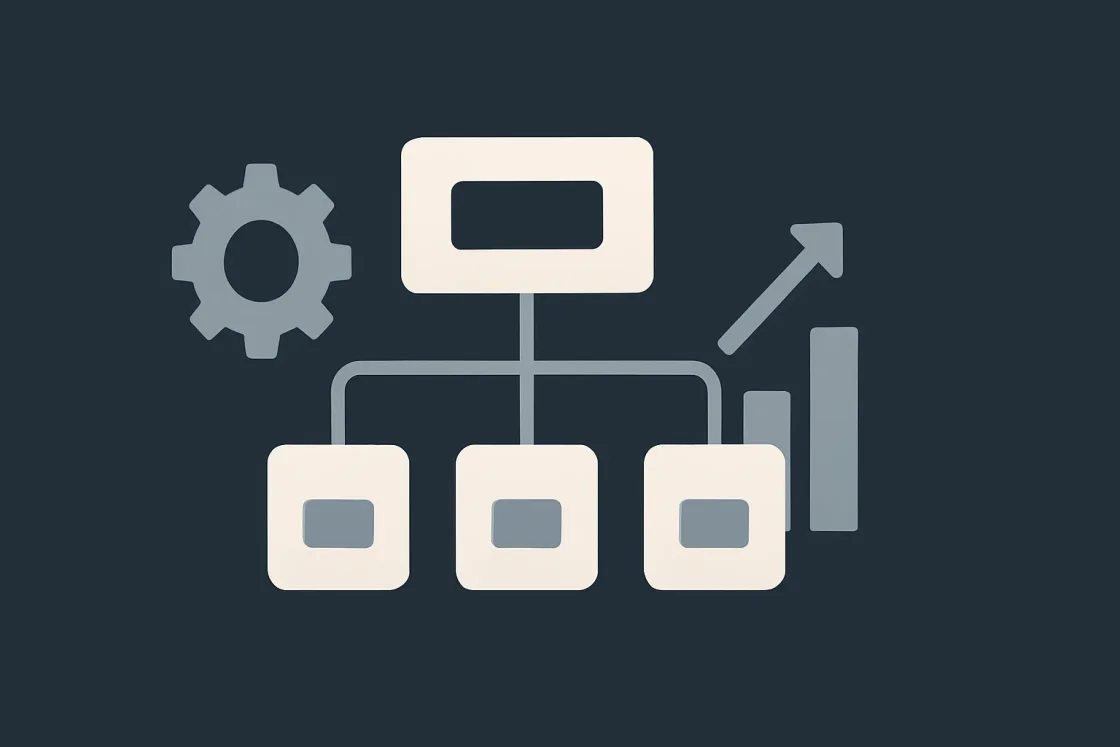
Architecting a B2B funnel on WordPress is not just about installing plugins; it is about understanding the psychology of your buyer and mapping a journey that builds trust, demonstrates value, and drives revenue. By leveraging the flexibility of WordPress, the power of dedicated funnel builders like FunnelKit, and the insights from data analytics, you can create a system that scales with your business.
Don’t let your business rely on outdated methods or rigid platforms. The b2b funnel wordpress combination offers the ultimate framework for lead generation and growth. If you are ready to build a funnel that sets you up for lasting success, the first step is to map your customer journey and secure your hosting foundation.
Need expert assistance to design and implement your custom B2B funnel architecture? Our team at Belov Digital Agency specializes in WordPress development and funnel optimization. We can help you select the right tools, design high-converting pages, and automate your email sequences. Reach out to us today to discuss your project: Contact Us.
Remember, the key to a successful funnel is continuous iteration. Start with a solid foundation, test your offers, and optimize your sequences. With the right tools and strategy, your B2B funnel will become a reliable engine for growth. Explore more of our resources on our blog for additional tips on WordPress optimization and funnel architecture.