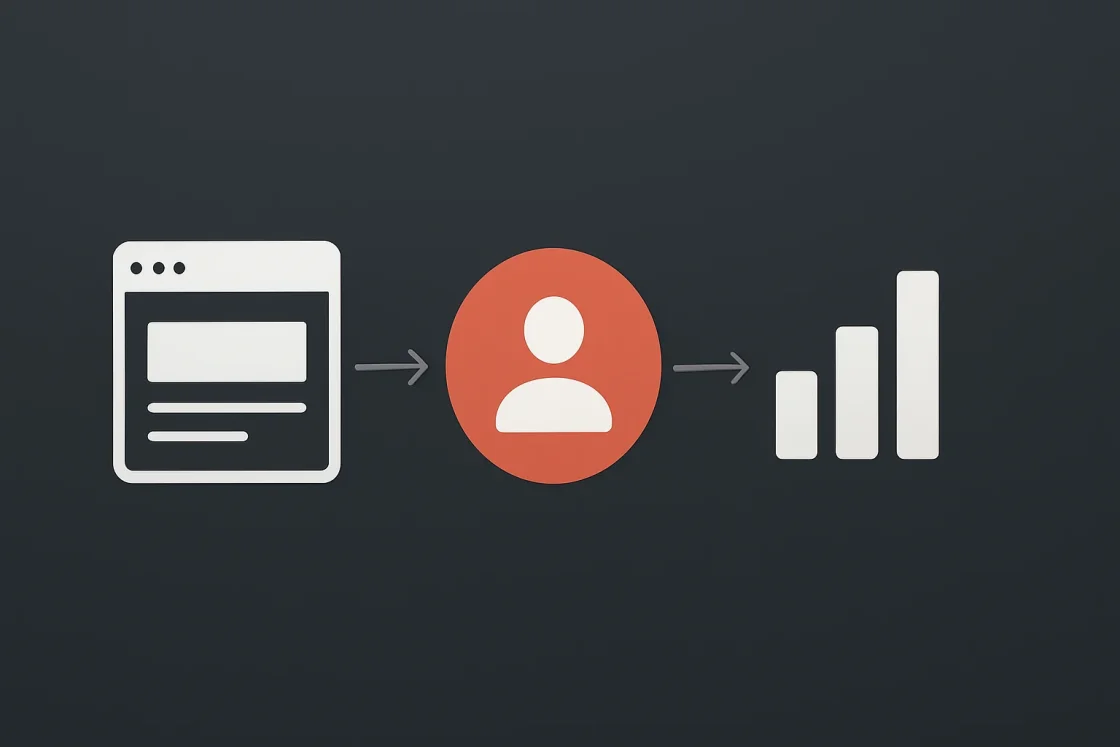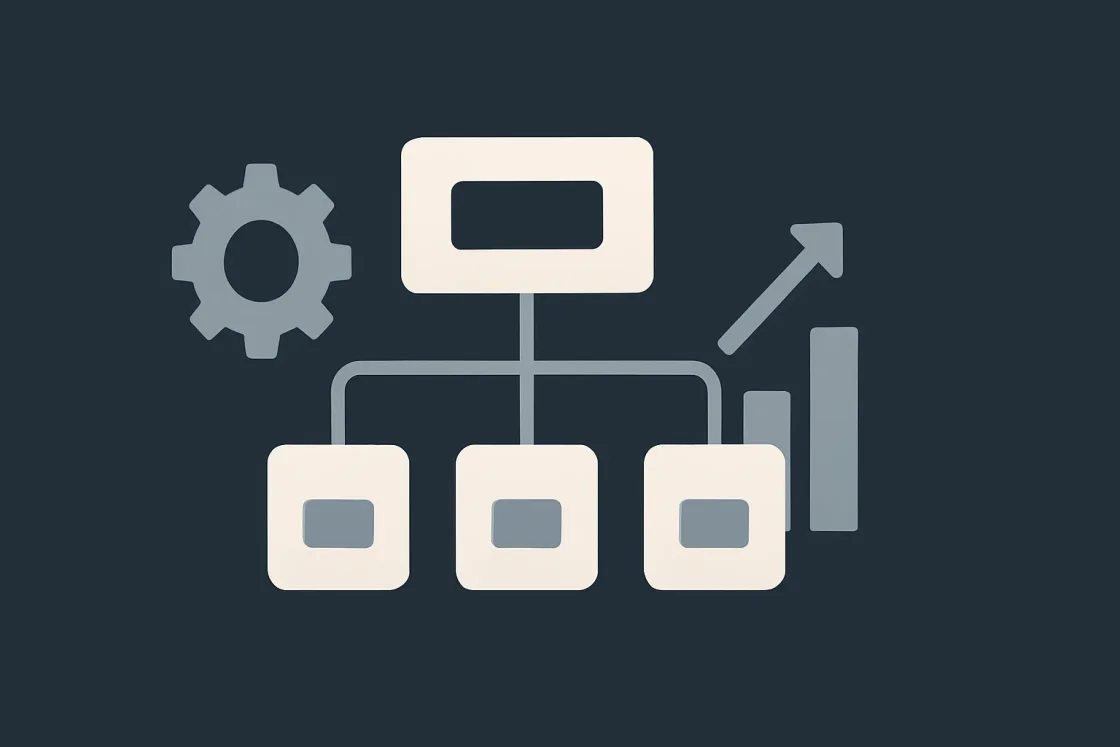



Creating a robust Conversion Tracking Architecture is the backbone of any successful digital marketing strategy, especially within the WordPress ecosystem. Without a precise system to capture user actions, businesses cannot distinguish between high-performing campaigns and wasted ad spend. This guide dives deep into how to architect a reliable data collection framework using GA4, Meta Pixel, and specialized WordPress plugins to ensure every click, form submission, and purchase is accurately recorded.
Building the Foundation of Your Data Collection System
The first step in establishing a wordpress conversion tracking architecture is to connect your site to Google Analytics 4 (GA4). This connection serves as the central repository for your raw data before it is processed into actionable insights. You must begin by navigating to the GA4 admin section and creating a new property specifically for your website, ensuring you enter your business details and set clear goals for what you intend to measure.
Once your property is created, the most efficient method to integrate this with your WordPress site is by downloading and installing the Google Site Kit plugin from the official WordPress repository. By using the plugin’s wizard, you can seamlessly connect your GA4 property without needing to manually edit code files. This plugin automatically injects your tracking code into WordPress, simplifying the initial setup for non-developers. However, if the automatic injection fails, you can manually retrieve your Measurement ID from the Admin > Data Streams section in GA4, select your stream, and paste the ID before the closing </head> tag in your theme’s header file.
Defining and Marking Conversion Events
After the tracking code is active, the architecture shifts to defining what constitutes a “conversion.” In GA4, these are known as conversion events, which represent specific user actions that correspond to your business triggers, such as completing a form or finalizing a purchase. You can now begin to define these events within the GA4 interface, under Admin > Events.
To ensure these events are tracked as conversions, you must explicitly mark them. For instance, if you are tracking lead generation, you would mark events like add_payment_info or generate_lead as conversion events. This step is critical because GA4 will not automatically treat every user interaction as a high-value conversion unless you designate it so. A reliable way to verify that your events are firing correctly is to use the DebugView in GA4, found under the ‘Configure’ section, which allows you to monitor real-time event data as you perform actions on your site.
Integrating Meta Pixel for Social Ad Retention
A comprehensive Conversion Tracking Architecture cannot rely solely on Google; it must also integrate with social platforms like Facebook and Instagram. The Meta Pixel is the essential tool for tracking conversion data from your social ad campaigns, allowing you to see which ads drive actual sales or leads on your WordPress site.
To integrate this, download and install Pixel Manager Pro (or a similar reputable plugin like Meta Pixel Manager). This plugin allows you to configure a Meta Pixel for your store and commence tracking. Once installed, connect the plugin with your Meta Pixel ID. If you do not have a Pixel ID, you can generate one by following the official Meta Events Manager guide.
Automating Key Social Events
Once the connection between your WordPress site and Meta Pixel is established, the plugin automatically configures your pixel to track a series of predefined events. These typically include:
- ViewContent: Tracking when a user views a specific product page.
- AddToCart: Recording when a product is added to the shopping cart.
- InitiateCheckout: Logging when a user clicks the button to start the checkout process.
- Purchase: Confirming when a transaction is completed successfully.
You can verify the integrity of this integration by visiting your store’s front-end and performing these actions. If the integration is successful, these actions will appear in the reports within Pixel Manager Pro, allowing you to accurately track the performance of your paid social media ads. This multi-platform approach ensures that your architecture captures data from both organic search and social traffic sources.
Architecting Cross-Platform Data Verification
A sophisticated wordpress conversion tracking system requires a mechanism for cross-checking data between different platforms. Discrepancies between Google Analytics and native WooCommerce analytics can lead to flawed decision-making if not addressed. An important part of your architecture is the simultaneous setup of conversion tracking on each platform, which allows you to spot discrepancies early.
For example, if Google Analytics reports 100 purchases but your WooCommerce dashboard shows only 95, your architecture must be designed to identify the missing 5% and modify the tracking setup accordingly. This cross-validation is essential for maintaining data integrity. You might also consider leveraging third-party analytics tools like Conversion Bridge, which links your WordPress plugins directly to analytics and advertising platforms, offering complete tracking with zero code and no complicated tag managers.
Setting Up “Thank You” Pages for Precision
To maximize the accuracy of your tracking, you must implement a dedicated “Thank You” page strategy. This is a critical component of the architecture because it serves as the unique identifier for a successful conversion. For every form or sales process you track, create a specific page that users see after they submit their information or complete a purchase.
In Google Analytics, you will select this unique page as the identifier for a successful conversion goal. This method is far more reliable than tracking generic page visits, as it guarantees that the user has actually completed the action. You can even assign a monetary value to each conversion on this page, providing a direct link between user behavior and revenue. This approach is widely recommended by experts at Liquid Web for beginners looking to establish robust tracking.
Advanced Strategies for Google Ads Integration
Once your GA4 property and conversion events are defined, the next layer of your architecture is linking these goals to Google Ads. This integration allows your ad campaigns to optimize for the specific conversions you have tracked. To set this up, navigate to the Admin menu in Google Analytics and click on Google Ads, then select Linking.
Select your Google Ads account and turn on the link for your website’s default view. Once linked, you can import your chosen goals into Google Ads. In Google Ads, go to Tools, select Google Analytics, and you will see your list of goals. Select the specific goal you want to track for your campaign and click Import. This process ensures that your ad spend is directly tied to the verified conversions on your site.
For a more granular approach, you can also implement trackable URLs (tracking parameters) within your ads. These links include specific data points that report back to you when clicked, allowing you to measure the exact performance of individual ad variations. This technique is a staple of WP Engine’s recommended conversion tracking methods.
Utilizing WordPress Plugins for Enhanced Control
While manual setup is powerful, top WordPress plugins offer easy conversion tracking solutions that can simplify your architecture. Plugins like Analytify, Conversion Bridge, PixelYourSite, and WooCommerce integrations provide user-friendly interfaces for managing complex tracking rules.
These tools allow you to customize your KPI tracking to fit your specific business needs without writing code. For instance, you can customize goals and execute detailed targeting by simply toggling settings in the plugin dashboard. This flexibility is crucial for agencies managing multiple clients, as it allows for rapid deployment of tracking architectures. The WP Builds podcast highlights how Conversion Bridge simplifies this through a user-friendly toggle system, enabling simultaneous tracking of multiple events.
Measuring Performance and Optimizing for Growth
The ultimate goal of a Conversion Tracking Architecture is not just to collect data, but to use that data to improve your site’s performance. The first step of any conversion improvement is accurately tracking how many conversions you are currently getting. Once you have this baseline, you can set clear goals for your conversion rate optimization (CRO) process.
To set a conversion goal, you must determine what your website needs most, whether it is lead generation, email subscribers, or direct purchases. You can conduct market research through polls and surveys, or check industry forums to understand your audience’s needs. Additionally, analyzing your past data can help you infer audience reactions from previous interactions.
Improving Website Performance and User Experience
Even with a high Click-Through Rate (CTR), a slow website will fail to convert users. Your wordpress conversion tracking architecture should include monitoring website performance metrics, such as loading times and mobile responsiveness. Reducing page load speed is non-negotiable, as users will abandon a slow site immediately. You can improve performance by optimizing images, using a caching plugin, and choosing a reliable hosting provider like Kinsta, which is renowned for its speed and reliability for WordPress sites.
Furthermore, including social proof is a proven method to boost trust. You can add photos and testimonials from customers, consumer case studies, awards, and star ratings to your site. These elements reassure new visitors that your business is legitimate and trusted by others.
Leveraging Follow-Up and Abandoned Cart Strategies
If your architecture tracks abandoned carts, you can use this data to send follow-up emails. In the context of ecommerce, these are known as abandoned cart emails, which capture the user’s name and email address through an opt-in form and remind them to complete their purchase. This strategy is highly effective for recovering lost revenue.
Additionally, using a sales funnel can help scale your conversions. A proper funnel guides the user from the initial awareness stage to the final purchase, ensuring that every step is optimized for conversion. By tracking each stage of the funnel, you can identify where users drop off and fix those specific issues.
Conclusion and Next Steps for Your Agency
Architecting a robust Conversion Tracking Architecture is a complex but essential task for any WordPress business looking to thrive in the USA, UK, and Canada markets. By combining GA4, Meta Pixel, and specialized plugins, you can create a data collection system that is reliable, accurate, and actionable. Remember to always cross-check your data, utilize “Thank You” pages for precision, and continuously optimize your site’s performance based on the insights you gather.
If you are an agency looking to master these strategies for your clients, or if you need help implementing a custom tracking solution, Belov Digital Agency is ready to assist. We specialize in WordPress conversion tracking and can help you build an architecture that drives real growth. Don’t let data discrepancies hinder your business; reach out to our team today to get started.
To learn more about our services or to discuss your project, please Contact Us directly. We are committed to helping you leverage the power of data to achieve your marketing goals. Whether you need a simple setup or a complex enterprise architecture, Belov Digital has the expertise to deliver.
For more insights on digital marketing and WordPress optimization, explore our other blog posts on our blog. We regularly publish guides on the latest trends, tools, and strategies to keep your business ahead of the curve. Stay informed, stay optimized, and let your data drive your success.