


TL;DR — Enterprise web platforms make different trade-offs between raw performance and flexibility. WordPress VIP and headless CMS setups (Contentful, Strapi) offer most flexibility with developer effort. AEM and Sitecore offer enterprise governance and integrations but slower to ship. Custom platforms (Next.js on Vercel + headless CMS) win on performance but require senior engineering investment. Most mid-market enterprises ($50M-$500M) land on managed WordPress (WP Engine, Pantheon) or headless WordPress as the right balance.
Understanding the Core Trade-Offs Between Speed and Customization in Modern Enterprise Architecture
When enterprises select their technology stack, they face a fundamental tension: build fast or build custom. This dilemma sits at the heart of every platform decision, from content management systems to e-commerce solutions. The reality is that high-performance platforms often sacrifice flexibility, while flexible platforms frequently struggle with speed under heavy loads. Understanding these performance tradeoffs is essential for organizations that need both scalability and the ability to differentiate their digital experience in competitive markets.
The stakes have never been higher. According to current research, if your site takes longer than 3 seconds to load, you’re losing users—and in retail, even a 100ms delay can impact conversion rates. Yet many enterprises discover that the platforms offering the fastest out-of-the-box performance lack the flexibility to meet unique business requirements. This article explores how different enterprise platforms balance these competing demands and helps you understand which approach best serves your organization’s specific needs.
The Performance Hierarchy: Which Platforms Actually Deliver Speed
Performance metrics matter more than ever in 2026. Google’s Core Web Vitals focus on speed and user experience, directly impacting search rankings and revenue, requiring LCP under 2.5 seconds, FID under 100ms, and CLS under 0.1. But achieving these benchmarks requires understanding how different architectural approaches handle load.
The technological foundation of your platform determines its ceiling for performance. Node.js-based architectures demonstrate measurably superior performance in high-concurrency environments, avoiding the overhead that traditional multithreading creates. Consider the concrete example: Medusa, a Node.js e-commerce platform, can be up to 6.5 times faster than Magento for concurrent product queries on the same hardware. This isn’t a marginal improvement—it’s a foundational architectural advantage that becomes more pronounced as traffic increases.
In contrast, platforms built on older technologies struggle under load. Traditional PHP or Java-based platforms may slow under load, as each request may monopolize a thread, though modern PHP 8 and reactive Java are improving. This means organizations running platforms like Magento or traditional Drupal installations often find themselves investing heavily in infrastructure—more servers, greater operational complexity, and ultimately higher costs—just to achieve adequate performance.
The Real Cost of Performance Disadvantages
Beyond user experience, performance gaps translate directly to your bottom line. Node.js advantages can mean fewer servers, lower infrastructure costs, and reduced carbon footprint—valuable gains both financially and environmentally. When a platform requires 30% more server capacity to handle the same load as a modern alternative, you’re not just paying for extra hardware. You’re paying for ongoing maintenance, scaling operations, energy consumption, and increased DevOps complexity.
This is particularly relevant for organizations using platform-as-a-service solutions like Pantheon, which provides container-based cloud infrastructure that dynamically scales to traffic demands, ensuring zero downtime and fast load times by optimizing resource allocation in real time. When your infrastructure automatically responds to traffic spikes, your performance problem becomes manageable. But if your platform requires manual scaling and performance tuning, you’re essentially gambling that your team can anticipate traffic patterns.
Flexibility as a Competitive Advantage—And Its Hidden Costs
The counterargument to performance-optimized platforms is equally compelling: what value is lightning-fast performance if the platform cannot implement your business differentiation strategy?
Many enterprises face this exact scenario. They’ve selected a high-performance platform like Shopify Plus or a dedicated e-commerce solution, only to discover that their unique business processes cannot be replicated within the platform’s constraints. The platform excels at standard use cases but becomes frustratingly rigid when you need to deviate from established patterns.
Custom Node.js/React development with TypeScript offers maximum flexibility—you can precisely replicate your business processes and create unique user experiences with no functional limits, unlike pre-packaged platforms. This matters enormously for enterprises operating in competitive markets where differentiation through technology is a primary competitive advantage.
Modern Headless and Composable Architectures
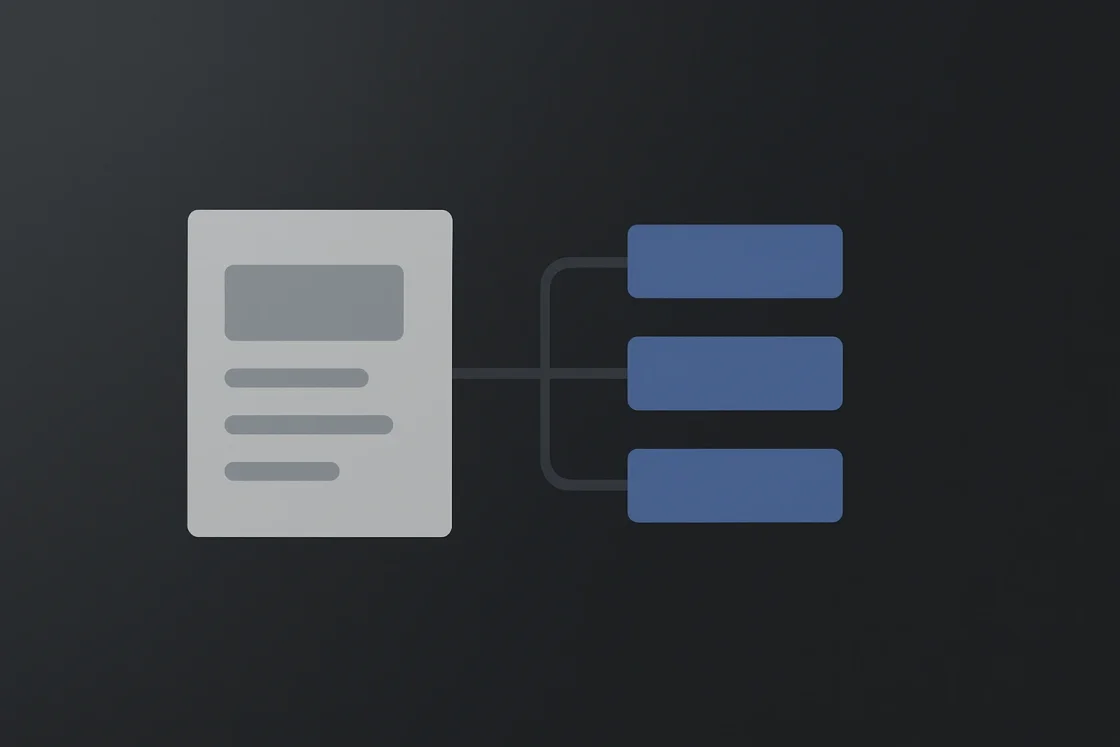
The evolution of enterprise platforms has attempted to bridge this gap through headless and composable approaches. Headless CMS solutions store content separately from the presentation layer, with RESTful and GraphQL APIs enabling integration with front-end frameworks like React, Next.js, and Vue, while composable CMS architecture lets enterprises pick and integrate best-in-class services.
This architectural shift is significant. Rather than forcing you to accept whatever built-in front-end and functionality comes with your CMS, headless architecture lets you own the presentation layer completely. You can optimize your front-end independently, swap out services as better options emerge, and maintain control over your competitive differentiation.
However, headless architectures introduce their own complexity. Prismic, a headless CMS, shines with its flexible content modeling and API-first approach, but its reliance on developers for customization may pose challenges for non-technical teams. You’ve gained flexibility but potentially lost ease of use for content editors and marketing teams who lack technical backgrounds.
Comparing the Major Enterprise Platforms on Performance and Flexibility
Let’s examine how different categories of platforms handle the performance-flexibility tradeoff:
Traditional Monolithic CMS Platforms
WordPress remains the most deployed platform globally, but WordPress sites can be fast if optimized properly, but too many plugins can slow them down. This represents the fundamental weakness of WordPress at enterprise scale: performance becomes dependent on implementation choices rather than architectural design. Belov Digital Agency frequently encounters WordPress installations where plugin bloat has degraded performance to unacceptable levels, requiring significant optimization work to restore speed.
Drupal offers significantly more power and flexibility. Drupal stands out for its highly customizable architecture and powerful theming capabilities, with advanced content modeling and strong security features making it preferred for enterprises with complex content needs. However, Drupal’s very high scalability is architected from the ground up to manage high-traffic, complex websites for organizations like NASA and The White House, but comes with significant initial investment in development and robust hosting. This is enterprise-grade flexibility, but it demands expertise and investment to realize properly.
Specialized E-Commerce Platforms
Shopify Plus represents the opposite philosophy. The real advantage of Shopify Plus is speed—it gets you up and running fast, with built-in tools and robust performance, especially when launching multiple storefronts or handling large product catalogs. Additionally, Shopify handles performance and hosting automatically, offering consistent speeds.
But here’s the constraint: Shopify Plus is purpose-built for e-commerce following Shopify’s mental model. If your business processes align with Shopify’s assumptions, you get enterprise-grade speed and reliability with minimal operational overhead. If your business requires significant deviation from standard patterns, you’ll spend considerable effort working within or around Shopify’s limitations.
Modern Headless and Composable Solutions
Commercetools exemplifies the modern composable approach. Commercetools offers fast innovation cycles thanks to its modular nature, allowing you to launch new features or interfaces much faster than monolithic systems like SAP Hybris, where code changes often impact the entire stack, and with each service optimized, API latency is low, and cloud-native resilience ensures robustness.
The advantage here is that you’re not locked into a single vendor’s vision. Composable and modular platforms are fully composable, fast to deploy with pre-built commerce services, and offer strong enterprise support, though they lack native storefronts and have a steep learning curve. You can swap individual services as your needs evolve, and you maintain complete control over your customer-facing experience.
The Hidden Cost of Each Approach
No platform represents a pure win. Each choice involves real tradeoffs that extend beyond technical metrics.
Performance-Optimized Platforms
When you prioritize performance, you’re typically accepting reduced flexibility:
- Limited customization: Standard platforms like Shopify Plus excel at standard use cases but resist customization for unique requirements
- Vendor lock-in: Once you’ve built your business on a platform, switching becomes prohibitively expensive
- Future constraints: As your business evolves, you may discover that your platform cannot support new strategic initiatives
- Competitive differentiation: If your platform is used by thousands of competitors, your e-commerce experience may struggle to differentiate
Flexibility-Optimized Platforms
When you prioritize flexibility, you’re typically accepting performance challenges and operational complexity:
- Performance responsibility: You own the performance outcomes entirely—if your site is slow, it’s because of your implementation choices
- Operational overhead: You need skilled teams to configure, optimize, and maintain your platform
- Ongoing complexity: Custom solutions require continuous development effort as requirements evolve
- Team requirements: Specialized expertise is essential, raising staffing costs and creating dependency risks
Performance Trade-Offs in Practice: Real-World Examples
Consider how these tradeoffs manifest in actual business scenarios:
Scenario 1: Enterprise with Significant Catalog Complexity
An enterprise managing 500,000 SKUs with complex bundle structures and personalization requirements faces very different platform calculations than a standard e-commerce business. Odoo, built in Python with its own framework, is great for ERP use but known to be slow when handling large data or traffic, with user feedback often noting slow-loading pages with large catalogs or scalability issues.
For this organization, a headless solution built on modern technology like Node.js becomes more attractive despite the added complexity. The flexibility to optimize specifically for their catalog structure and personalization needs outweighs the operational overhead, because the performance cost of inflexibility would be significant.
Scenario 2: Content-Heavy Enterprise with Global Operations
A media company operating across 12 countries with 200+ content creators needs a platform that supports complex workflows, localization, and collaboration. Drupal’s highly customizable architecture with advanced content modeling and strong security features makes it preferred for enterprises with complex content needs.
While Drupal requires initial investment and technical expertise, the flexibility to create custom content models and workflows that match the organization’s editorial processes provides significant value. The performance tradeoff—requiring more powerful hosting and greater optimization effort—is acceptable because performance is less critical in content management than flexibility.
Scenario 3: Fast-Growing B2C Company with Standard Business Model
A direct-to-consumer brand with a straightforward product offering and minimal customization needs has completely different platform requirements. For this organization, Shopify Plus offers excellent uptime and speed, native POS, payment, and shipping solutions, built-in automation through Shopify Flow, and a huge ecosystem of apps. The ability to launch quickly with pre-built functionality and guaranteed performance characteristics is precisely what this business needs.
Attempting to build a custom solution for this scenario would be wasteful—you’d be spending engineering resources on problems Shopify has already solved, while sacrificing the speed-to-market and operational simplicity that Shopify provides.
Choosing the Right Balance for Your Organization
The decision framework for enterprise platforms should center on these key questions:
How Much Does Your Business Deviate From Standard Patterns?
Organizations following industry-standard business models (standard e-commerce workflows, conventional content management, typical service delivery) benefit more from optimized platforms. Organizations with unique business processes benefit more from flexible platforms, even if they sacrifice some out-of-the-box performance.
What Is Your Performance Requirement?
If you’re operating in a performance-sensitive industry (retail, financial services, competitive search-driven businesses) where Core Web Vitals directly impact revenue, platform performance characteristics become make-or-break decisions. If you’re in a less performance-sensitive vertical, the flexibility advantage of custom solutions becomes more valuable.
What Infrastructure and Expertise Does Your Organization Actually Have?
Many enterprises dramatically underestimate the ongoing operational overhead of maintaining custom platforms. Custom frameworks can be optimized for maximum performance, but require skilled developers to configure hosting and caching properly. If your organization lacks DevOps expertise or struggles with technical recruitment, a managed platform like Kinsta provides hosting reliability that reduces your operational burden significantly.
What Is Your Realistic Timeline?
Custom solutions take longer to implement. If you need to launch within months, optimized platforms reduce your go-to-market timeline substantially. If you have 12+ months for implementation, custom solutions become more feasible.
What Is Your Budget Reality?
This extends beyond initial implementation. Node.js advantages translate to fewer servers, lower infrastructure costs, and reduced carbon footprint. Over a 5-year period, platform choice profoundly impacts your total cost of ownership through infrastructure, operations, developer maintenance, and hosting expenses.
Modern Hybrid Approaches: Getting Both Performance and Flexibility
Recent platform evolution has created genuinely interesting middle-ground options that weren’t available five years ago.
CoreMedia and Enterprise Hybrid Platforms
This represents a genuinely new category: platforms that provide performance-oriented architecture (headless, API-first) while maintaining the ease-of-use characteristics that business teams require. You get the flexibility of a headless architecture without sacrificing the authoring experience.
Magnolia’s Composable Approach
Magnolia offers hybrid architecture with open APIs and Java-based extensibility, ideal for enterprises needing hybrid flexibility with strong technical governance. This strikes a middle ground between monolithic and fully headless, providing flexibility for technical teams while maintaining reasonable complexity levels.
The Verdict: Performance and Flexibility Aren’t Impossible to Combine
The fundamental tension between performance and flexibility remains real, but modern platform architectures have genuinely improved the tradeoffs available to enterprises. Your platform decision should be driven by honest assessment of your actual business requirements, not by aspirational thinking about future capabilities you may never need.
Organizations that precisely match their platform to their actual needs achieve superior outcomes to those that over-engineer in pursuit of flexibility they’ll never use or over-optimize for performance in scenarios where speed isn’t the binding constraint.
The landscape of enterprise platforms offers real options for different organizational profiles. For businesses needing rapid deployment with standard use cases, optimized platforms like Shopify Plus deliver exceptional value. For organizations requiring significant customization, platforms like Drupal or custom Node.js solutions provide genuine flexibility despite operational overhead. For enterprises requiring both performance and flexibility, modern headless and composable solutions finally make this combination achievable—though with added complexity that demands experienced teams to implement successfully.
If you’re currently evaluating enterprise platforms or questioning whether your current platform choice still serves your evolving business needs, professional guidance can help you navigate these tradeoffs effectively. Contact the team at Belov Digital Agency to discuss your specific requirements and explore which platform architecture aligns with your organizational constraints and competitive priorities. Your technology foundation shapes your digital capabilities for years to come—this decision deserves careful, informed analysis rather than conventional wisdom or vendor marketing claims.