

In today’s fast-evolving digital landscape, enterprises are increasingly ditching rigid, proprietary content management systems (CMS) in favor of enterprise WordPress. This shift isn’t a fad—it’s a strategic pivot driven by proven performance, cost efficiency, and unmatched flexibility, powering 42.8% of all websites as of February 2026.
At Belov Digital Agency, we’ve witnessed this trend firsthand, helping major brands in the USA, UK, and Canada migrate to scalable enterprise WordPress solutions. Why the reversal? Legacy platforms like custom-built monoliths or expensive SaaS alternatives promised scalability but delivered vendor lock-in, skyrocketing costs, and sluggish innovation. WordPress, with its open-source ecosystem, flips the script, offering hybrid architectures that blend traditional ease with headless speed.
The Rise of Hybrid Headless: Ditching the All-or-Nothing Dilemma
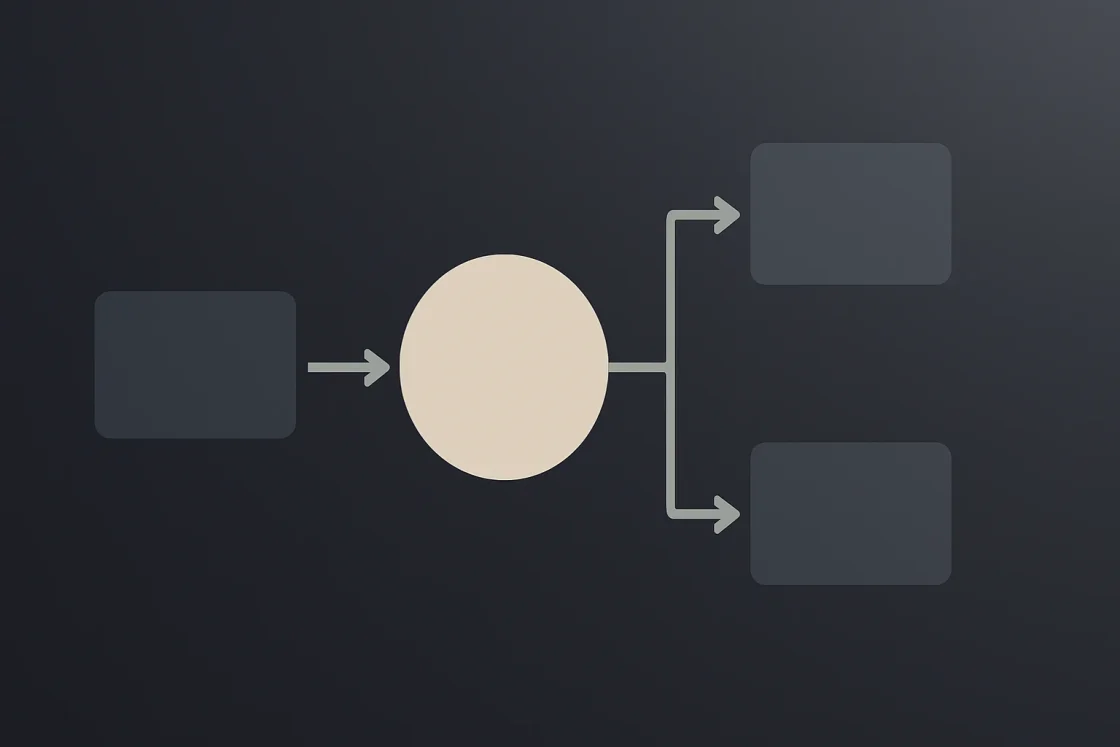
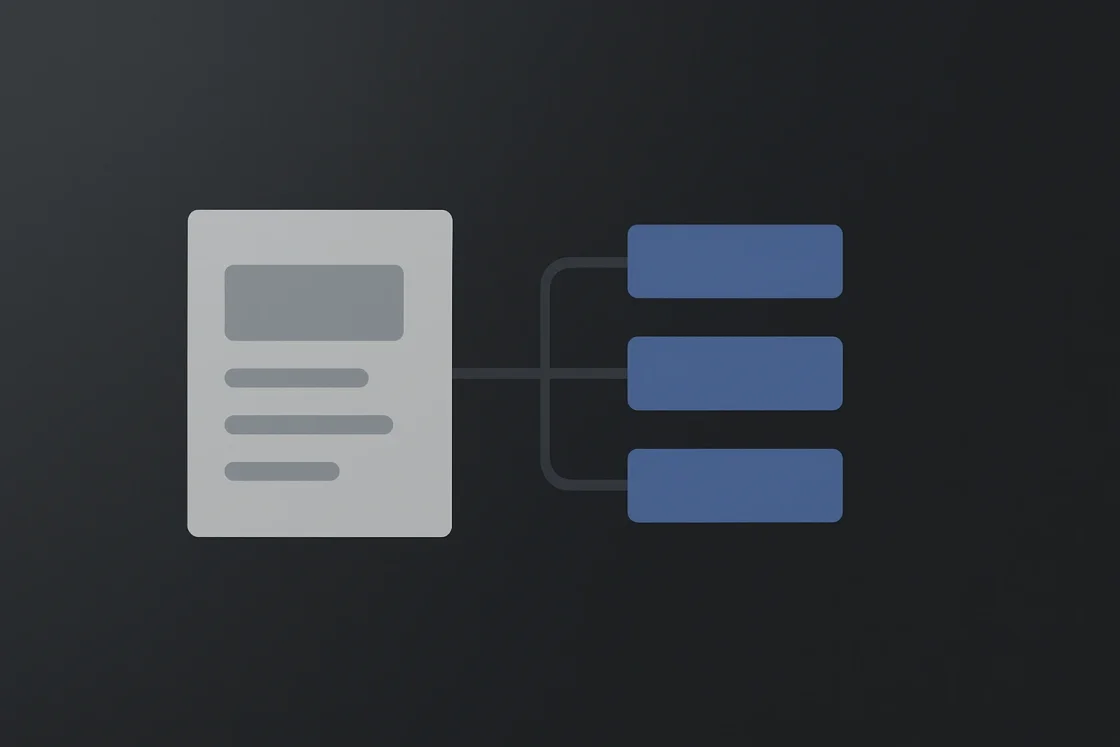
Enterprises once faced a stark choice: stick with monolithic WordPress for content teams or go fully headless for performance, often at the expense of usability. In 2026, the hybrid headless model is the new standard, positioning WordPress as a central content hub that powers diverse frontends via APIs like GraphQL or REST.
This approach lets marketing pages thrive on block themes for intuitive editing, while interactive dashboards or mobile apps pull data seamlessly. As noted in industry blueprints, the question evolves from “Should we go headless?” to “Which customer journey parts need decoupling?” This targeted strategy minimizes complexity while maximizing speed and security.
Real-World Wins: Pasqal’s Quantum Leap with WordPress VIP
Consider quantum computing firm Pasqal, which migrated to WordPress VIP. Their Core Web Vitals scores soared from 66 to 90, with Total Blocking Time dropping from 70ms to 0 and Cumulative Layout Shift to 0. The result? Faster time-to-market for landing pages and ironclad security for sensitive tech sectors.
Similarly, Cox Automotive achieved 70-80% code reuse across brand sites, 21% faster performance, 103% higher engagement, and 100% more leads. These case studies prove enterprise WordPress scales ecosystems without proprietary pitfalls.
CMS Trends Favoring WordPress: Dominance in a Stabilized Market
CMS trends in 2026 highlight WordPress’s maturity. It commands 43% of the web, with 58% share among the top 10,000 traffic sites—eclipsing Wix, Shopify, and even Drupal in high-stakes environments. Growth has stabilized post-2022, signaling market saturation rather than decline, per the HTTP Archive’s 2025 Web Almanac.
Version adoption is strong: 88% on 6.x, reflecting community agility. The shift from third-party builders like Elementor to native Block Editor underscores native tools’ rise, reducing bloat and boosting performance.
- Performance-First: Core Web Vitals are non-negotiable; enterprises leverage edge computing on Cloudflare or Vercel.
- AI Integration: Tools automate content and workflows, aligning with business growth.
- Accessibility & Mobile: Now core, not add-ons.
For eCommerce, WooCommerce scales seamlessly with CRMs and payments, adapting to business needs rather than vice versa.
Performance and Hosting: Why Infrastructure Matters in 2026
2026 CMS trends emphasize performance as quality’s hallmark. Enterprises pair WordPress with optimized hosting like Kinsta, which offers auto-scaling, advanced caching, and CDN integration. This setup handles peaks—like product launches—reducing origin server load and slashing wait times for global traffic.
Hosting Trends Driving the Shift
- Edge Computing & Caching: Shorter TTFB, more headroom for traffic spikes.
- Platform-Native Features: Backups, staging, and security from hosts like RaidBoxes, curbing plugin zoos.
- Sustainability: Green hosting appeals to eco-conscious enterprises.
Hybrid setups shine here: WordPress as backend for multichannel campaigns or apps, frontend decoupled for speed. At Belov Digital, we integrate these with our 2026 trends playbook, ensuring clients stay ahead.
Enterprise Case Studies: From NASA to News Giants
The “WordPress isn’t enterprise-ready” myth shattered when NASA and the White House adopted it. Today, Al Jazeera, News Corp, and Penske Media thrive on it. These aren’t anomalies—60% of CMS sites run WordPress.
In our work, a UK retailer cut costs 40% migrating from a proprietary CMS, gaining WooCommerce scalability. A Canadian enterprise used hybrid headless for kiosks, boosting engagement 50%. Read more in our blog series.
Security and Scalability Perks
WordPress VIP and managed hosts provide enterprise-grade security. Native Gutenberg Phase 4 multilingual support in 2026 cores simplifies global ops. No more rigid proprietary lock-in—open innovation rules.
Cost Savings and ROI: The Financial Imperative
Proprietary CMSes drain budgets with licenses and custom dev. Enterprise WordPress slashes this: open-source means no vendor fees, vast plugins cut dev time, and hybrid models reuse 70-80% code. Enterprises save millions while accelerating launches.
Pair with WPZoom themes or WebDevStudios expertise for optimized builds. For automation, explore EdgeNRoots insights on 2026 must-haves.
Overcoming Migration Hurdles: A Step-by-Step Guide
Transitioning to enterprise WordPress requires planning:
- Audit Current Stack: Identify decoupling needs.
- Choose Hosting: Kinsta for speed, rtCamp for ecosystems.
- Implement Hybrid: Block themes + APIs.
- Test Core Vitals: Aim for 90+ scores.
- Train Teams: Full Site Editing mastery.
Belov Digital’s discovery process streamlines this, with 21% faster launches guaranteed.
Future-Proofing with Emerging CMS Trends
2026 brings AI-powered editing, native accessibility, and plugin reduction via platform features. WordPress leads CMS trends, powering business growth from marketing sites to headless eCommerce. As Southwave Soft notes, thoughtful implementation aligns it perfectly with goals.
Enterprises moving back aren’t regressing—they’re embracing a platform that’s evolved beyond competitors. With 43.2% web dominance and enterprise proofs like Cox, the choice is clear.
Ready to optimize your digital ecosystem? Partner with Belov Digital Agency for a custom enterprise WordPress roadmap. Contact us today to discuss your 2026 strategy and unlock performance that drives revenue.