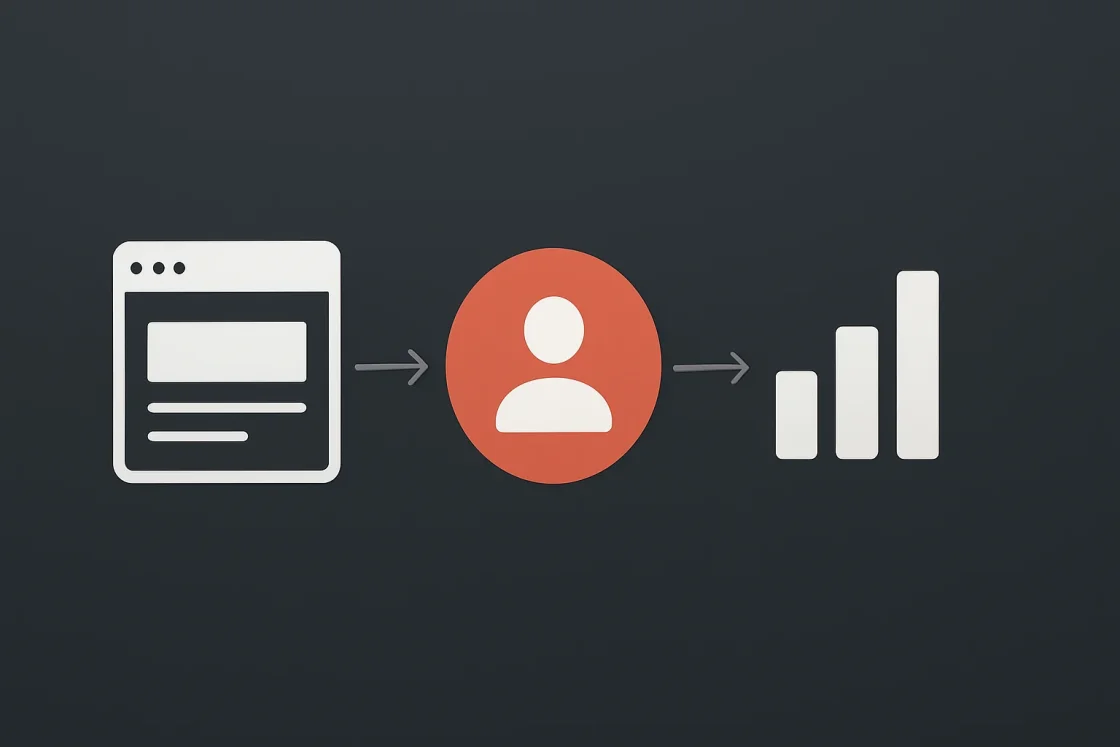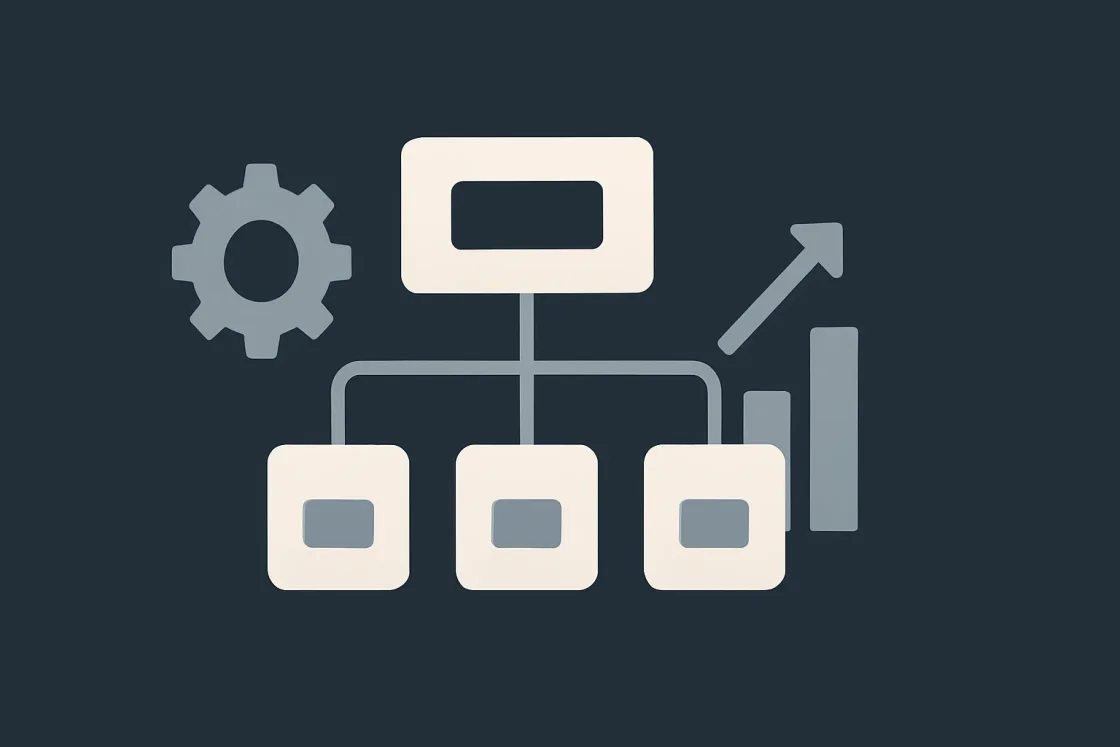


Building enterprise websites that drive measurable results requires a strategic approach focused on user experience, trust signals, and data-driven optimization, especially when targeting the complex needs of B2B buyers and large organizations.
Unlocking Success Through Strategic Enterprise Design
The landscape of enterprise website conversion has shifted dramatically. In today’s digital ecosystem, where a single click can cost millions in potential revenue, the difference between a standard corporate site and a high-converting enterprise platform lies in the precision of its design, the clarity of its messaging, and the depth of its technical execution. For agencies like Belov Digital, targeting the USA, UK, and Canada markets, the goal is not just to build a website but to create a digital engine that consistently converts high-value leads.
Enterprise buyers are not impulsive shoppers; they are researchers, analysts, and decision-makers who require concrete evidence, scalability assurances, and compliance guarantees. This makes the enterprise website conversion process a delicate balance of reducing friction while increasing the perceived value of your solution. To succeed, you must understand the psychology of your target audience, optimize every element for performance, and leverage advanced analytics to refine your approach continuously.
Why Traditional Tactics Fail in the Enterprise Sphere
Many organizations attempt to apply B2C growth tactics to their enterprise sites, resulting in poor conversion rates. Generic CTAs like “Buy Now” or vague headlines fail to resonate with C-suite executives who need to justify their investments. Instead, successful enterprise sites focus on showing rather than telling, using real-world data, case studies, and ROI metrics to validate their claims. As noted by experts at Grafit Agency, highlighting enterprise-specific features and addressing scalability concerns directly are critical for winning trust.
Furthermore, the technical buyer plays a massive role in the enterprise decision-making process. These users need to see architecture diagrams, integration capabilities, and security protocols. Ignoring their needs can stall a deal before it even reaches the executive team. This is why enterprise website conversion requires a dual-layer messaging strategy that appeals to both business leaders and technical experts.
Mastering the User Experience for Maximum Impact
User experience (UX) is the foundation of any high-converting website. For enterprise sites, UX goes beyond aesthetics; it involves creating intuitive navigation, logical information flow, and seamless interactions that guide users toward their desired outcome. A cluttered interface or confusing navigation structure can increase cognitive load and cause users to abandon the site. According to Codilar, focusing on improving mobile experience, page loading time, and navigation is essential for optimizing the conversion rate.
Optimizing Navigation and Information Flow
Enterprise sites often contain vast amounts of information, making intuitive navigation a priority. Users must be able to find what they are looking for without getting lost in a maze of submenus. Key strategies include:
- Clear Categorization: Use intuitive categories that align with how users think about their problems and solutions.
- Search Functionality: Implement a robust search function to help users with high purchase intent quickly locate specific content.
- Homepage Clarity: Ensure the homepage offers easy access to crucial pages, avoiding clutter and focusing on key value propositions.
As The Hoop Studio highlights, starting with a powerful headline and using short, skimmable paragraphs helps users absorb information quickly. When it comes to forms, less is more; only ask for the information you absolutely need to reduce friction.
Mobile-First Design: A Non-Negotiable Requirement
With the increasing use of mobile devices in professional settings, a mobile-first design is critical for enterprise website conversion. Enterprise buyers often review sites on their phones during commutes, meetings, or travel. A site that doesn’t perform well on small screens can lose potential clients. Experts recommend using mobile-responsive designs, collapsible menus (like hamburger menus), and optimizing every element for mobile, including tap-friendly CTA buttons.
According to Optimizely, optimizing for mobile devices is one of the top CRO best practices. This means ensuring that text is readable, buttons are large enough to tap, and navigation is simple on small screens. A delay of even one second in mobile load times can significantly hurt conversions, so performance optimization is paramount.
Building Trust and Credibility Through Strategic Elements
In the enterprise world, trust is the currency of conversion. Large organizations are risk-averse; they need to be convinced that your solution is safe, reliable, and capable of delivering results. Without trust signals, even the most well-designed site will struggle to convert. Evidence, testimonials, and social proof are essential for building this trust.
The Power of Social Proof and Case Studies
Social proof is one of the most effective tools for increasing enterprise website conversion. Featuring enterprise-focused case studies with meaningful ROI metrics provides concrete evidence that your solution works for businesses similar to theirs. As Grafit Agency points out, enterprise buyers need concrete evidence to support their business cases.
Additionally, including logos of current enterprise customers strategically on your site reinforces credibility. These logos act as visual endorsements, signaling that other reputable companies trust your solution. Matomo emphasizes that adding trust signals like customer testimonials, case studies, and industry badges can transform conversion rates.
Addressing Scalability, Reliability, and Compliance
Enterprise buyers are deeply concerned with scalability, reliability, and compliance. They need to know that your solution can grow with their business, handle high volumes of data, and meet strict regulatory standards. Addressing these concerns directly on your site is crucial. Include high-level architecture diagrams for technical buyers and clearly explain your compliance certifications (e.g., SOC 2, ISO 27001, GDPR).
As noted by Grafit Agency, addressing scalability, reliability, and compliance concerns directly is a key strategy for winning enterprise clients. This transparency builds confidence and reduces the perceived risk of adoption.
Driving Conversions with Data-Driven Optimization
Optimizing for enterprise website conversion is not a one-time task; it requires continuous monitoring, testing, and refinement. By leveraging data from analytics tools, heatmaps, and A/B tests, you can identify areas of improvement and make informed decisions to boost conversion rates. This data-driven approach ensures that your site evolves in response to user behavior and market trends.
A/B Testing: The Key to Finding What Works
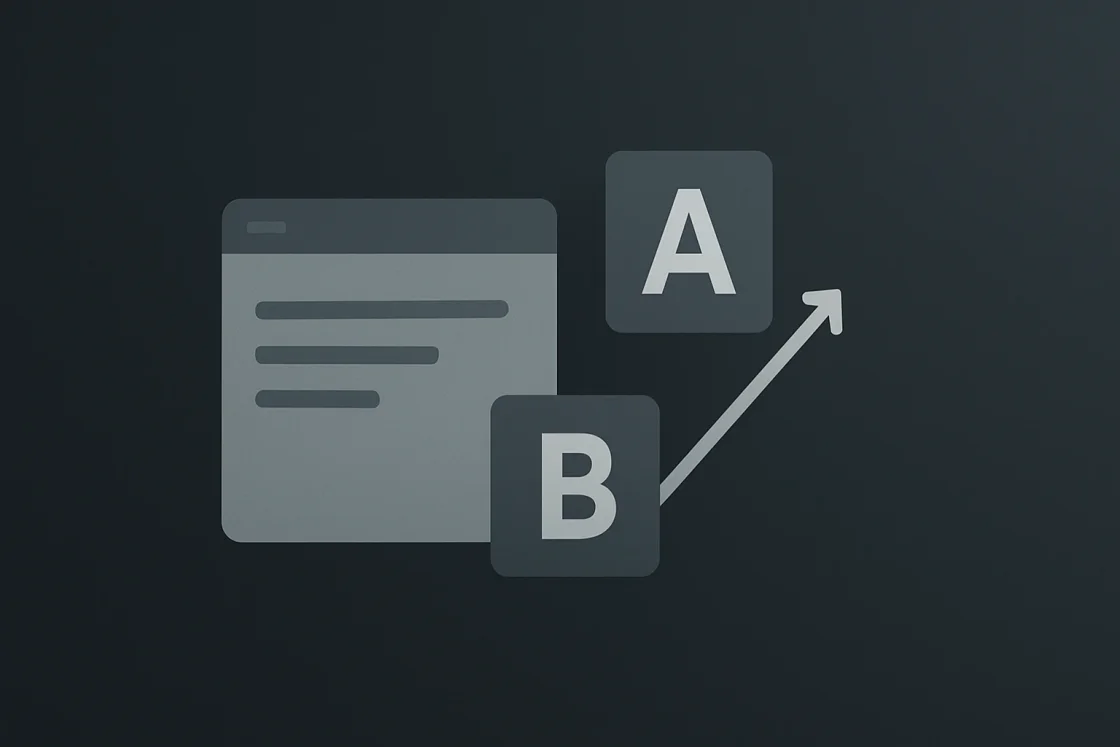
A/B testing is a fundamental practice for improving conversion rates. By comparing different versions of headlines, CTAs, button colors, and page layouts, you can determine which elements resonate best with your audience. Codilar recommends running A/B tests to identify the best version of your landing page to optimize the conversion rate.
When conducting A/B tests, it’s crucial to ensure that every test reaches a statistically significant sample size. Don’t stop tests prematurely; allow them to run until you have enough data to make a confident decision. As Matomo advises, making sure every A/B and multivariate test reaches a sample size that makes the test statistically significant is essential for reliable results.
Using Heatmaps and Analytics to Understand User Behavior
Heatmaps and analytics tools provide invaluable insights into how users interact with your site. Codilar highlights that employing heatmaps effectively allows you to spot high engagement areas and identify elements that need optimization. By spotting what sections and elements are being ignored by users, you can optimize them to improve conversion.
Tools like Google Analytics 4, Hotjar, and Crazy Egg help you understand the “why” behind user actions. Group107 recommends implementing robust analytics to properly configure event-based tracking and complementing it with qualitative tools like heatmaps and session recordings. This dual approach helps you analyze conversion funnels and identify the biggest drop-off points in your user journey.
Engineering Performance and Speed for Success
Performance is a critical factor in enterprise website conversion. Slow loading times frustrate users and increase abandonment rates. In the enterprise sphere, where time is a valuable resource, a delay of even a few seconds can cost you a potential deal. Optimizing your site for speed is not just a technical preference; it’s a business necessity.
Optimizing Page Load Times
To improve page load times, consider the following strategies:
- Compress Images: Use modern image formats (like WebP) and compress images without losing quality.
- Minify Code: Reduce the size of CSS, JavaScript, and HTML files by removing unnecessary characters and whitespace.
- Remove Unnecessary Plugins: Audit your plugins and remove those that are not essential or are slowing down your site.
- Use a Content Delivery Network (CDN): Distribute your content across multiple servers to ensure fast delivery to users worldwide.
- Improve Hosting: Choose a high-performance hosting provider that can handle enterprise-level traffic.
According to Matomo, using the page load time metric on the page performance report helps identify pages that need optimization. Mobile load times under three seconds are crucial, as even a one-second delay can significantly hurt conversions.
Core Web Vitals and Technical Performance
Google’s Core Web Vitals (Largest Contentful Paint, First Input Delay, and Cumulative Layout Shift) are key indicators of your site’s performance. Group107 advises monitoring these vitals to ensure your site meets Google’s standards. Optimizing images, minifying code, and leveraging browser caching are essential steps to achieve these targets.
For enterprise clients, technical performance is a non-negotiable requirement. A site that fails to meet Core Web Vitals can negatively impact your SEO and user experience, leading to lower conversion rates. By prioritizing performance, you ensure that your site is fast, reliable, and user-friendly.
Creating Compelling Content and Messaging
Content is the heart of your enterprise website. It’s what tells your story, explains your value, and persuades users to take action. For enterprise website conversion, your content must be specific, outcome-oriented, and aligned with the language your audience uses. Vague claims and generic messaging fail to resonate with B2B buyers who need concrete evidence of results.
Speaking to Your Target Audience
To effectively reach your target audience, create an avatar of your ideal customer and clearly define why they need your service. Alecan Marketing emphasizes speaking to your target audience by using their exact language to describe their problems and desired outcomes. This builds instant rapport and makes your message more persuasive.
Use the customer’s voice by analyzing customer reviews, support tickets, and sales calls. Incorporate this language directly into your headlines and copy to build trust. As Group107 suggests, using the customer’s voice helps you understand the exact language your audience uses, making your content more effective.
Being Specific and Outcome-Oriented
Be specific and outcome-oriented in your messaging. Vague claims like “the best solution” are meaningless. Instead, quantify the benefit by providing concrete numbers and metrics. For example, instead of saying “we increase efficiency,” say “we increase efficiency by 30%.” Group107 highlights that being specific and outcome-oriented is a key conversion rate optimization best practice.
Focus on showing rather than telling. Use real-world examples, case studies, and ROI metrics to validate your claims. This approach builds trust and demonstrates the tangible value of your solution. As Grafit Agency notes, highlighting enterprise-specific features and addressing scalability concerns directly are critical for winning enterprise clients.
Implementing Effective Call-to-Actions (CTAs)
Call-to-actions (CTAs) are the final push that guides users toward conversion. For enterprise website conversion, your CTAs must be clear, action-oriented, and strategically placed. Generic CTAs like “Submit” or “Buy Now” fail to engage B2B buyers who need to understand the value of their next step.
Designing Action-Oriented CTAs
Strong CTAs should answer “what’s in it for me?” and use action verbs. Think “Get my free consultation” instead of “Submit.” FormAssembly recommends using action verbs and making the button bold and easy to spot. Action-oriented CTAs like “Get Started Now” or “Claim Your Offer” are more effective than generic ones.
Ensure your CTAs have contrasting colors to stand out on the page. Place them above the fold on your site to get maximum visibility. As Group107 advises, ensuring prominent placement of your primary CTA above the fold where it is immediately visible without scrolling is crucial for higher conversion rates.
Strategic Placement and Repetition
For longer pages, repeat the CTA in relevant sections to provide multiple conversion opportunities as the user gains more information. Group107 suggests establishing a clear visual hierarchy with one primary CTA that is visually dominant. Secondary actions, like “Learn More,” should be styled as less prominent text links or ghost buttons to avoid distracting from the main conversion goal.
Place trust signals strategically near your primary CTAs. This reinforces the value of your offer and reduces the perceived risk of converting. As Group107 notes, placing social proof elements near your primary CTAs helps build trust and increase conversion rates.
Conclusion: Elevating Your Enterprise Site for Success
Designing high-converting enterprise sites is a multifaceted process that requires a deep understanding of your audience, a focus on performance and trust, and a commitment to continuous optimization. By implementing the best practices outlined in this guide, you can transform your enterprise website into a powerful tool for driving enterprise website conversion and achieving your business goals.
At Belov Digital, we specialize in creating enterprise websites that deliver measurable results for our clients in the USA, UK, and Canada. Our team of experts combines strategic design, data-driven optimization, and cutting-edge technology to build sites that convert. Whether you need to improve your UX, enhance your content, or optimize your performance, we have the expertise to help you succeed.
If you’re ready to take your enterprise website to the next level, don’t hesitate to reach out. Contact Us today to discuss how we can help you achieve your conversion goals. And if you’re looking for a reliable hosting partner to ensure your site performs at its best, consider Kinsta. We’re affiliated with them, and their platform is perfect for enterprise-grade websites that require speed, security, and scalability.
Remember, the journey to high conversion doesn’t end with a single design. It’s an ongoing process of testing, learning, and improving. By staying ahead of the curve and embracing the latest trends and technologies, you can ensure your enterprise site remains a leader in the digital marketplace.
For more insights on enterprise website design and optimization, explore our other blog posts on Belov Digital. Whether you’re looking for tips on SEO, content marketing, or technical performance, we have the resources to help you succeed. Don’t miss out on the opportunity to elevate your enterprise site and drive real results. Let’s work together to build a website that stands out and converts.