



Core Web Vitals for Enterprise Sites
TL;DR — Core Web Vitals for enterprise sites in 2026: targets remain LCP...


TL;DR — Core Web Vitals for enterprise sites in 2026: targets remain LCP...
TL;DR — Migrating to enterprise WordPress: (1) audit source system — content models, URLs, taxonomies, users, custom fields; (2) build target WP with custom post types matching source data models; (3) migrate content...
TL;DR — WordPress fits well for the marketing/content/docs layer of a SaaS platform — but not for the product UI itself. Common hybrid: WordPress for /, /blog/, /docs/, /pricing/, /careers/ + custom app (Laravel, Rai...
TL;DR — API-first WordPress strategy treats WordPress as a content backend serving multiple frontends (web + mobile + voice + partner integrations) via REST or GraphQL. Decisions: (1) REST API (built-in, simpler) vs WP...
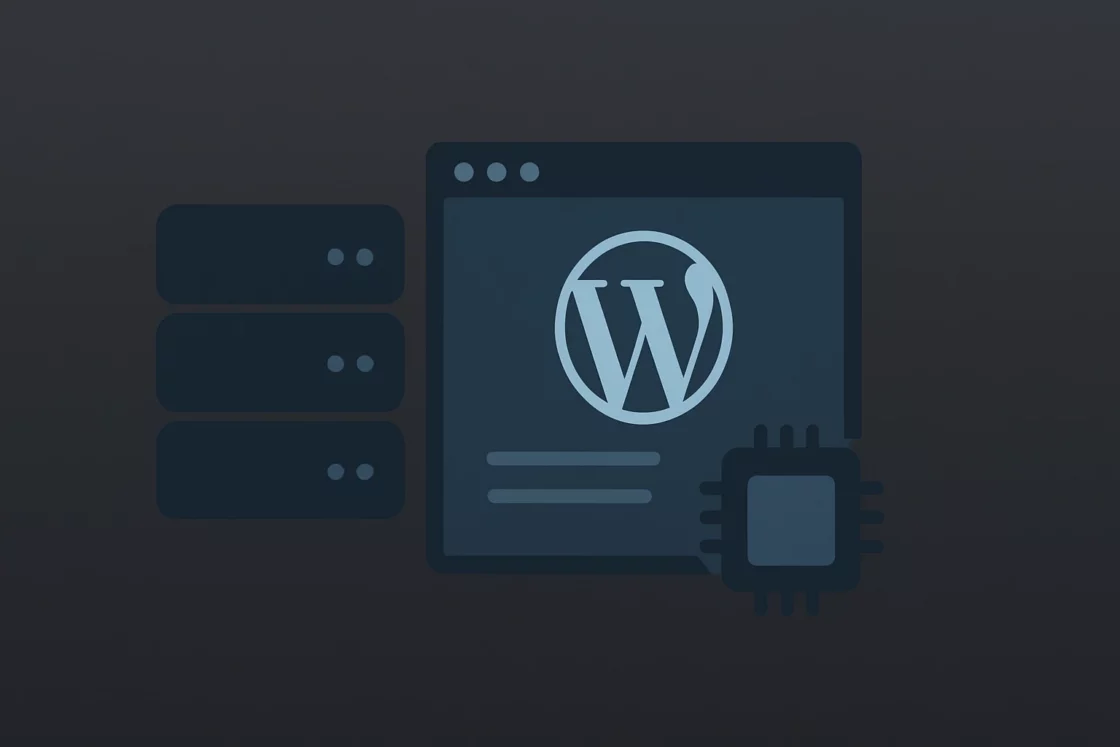
TL;DR — Enterprise WordPress tech stack reference architecture for 2026: (1) Hosting: WP VIP, WP Engine Enterprise, Pantheon Gold, or Kinsta Enterprise; (2) PHP 8.3 + MySQL 8 / MariaDB 10.11; (3) Object cache: Redis cl...
TL;DR — WordPress in regulated industries (HIPAA healthcare, financial services, legal) requires: (1) hosting on compliance-certified infrastructure (WP Engine has HIPAA-eligible plans, AWS HIPAA-eligible services, Pan...

TL;DR — To scale enterprise WooCommerce stores in 2026: (1) enable HPOS (High-Performance Order Storage) — moves orders to dedicated tables, removes wp_posts bottleneck, (2) Redis object cache (Redis Object Cache plu...

TL;DR — WordPress performance budgeting means setting hard limits on page weight, JS execution, and Core Web Vitals — then enforcing them in CI/CD. Recommended budgets: LCP...
TL;DR — SOC 2 compliance for WordPress requires: (1) hosting on SOC 2-certified infrastructure (WP VIP, WP Engine Enterprise, Pantheon Gold, or AWS/GCP with proper controls), (2) SSO + 2FA for all admin access, (3) com...
TL;DR — WordPress disaster recovery planning requires defined RTO (recovery time objective) and RPO (recovery point objective) targets. For enterprise: RTO...
TL;DR — Enterprise WordPress maintenance strategy should include: (1) dedicated team (not shared retainer) with named lead engineer, (2) 24/7 monitoring (Pingdom, UptimeRobot, Datadog) with on-call rotation, (3) SLA-ba...
TL;DR — WordPress load balancing setup: (1) choose LB — Nginx (lightweight, good for small setups), HAProxy (battle-tested, advanced rules), AWS ALB / GCP LB (managed, easiest); (2) deploy 2+ WP nodes behind LB, shar...
TL;DR — A high availability WordPress setup uses multiple web nodes behind a load balancer, sharing state via: (1) MySQL primary + 1-2 read replicas with automatic failover (RDS, Aurora, GCP CloudSQL), (2) shared file ...
TL;DR — WordPress governance in large teams requires: (1) granular role-based permissions (Members or User Role Editor plugin), (2) editorial workflow with multi-stage approval (PublishPress Pro or Edit Flow), (3) audi...
TL;DR — Enterprise WordPress security checklist: (1) PHP 8.2+, latest WP core, (2) 2FA on all admin accounts, (3) SSO integration with corporate IdP, (4) WAF (Wordfence, Sucuri, Cloudflare), (5) automated daily off-sit...