

In the rapidly evolving digital landscape, businesses are increasingly adopting innovative strategies to build scalable, flexible, and future-proof web applications. An API-first WordPress strategy stands out as a transformative approach, decoupling your content management from the frontend presentation to unlock unprecedented possibilities for multi-channel experiences. At Belov Digital Agency, we’ve helped numerous clients in the USA, UK, and Canada harness this methodology to create dynamic sites that perform across devices and platforms.
This comprehensive guide dives deep into the API-first WordPress approach, exploring its principles, implementation steps, security considerations, real-world benefits, and practical case studies. Whether you’re a developer, agency owner, or business leader, you’ll gain actionable insights to elevate your WordPress projects.
Understanding the Core Principles of API-First Development in WordPress
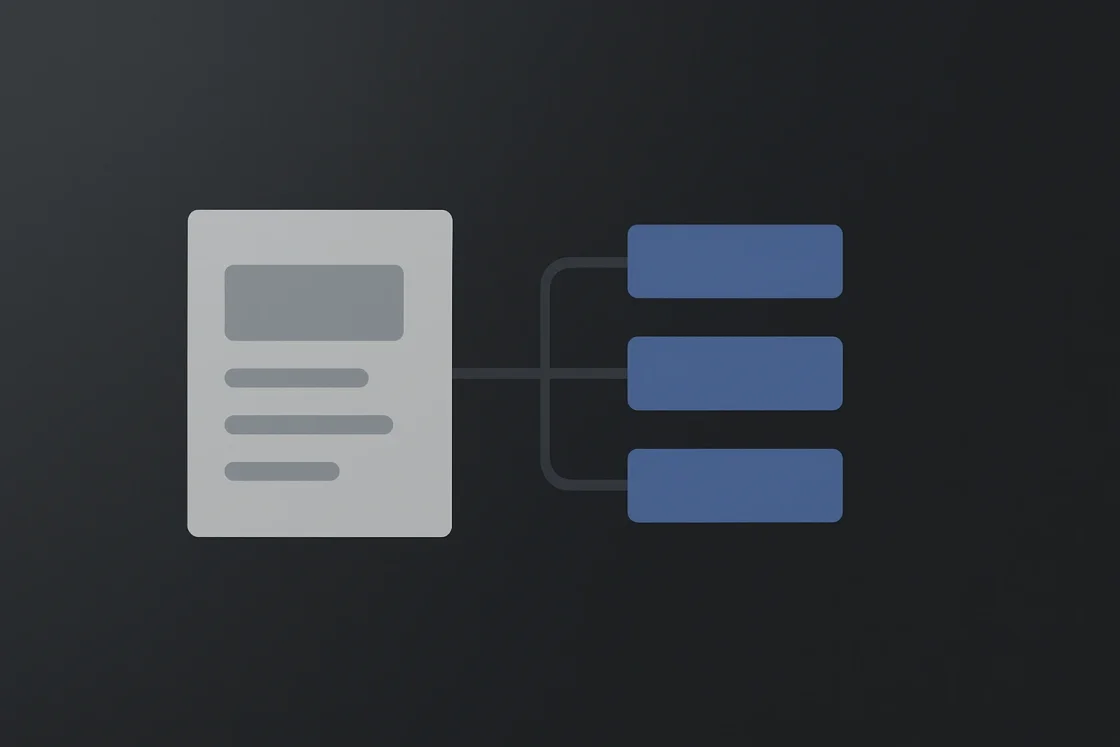
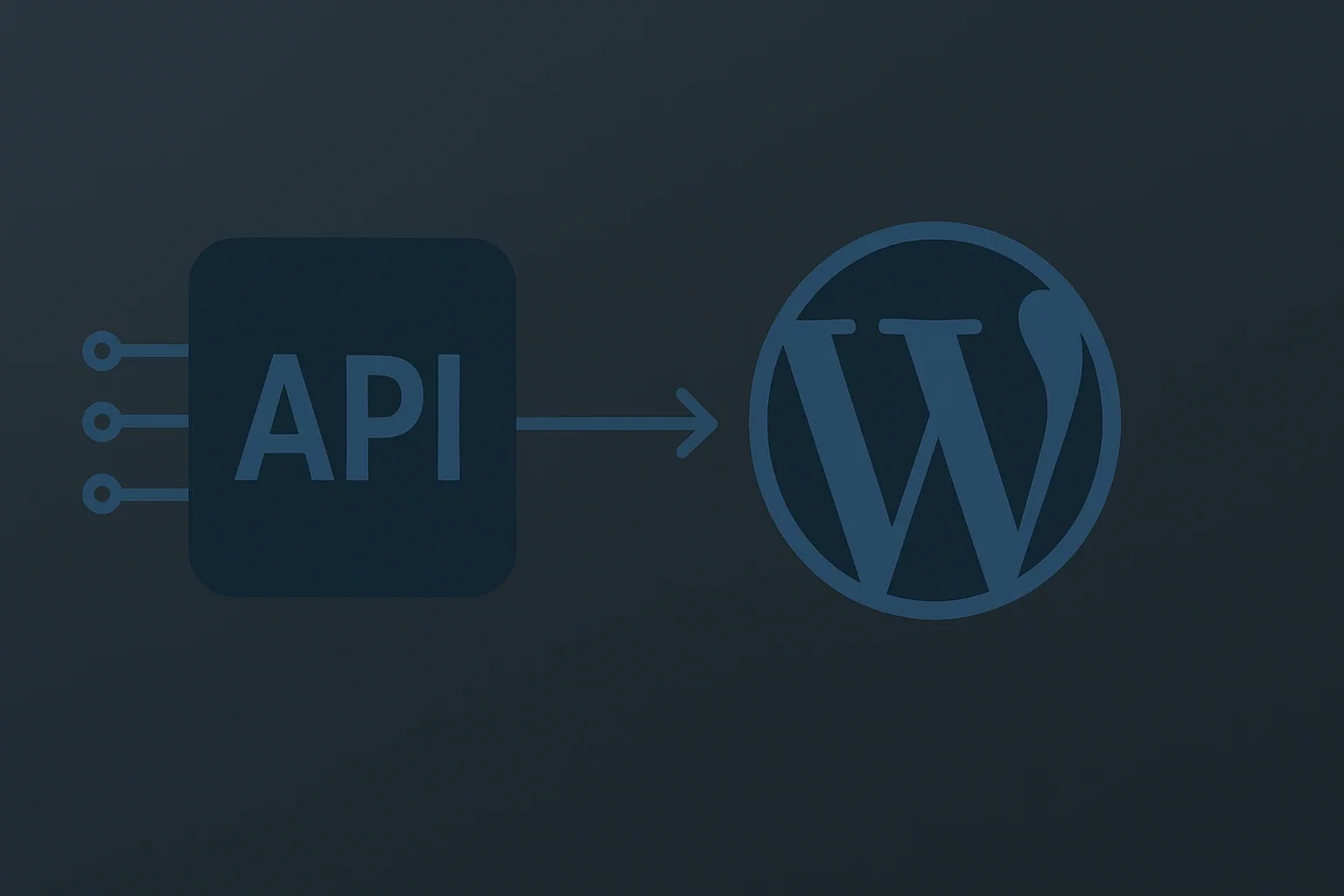
The API-first WordPress strategy prioritizes designing and building APIs before any frontend implementation. This means treating your WordPress site as a robust backend data source, leveraging the built-in WordPress REST API to serve content via JSON endpoints. Core principles include consistency across services, scalability as a priority, collaboration through documentation, flexibility for multiple platforms, and security by design.
Why Shift from Traditional WordPress to API-First?
Traditional WordPress relies on PHP templates tightly coupled to the database, limiting scalability and multi-platform support. In contrast, an API-first WordPress model allows frontend teams to build with modern frameworks like React, Vue.js, or Next.js independently. This parallel development reduces bottlenecks, enabling faster iteration cycles and shorter time-to-market.
For instance, backend developers can refine data processing and integrations while frontend teams prototype user interfaces using mock APIs. This separation of concerns is a game-changer, as highlighted in industry resources on API-first content management.
Key Benefits for Scalability and Flexibility
- Parallel Development: Frontend and backend teams work simultaneously without dependencies.
- Scalability: APIs handle growing workloads seamlessly, supporting mobile apps, PWAs, and IoT devices.
- Cost Efficiency: Reusable APIs minimize rework, lowering long-term maintenance costs.
- Better Developer Experience: Well-documented APIs streamline workflows with tools like Postman for testing.
Businesses adopting this strategy report up to 40% faster feature rollouts, making it ideal for eCommerce, content-heavy sites, and enterprise applications.
Setting Up Your API-First WordPress Environment
Transitioning to an API-first WordPress strategy starts with a solid foundation. Choose high-performance hosting like Kinsta, optimized for WordPress with built-in caching and global CDN. Pair it with plugins such as Advanced Custom Fields (ACF) for structured content and JWT Authentication for WP REST API for secure endpoints.
Step-by-Step Implementation Guide
- Enable and Extend WordPress REST API: The core REST API is available out-of-the-box since WordPress 4.7. Extend it by registering custom endpoints in your theme’s functions.php or a custom plugin.
- Design API Contracts: Use tools like Swagger or OpenAPI specifications to define endpoints, parameters, and responses before coding.
- Implement Authentication: Opt for OAuth 2.0, JWT, or Application Passwords. For WordPress.com sites, follow the full OAuth flow for granular permissions.
- Secure Endpoints: Enforce HTTPS, CORS policies, rate limiting, and input sanitization to prevent vulnerabilities.
- Host on Scalable Infrastructure: Deploy on managed WordPress hosts like WP Engine for automatic scaling.
- Frontend Decoupling: Build headless frontends with Next.js or Nuxt.js, fetching data via API calls.
Here’s a sample code snippet for registering a custom REST endpoint in WordPress:
function register_custom_endpoint() {
    register_rest_route('belov-digital/v1', '/posts/(?P<id>\d+)', array(
        'methods' => 'GET',
        'callback' => 'get_custom_post',
        'permission_callback' => '__return_true',
    ));
}
add_action('rest_api_init', 'register_custom_endpoint');

function get_custom_post($data) {
    $post = get_post($data['id']);
    return rest_ensure_response($post);
}
This endpoint retrieves a post by ID, ready for consumption by any frontend.
Security Best Practices for API-First WordPress Sites
Security is non-negotiable in an API-first WordPress setup. Exposing endpoints publicly demands robust protections. Implement JSON Web Tokens (JWT) for stateless authentication, API keys with rate limiting, and role-based access control (RBAC).
Essential Security Measures
- Authentication Methods: Use OAuth 2.0 for third-party apps or Application Passwords for internal use.
- Endpoint Hardening: Validate inputs, sanitize outputs, and use prepared statements to thwart SQL injection and XSS.
- CORS and Headers: Configure Cross-Origin Resource Sharing and security headers like Content-Security-Policy.
- Monitoring Tools: Integrate Query Monitor and logging plugins for real-time debugging.
- Regular Audits: Schedule security scans with tools from Wordfence.
Read our detailed guide on WordPress REST API security for advanced tips.
Real-World Case Studies: API-First WordPress Success Stories
At Belov Digital, we’ve implemented API-first WordPress for diverse clients. Consider a USA-based eCommerce brand that migrated to a headless setup: their site now powers a React Native mobile app, Vue.js storefront, and IoT kiosks, reducing load times by 60% and boosting conversions.
Case Study 1: Financial Services Firm
A UK fintech company used API-first principles to standardize third-party integrations. By creating reusable endpoints, they cut integration costs by 50% and enabled parallel development across teams. Hosting on Kinsta ensured sub-100ms response times globally.
Case Study 2: Canadian Media Publisher
A content-heavy publisher decoupled their WordPress backend from a legacy theme, building a Next.js frontend. This allowed omnichannel delivery—web, app, newsletters—while maintaining editorial workflows. Time-to-market for new features dropped from weeks to days.
These examples mirror broader trends, where API-first strategies drive agility and innovation.
Advanced Techniques and Tools for API-First Mastery
Elevate your API-first WordPress projects with advanced tools. Use Strapi as a complementary headless CMS for complex content models, or Gutenberg blocks extended via REST API for dynamic experiences.
Performance Optimization
- Implement GraphQL with WPGraphQL for efficient querying.
- Leverage caching layers like Redis on Cloudflare.
- Automate deployments with GitHub Actions.
Follow WP Engine’s developer best practices for maintainable code adhering to WordPress standards.
Common Challenges and How to Overcome Them
While powerful, API-first WordPress isn’t without hurdles. Overcome documentation gaps by auto-generating specs with Swagger. Address versioning by maintaining backward compatibility in endpoints. For teams lacking expertise, partner with specialists—contact us at Belov Digital for tailored support.
Future-Proofing Your WordPress with API-First
As web technologies advance, an API-first WordPress strategy positions you for emerging trends like Web3 integrations, AI-driven content, and edge computing. By prioritizing APIs, your site evolves from a static blog to a versatile content hub.
In summary, embracing API-first transforms WordPress into a scalable powerhouse. Start by auditing your current setup, prototyping endpoints, and decoupling your frontend. Ready to implement? Our team at Belov Digital Agency delivers custom API-first WordPress solutions—get in touch today for a free consultation and build the future of your digital presence.
TL;DR — API-first WordPress strategy treats WordPress as a content backend serving multiple frontends (web + mobile + voice + partner integrations) via REST or GraphQL. Decisions: (1) REST API (built-in, simpler) vs WPGraphQL (more efficient, single-request joins); (2) authentication — Application Passwords (built-in), JWT, OAuth 2.0; (3) custom endpoints for non-standard data via register_rest_route(); (4) rate limiting via Cloudflare or WAF; (5) caching strategy — REST responses cached by URL, GraphQL needs Apollo or custom; (6) versioning strategy if exposing to third parties. Best for: multi-channel publishing, mobile app backends, partner content syndication.
In the rapidly evolving digital landscape, businesses are increasingly adopting innovative strategies to build scalable, flexible, and future-proof web applications. An API-first WordPress strategy stands out as a transformative approach, decoupling your content management from the frontend presentation to unlock unprecedented possibilities for multi-channel experiences. At Belov Digital Agency, we’ve helped numerous clients in the USA, UK, and Canada harness this methodology to create dynamic sites that perform across devices and platforms.
This comprehensive guide dives deep into the API-first WordPress approach, exploring its principles, implementation steps, security considerations, real-world benefits, and practical case studies. Whether you’re a developer, agency owner, or business leader, you’ll gain actionable insights to elevate your WordPress projects.
Understanding the Core Principles of API-First Development in WordPress
The API-first WordPress strategy prioritizes designing and building APIs before any frontend implementation. This means treating your WordPress site as a robust backend data source, leveraging the built-in WordPress REST API to serve content via JSON endpoints. Core principles include consistency across services, scalability as a priority, collaboration through documentation, flexibility for multiple platforms, and security by design.
Why Shift from Traditional WordPress to API-First?
Traditional WordPress relies on PHP templates tightly coupled to the database, limiting scalability and multi-platform support. In contrast, an API-first WordPress model allows frontend teams to build with modern frameworks like React, Vue.js, or Next.js independently. This parallel development reduces bottlenecks, enabling faster iteration cycles and shorter time-to-market.
For instance, backend developers can refine data processing and integrations while frontend teams prototype user interfaces using mock APIs. This separation of concerns is a game-changer, as highlighted in industry resources on API-first content management.
Key Benefits for Scalability and Flexibility
- Parallel Development: Frontend and backend teams work simultaneously without dependencies.
- Scalability: APIs handle growing workloads seamlessly, supporting mobile apps, PWAs, and IoT devices.
- Cost Efficiency: Reusable APIs minimize rework, lowering long-term maintenance costs.
- Better Developer Experience: Well-documented APIs streamline workflows with tools like Postman for testing.
Businesses adopting this strategy report up to 40% faster feature rollouts, making it ideal for eCommerce, content-heavy sites, and enterprise applications.
Setting Up Your API-First WordPress Environment
Transitioning to an API-first WordPress strategy starts with a solid foundation. Choose high-performance hosting like Kinsta, optimized for WordPress with built-in caching and global CDN. Pair it with plugins such as Advanced Custom Fields (ACF) for structured content and JWT Authentication for WP REST API for secure endpoints.
Step-by-Step Implementation Guide
- Enable and Extend WordPress REST API: The core REST API is available out-of-the-box since WordPress 4.7. Extend it by registering custom endpoints in your theme’s functions.php or a custom plugin.
- Design API Contracts: Use tools like Swagger or OpenAPI specifications to define endpoints, parameters, and responses before coding.
- Implement Authentication: Opt for OAuth 2.0, JWT, or Application Passwords. For WordPress.com sites, follow the full OAuth flow for granular permissions.
- Secure Endpoints: Enforce HTTPS, CORS policies, rate limiting, and input sanitization to prevent vulnerabilities.
- Host on Scalable Infrastructure: Deploy on managed WordPress hosts like WP Engine for automatic scaling.
- Frontend Decoupling: Build headless frontends with Next.js or Nuxt.js, fetching data via API calls.
Here’s a sample code snippet for registering a custom REST endpoint in WordPress:
function register_custom_endpoint() {
    register_rest_route('belov-digital/v1', '/posts/(?P<id>\d+)', array(
        'methods' => 'GET',
        'callback' => 'get_custom_post',
        'permission_callback' => '__return_true',
    ));
}
add_action('rest_api_init', 'register_custom_endpoint');

function get_custom_post($data) {
    $post = get_post($data['id']);
    return rest_ensure_response($post);
}
This endpoint retrieves a post by ID, ready for consumption by any frontend.
Security Best Practices for API-First WordPress Sites
Security is non-negotiable in an API-first WordPress setup. Exposing endpoints publicly demands robust protections. Implement JSON Web Tokens (JWT) for stateless authentication, API keys with rate limiting, and role-based access control (RBAC).
Essential Security Measures
- Authentication Methods: Use OAuth 2.0 for third-party apps or Application Passwords for internal use.
- Endpoint Hardening: Validate inputs, sanitize outputs, and use prepared statements to thwart SQL injection and XSS.
- CORS and Headers: Configure Cross-Origin Resource Sharing and security headers like Content-Security-Policy.
- Monitoring Tools: Integrate Query Monitor and logging plugins for real-time debugging.
- Regular Audits: Schedule security scans with tools from Wordfence.
Read our detailed guide on WordPress REST API security for advanced tips.
Real-World Case Studies: API-First WordPress Success Stories
At Belov Digital, we’ve implemented API-first WordPress for diverse clients. Consider a USA-based eCommerce brand that migrated to a headless setup: their site now powers a React Native mobile app, Vue.js storefront, and IoT kiosks, reducing load times by 60% and boosting conversions.
Case Study 1: Financial Services Firm
A UK fintech company used API-first principles to standardize third-party integrations. By creating reusable endpoints, they cut integration costs by 50% and enabled parallel development across teams. Hosting on Kinsta ensured sub-100ms response times globally.
Case Study 2: Canadian Media Publisher
A content-heavy publisher decoupled their WordPress backend from a legacy theme, building a Next.js frontend. This allowed omnichannel delivery—web, app, newsletters—while maintaining editorial workflows. Time-to-market for new features dropped from weeks to days.
These examples mirror broader trends, where API-first strategies drive agility and innovation.
Advanced Techniques and Tools for API-First Mastery
Elevate your API-first WordPress projects with advanced tools. Use Strapi as a complementary headless CMS for complex content models, or Gutenberg blocks extended via REST API for dynamic experiences.
Performance Optimization
- Implement GraphQL with WPGraphQL for efficient querying.
- Leverage caching layers like Redis on Cloudflare.
- Automate deployments with GitHub Actions.
Follow WP Engine’s developer best practices for maintainable code adhering to WordPress standards.
Common Challenges and How to Overcome Them
While powerful, API-first WordPress isn’t without hurdles. Overcome documentation gaps by auto-generating specs with Swagger. Address versioning by maintaining backward compatibility in endpoints. For teams lacking expertise, partner with specialists—contact us at Belov Digital for tailored support.
Future-Proofing Your WordPress with API-First
As web technologies advance, an API-first WordPress strategy positions you for emerging trends like Web3 integrations, AI-driven content, and edge computing. By prioritizing APIs, your site evolves from a static blog to a versatile content hub.
In summary, embracing API-first transforms WordPress into a scalable powerhouse. Start by auditing your current setup, prototyping endpoints, and decoupling your frontend. Ready to implement? Our team at Belov Digital Agency delivers custom API-first WordPress solutions—get in touch today for a free consultation and build the future of your digital presence.