



Optimizing LCP in WordPress
TL;DR — To optimize LCP in WordPress to...


Master the world’s most popular content management system with the latest insights and tutorials on WordPress. Belov Digital Agency’s team of experts share their knowledge on how to use this powerful tool to create stunning, functional websites. Read our blog now.
TL;DR — To optimize LCP in WordPress to...

TL;DR — Core Web Vitals for enterprise sites in 2026: targets remain LCP...
TL;DR — Migrating to enterprise WordPress: (1) audit source system — content models, URLs, taxonomies, users, custom fields; (2) build target WP with custom post types matching source data models; (3) migrate content...
TL;DR — WordPress fits well for the marketing/content/docs layer of a SaaS platform — but not for the product UI itself. Common hybrid: WordPress for /, /blog/, /docs/, /pricing/, /careers/ + custom app (Laravel, Rai...
TL;DR — API-first WordPress strategy treats WordPress as a content backend serving multiple frontends (web + mobile + voice + partner integrations) via REST or GraphQL. Decisions: (1) REST API (built-in, simpler) vs WP...
TL;DR — Enterprise WordPress tech stack reference architecture for 2026: (1) Hosting: WP VIP, WP Engine Enterprise, Pantheon Gold, or Kinsta Enterprise; (2) PHP 8.3 + MySQL 8 / MariaDB 10.11; (3) Object cache: Redis cl...
TL;DR — WordPress in regulated industries (HIPAA healthcare, financial services, legal) requires: (1) hosting on compliance-certified infrastructure (WP Engine has HIPAA-eligible plans, AWS HIPAA-eligible services, Pan...

TL;DR — To scale enterprise WooCommerce stores in 2026: (1) enable HPOS (High-Performance Order Storage) — moves orders to dedicated tables, removes wp_posts bottleneck, (2) Redis object cache (Redis Object Cache plu...

TL;DR — WordPress performance budgeting means setting hard limits on page weight, JS execution, and Core Web Vitals — then enforcing them in CI/CD. Recommended budgets: LCP...
TL;DR — SOC 2 compliance for WordPress requires: (1) hosting on SOC 2-certified infrastructure (WP VIP, WP Engine Enterprise, Pantheon Gold, or AWS/GCP with proper controls), (2) SSO + 2FA for all admin access, (3) com...
TL;DR — WordPress disaster recovery planning requires defined RTO (recovery time objective) and RPO (recovery point objective) targets. For enterprise: RTO...
TL;DR — Enterprise WordPress maintenance strategy should include: (1) dedicated team (not shared retainer) with named lead engineer, (2) 24/7 monitoring (Pingdom, UptimeRobot, Datadog) with on-call rotation, (3) SLA-ba...
TL;DR — WordPress load balancing setup: (1) choose LB — Nginx (lightweight, good for small setups), HAProxy (battle-tested, advanced rules), AWS ALB / GCP LB (managed, easiest); (2) deploy 2+ WP nodes behind LB, shar...
TL;DR — A high availability WordPress setup uses multiple web nodes behind a load balancer, sharing state via: (1) MySQL primary + 1-2 read replicas with automatic failover (RDS, Aurora, GCP CloudSQL), (2) shared file ...
TL;DR — WordPress governance in large teams requires: (1) granular role-based permissions (Members or User Role Editor plugin), (2) editorial workflow with multi-stage approval (PublishPress Pro or Edit Flow), (3) audi...
TL;DR — Enterprise WordPress security checklist: (1) PHP 8.2+, latest WP core, (2) 2FA on all admin accounts, (3) SSO integration with corporate IdP, (4) WAF (Wordfence, Sucuri, Cloudflare), (5) automated daily off-sit...
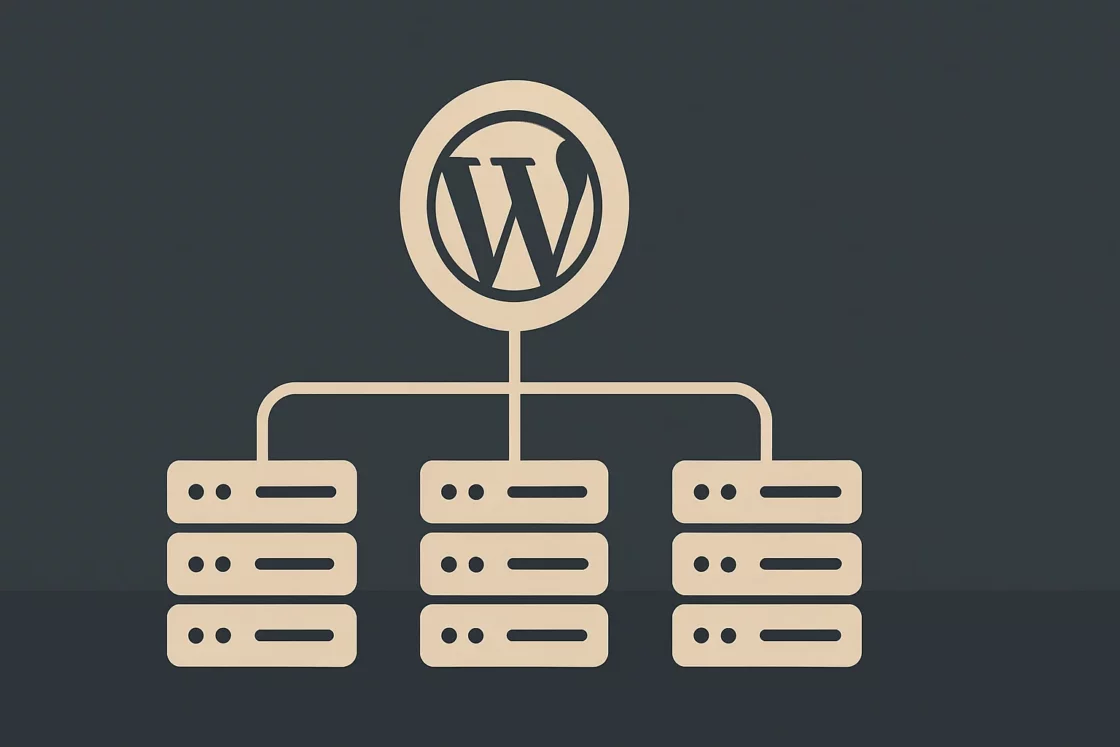
TL;DR — Multi-region WordPress infrastructure for global brands typically uses: (1) Cloudflare/Fastly CDN with edge caching globally — serves cached HTML and assets from nearest PoP, (2) WP installs in 2-3 regions (U...
TL;DR — WordPress vs custom development: WordPress wins for content-heavy sites, marketing sites, blogs, e-commerce (WooCommerce), and anything where editors need to publish without dev support — costs $15K-$120K to ...
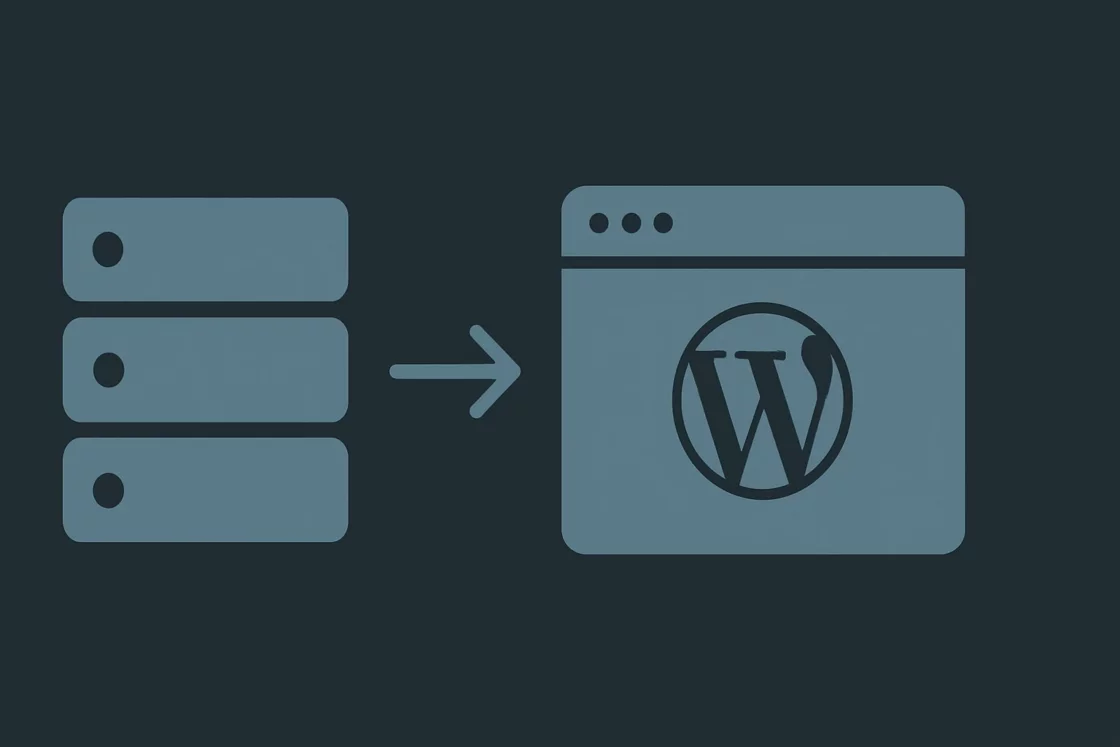
TL;DR — Headless WordPress for enterprise means decoupling the editorial layer (WordPress as CMS) from the presentation layer (Next.js, Astro, or custom React frontend). Stack: WordPress + WPGraphQL on managed hosting ...
TL;DR — To scale WordPress beyond 1M monthly visitors: (1) page-level caching via Varnish/Nginx FastCGI (most critical), (2) full-page CDN edge caching via Cloudflare APO or Fastly, (3) Redis or Memcached object cache ...
TL;DR — WordPress is “mission-critical” when downtime directly costs revenue, regulatory exposure, or brand trust. Signs: >100K monthly visitors, e-commerce >$10K/day, healthcare/financial data handling, B2...
TL;DR — Enterprise WordPress means: (1) managed hosting on platforms built for scale (WordPress VIP, WP Engine Enterprise, Pantheon Gold) — not shared hosting; (2) SSO integration with corporate identity providers; (...
TL;DR — An enterprise-ready web platform must offer: (1) SSO + role-based permissions, (2) audit logging for every change, (3) multi-environment workflows (dev/staging/prod with promotion), (4) horizontal scaling and C...

TL;DR — Enterprise web platforms make different trade-offs between raw performance and flexibility. WordPress VIP and headless CMS setups (Contentful, Strapi) offer most flexibility with developer effort. AEM and Sitec...