


Every WordPress site owner has experienced that heart-stopping moment—you’re about to update your theme or install a new plugin, and you wonder: what if something breaks? What if your site goes down in the middle of the day when customers are trying to reach you? This anxiety is completely justified. WordPress powers over 43% of all websites on the internet, and with that popularity comes constant updates, new plugins, and the inevitable need to make changes. But there’s a solution that eliminates this stress entirely: using a WordPress staging site.
A staging site is essentially a mirror copy of your live website that exists in a hidden, test environment. It’s where you can safely experiment, test updates, try new plugins, and make design changes without risking your actual website’s performance or availability. Think of it as a sandbox where you can play without consequences. If something goes wrong on your staging site, your visitors never see it. Only when you’re 100% confident that everything works perfectly do you push those changes to your live site.
At Belov Digital Agency, we’ve seen firsthand how staging sites transform the way WordPress websites are managed and maintained. We’ve helped countless businesses avoid catastrophic update failures, prevent revenue loss from unexpected downtime, and streamline their entire development workflow. In this comprehensive guide, we’ll walk you through everything you need to know about WordPress staging sites—why you need one, how to set one up, and how to use it to maintain a rock-solid website.
Understanding the Real Cost of Website Downtime
Before diving into the mechanics of staging sites, let’s talk about what happens when you skip this critical step. Every minute your website is down costs you money. For an e-commerce site averaging $1,000 in hourly revenue, just one hour of downtime represents a direct loss of $1,000. But the damage extends far beyond that single hour.
When your site crashes or functions improperly after an update, you’re not just losing immediate sales—you’re damaging your reputation. Customers who experience errors or slow performance are less likely to return. Search engines like Google notice downtime and functionality issues, which can negatively impact your search rankings. You might spend months building your SEO presence only to lose significant ground due to a failed update.
Consider a real-world scenario: a small business owner decides to update their WordPress core, all plugins, and switch to a faster theme—all on a Friday afternoon without testing. By Saturday morning, the site is broken. The owner spends the entire weekend trying to fix it, unable to reach their developer because it’s a weekend, and customers are sending frustrated emails about not being able to checkout. This nightmare is entirely preventable with a staging site.
The Foundation: What Makes Staging Sites So Powerful
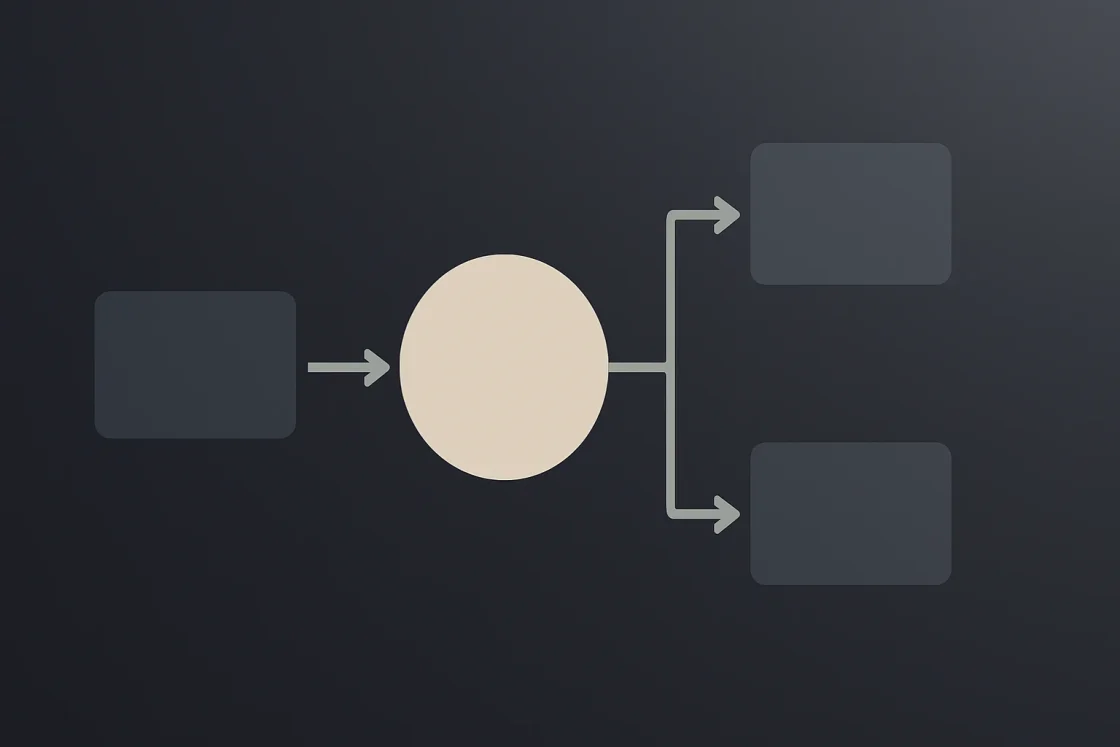
A staging site works by creating an exact duplicate of your production website in an isolated environment. This duplicate includes your entire database, all your files, your themes, plugins, and configurations. The key difference is that staging sites are not indexed by search engines and are not accessible to your regular visitors—they exist solely for testing purposes.
When you make changes on your staging site, nothing happens to your live site. You can install plugins, update WordPress core, modify code, redesign your homepage, or even perform a complete website overhaul. If everything works perfectly, you can then push those changes to your live site with confidence. If something breaks, you simply delete the staging site and try again. Your live site remains untouched and operational the entire time.
The beauty of this approach is that it transforms WordPress maintenance from a high-risk activity into a low-stress, methodical process. You move from hoping updates won’t break your site to knowing they’ll work before deploying them.
Setting Up Your WordPress Staging Environment: Three Proven Approaches
There are three primary ways to create a WordPress staging environment, each with distinct advantages depending on your technical skill level and specific needs.
Method One: Using Your Hosting Provider’s Built-In Staging Tools
This is the easiest approach for most WordPress site owners. Many quality hosting providers now offer one-click staging features built directly into their control panels. Providers like Kinsta, Bluehost, SiteGround, and WP Engine have invested heavily in making staging effortless.
The advantage of using your hosting provider’s staging tools is remarkable simplicity. You literally click a button in your hosting dashboard, and within minutes, your entire website is duplicated in a staging environment. These built-in solutions are optimized for your specific hosting infrastructure, which means your staging site will perform and behave identically to your live site. When you’re ready to push changes live, the hosting provider has already built in the technical expertise to handle URL replacements, database migrations, and cache clearing automatically.
The downside? These features are typically only available with premium hosting plans. If you’re using budget hosting, you won’t have access to this convenience. Additionally, you’re somewhat limited in what you can customize about the staging process itself—you’re using whatever workflow the hosting provider has built.
Method Two: Leveraging WordPress Staging Plugins
If you don’t have access to hosting-based staging tools, WordPress staging plugins offer a flexible middle ground. Popular options include WP Staging, Duplicator, and All-in-One WP Migration.
These plugins work by creating a duplicate of your website within your hosting account, usually on a separate subdomain. Many offer free versions with essential functionality, making them cost-effective for small businesses and individual developers. You gain more control over the cloning process compared to hosting provider tools—you can choose what elements to duplicate, where to deploy your staging site, and manage the entire process from your WordPress dashboard.
The tradeoff is that staging plugins require a bit more manual configuration and add some overhead to your hosting account (since you’re essentially running two separate WordPress installations). You’ll also need to handle some technical aspects like preventing search engine indexing of your staging site and managing the deployment back to your live site.
Method Three: Local Development Environments
The most technical approach is setting up a local development environment on your computer using tools like Local by Flywheel or Docker. This creates a completely isolated version of your WordPress site running on your personal computer.
This method offers maximum flexibility and doesn’t consume any of your hosting resources. You can work entirely offline, test extensively, and only push changes to your live site when you’re completely satisfied. However, it requires technical knowledge to set up and manage. You’ll need to handle database synchronization manually, and local environments don’t perfectly replicate every aspect of your hosting environment (PHP versions, server configurations, and installed extensions may differ).
For most WordPress site owners—especially business owners who aren’t developers—methods one or two are far more practical than local development.
Critical Benefits That Transform Your WordPress Management
Risk-Free Testing of Updates and New Features
This is the primary reason to use a staging site. WordPress, themes, and plugins are constantly updated. These updates patch security vulnerabilities, add features, and improve performance. However, updates occasionally introduce incompatibilities or bugs that break aspects of your website.
By testing every update on your staging site first, you gain complete visibility into what will happen when you update your live site. You can identify plugin conflicts, theme compatibility issues, or code problems in a safe environment. If an update causes problems, you catch it before it affects your visitors. If everything works perfectly, you deploy with absolute confidence.
Safe Plugin and Theme Experimentation
Want to try a new WordPress plugin without risking your live site? Interested in switching to a different theme? A staging site is where you test these changes. Install the plugin on staging, verify it works with your current setup, ensure it doesn’t conflict with other plugins, and confirm it actually delivers the functionality you need. Only then do you install it on your live site.
For theme changes, the advantages are even more significant. You can completely redesign your website on staging—changing layouts, colors, fonts, and structure—while your live site continues operating normally. Your team can review the new design, make adjustments, and get everyone’s approval before the redesigned site goes live. This collaborative approach eliminates the “surprise redesign” problem where a poorly-designed website suddenly appears to your customers.
Seamless Website Redesigns and Major Updates
Planning a website redesign? A staging site lets you rebuild your entire website without any impact on your live site. You can migrate to a completely new theme, restructure your navigation, update all your copy, add new functionality, and redesign every page. Once everything is perfect, you push the staging site live and your visitors see a polished, cohesive redesign instead of gradual, ongoing changes.
Improved Team Collaboration and Review Processes
If you work with a development team, designers, or content creators, staging sites provide an invaluable collaboration space. Multiple team members can access the staging site simultaneously, review changes, provide feedback, and verify everything works correctly before deployment. This shared environment ensures that changes go through proper review and approval processes rather than being pushed directly to the live site by individual team members.
For marketing teams, this means you can review how new campaigns will look on your website before they go live. For development teams, it means code reviews and testing happen in an environment that exactly mirrors production. This structured workflow catches errors, improves quality, and prevents embarrassing mistakes from reaching your customers.
Performance Optimization Without Live Site Risk
Want to optimize your website for speed? Planning to implement caching strategies or CDN changes? These modifications can sometimes have unexpected effects. Test them on your staging site first. See how your pages load, measure the performance improvements, and identify any issues before deploying these changes to your live site.
Many hosting providers like Kinsta now include performance monitoring and optimization tools that work seamlessly with staging environments, allowing you to see exactly how your changes will impact real-world performance before they affect your visitors.
The Technical Implementation: Making It Work For Your Specific Situation
Choosing the Right Approach for Your Business
Your choice of staging method should depend on several factors:
Your technical comfort level: If you’re not technical, use your hosting provider’s one-click staging or a reputable staging plugin. If you’re comfortable with command line tools and Docker, local development might be appropriate.
Your hosting provider’s capabilities: Check what your current host offers. If they have built-in staging, use it—there’s no reason to add complexity elsewhere.
Your budget: Premium hosting with staging costs more than budget hosting, but the convenience and built-in optimization often justify the expense. Good options include SiteGround, Bluehost, and especially Kinsta for high-performance WordPress hosting.
The complexity of your website: Simple websites work fine with any method. Complex sites with many plugins, custom code, and specific configurations benefit from hosting-based staging that perfectly mirrors your production environment.
Best Practices for Managing Your Staging Site
Once you’ve set up your staging environment, following these practices ensures you get maximum value:
Keep staging synchronized with production: Regularly sync your staging site with your live site so you’re always testing against current data and configurations. Most hosting providers and staging plugins automate this.
Prevent search engine indexing: Configure your staging site to prevent Google and other search engines from crawling and indexing it. This prevents confusion in search results and avoids duplicate content penalties. Most platforms handle this automatically, but verify it in your settings.
Use a consistent naming convention: Name your staging site something like staging.yoursite.com or staging-yourdomain.com so it’s immediately clear what environment you’re in. This prevents accidental changes to the wrong site.
Document your testing process: Before pushing major changes live, document what you tested, what worked, and any issues you encountered. This creates a record and helps you remember why you made specific decisions.
Always backup before deploying: Even though staging sites are specifically designed to prevent problems, quality hosting providers (like those offered by Pressidium) automatically backup your live site before pushing staging changes live. Verify your host does this—it’s a critical safety net.
Real-World Scenarios: How Staging Sites Prevent Disasters
The Plugin Conflict Prevention Story
Consider an e-commerce store that relies on a popular SEO plugin and a WooCommerce optimization plugin. The store owner wants to install a new advanced analytics plugin to better understand customer behavior. Without staging, they install it directly on the live site. The new plugin conflicts with the existing WooCommerce optimization plugin, and suddenly the checkout process is broken. Customers can’t complete purchases. Within 30 minutes, the store has lost thousands in revenue and faces angry customer support emails.
With a staging site, this owner installs the analytics plugin on staging first, runs through the entire checkout process, identifies the conflict immediately, and either finds an alternative plugin or adjusts configurations to fix the incompatibility. Only after verifying everything works perfectly is the plugin deployed to the live site.
The Catastrophic Theme Update
A WordPress theme receives a major update that promises performance improvements and new features. A website owner, excited about these improvements, updates the theme on their live site without testing. The new theme version isn’t compatible with their custom code and several plugins. The website’s header is completely broken, the contact form doesn’t work, and the site looks unprofessional. The owner has to scramble to find the previous version, downgrade, and spend hours troubleshooting.
With a staging site, the owner updates the theme on staging, reviews the entire website to ensure nothing is broken, verifies all plugins still work, and tests the contact form and other critical features. When they discover the incompatibility, they have time to contact the theme developer, explore solutions, or find an alternative theme—all before affecting live visitors.
The Redesign Approval Process
A small business wants a website redesign but is nervous about major changes affecting their online presence. They hire a designer to create a completely new website design on a staging site. The stakeholders review the staging site—the owner likes it, the marketing manager suggests a few tweaks, and they collectively decide the color scheme works better with slightly different typography. The designer makes these adjustments on staging, everyone approves, and then the staging site is pushed live as a complete, coordinated redesign rather than a series of incremental changes that might confuse visitors.
This is only possible because staging sites provide a space to iterate, review, and perfect changes before they affect your live website.
Overcoming Common Staging Site Challenges
Database Synchronization Issues
One challenge with staging sites is keeping them synchronized with your live site. If your live site changes frequently (new blog posts, customer data, comments), your staging site can become outdated. Most modern hosting platforms handle this automatically with simple synchronization buttons, but it’s worth verifying how your chosen solution manages this.
Performance Testing Accuracy
Staging sites hosted on the same server as your live site might not perfectly replicate performance under heavy load. If you’re testing how your site performs during high-traffic periods, consider running load testing tools on your staging site to simulate realistic conditions. Tools like LoadImpact or ApacheBench can help identify performance bottlenecks before they affect your live site.
Third-Party Service Integration
Some features on your website rely on third-party services—payment gateways, email services, analytics tools. When testing on staging, you need to be careful with these integrations. You don’t want test transactions to be processed as real payments or staging data to pollute your analytics. Most services offer “sandbox” or test modes specifically for this purpose. Configure your staging environment to use these test modes while you test.
Selecting the Right Hosting for Optimal Staging Capabilities
Not all WordPress hosting is created equal when it comes to staging environments. As you evaluate hosting options, consider these factors:
One-click staging: Does the host offer a simple button to create a staging environment, or do you need to use plugins and handle it manually?
Premium hosts like Kinsta include staging as a standard feature, making the entire process effortless. SiteGround and WP Engine also offer excellent staging capabilities. These hosts understand that serious WordPress site owners need robust staging, and they’ve built it into their core offering.
Automatic synchronization: Can your staging site automatically pull updates from your live site, or do you need to manage this manually?
Seamless deployment: How easy is it to push changes from staging back to your live site? Does the host handle URL changes, database updates, and cache clearing automatically?
Performance parity: Does your staging environment use the same server resources and infrastructure as your live site, ensuring your staging performance testing is accurate?
Support for complex configurations: If you use custom code, specific WordPress plugins, or non-standard configurations, does the host’s staging tool handle these properly?
If your current hosting doesn’t offer robust staging capabilities, it might be worth considering a migration to a host that does. The convenience and safety benefits often justify the investment.
Building a Staging Site Into Your WordPress Workflow
The Ideal Development and Deployment Process
Here’s how a professional WordPress development workflow incorporates staging sites:
- A team member identifies changes needed—perhaps a new plugin, theme update, or design modification
- They create or update the staging site, replicating the current live site
- They implement the changes on staging and thoroughly test functionality, performance, and compatibility
- Other team members review the staging site and provide feedback
- Changes are refined based on feedback
- Final testing confirms everything works perfectly
- When ready, the changes are deployed from staging to the live site with a single action
- The live site is verified to ensure deployment was successful
- Backups are confirmed in case rollback becomes necessary
This process might seem overly formal for small changes, but it becomes invaluable for major updates, redesigns, or complex feature additions. Even for smaller changes, following this workflow dramatically reduces problems and ensures consistency.
Documentation and Communication
When working with staging sites, especially in team environments, clear communication is critical. Document what changes you’re testing, expected outcomes, and any issues you encounter. This creates an audit trail and helps team members understand the reasoning behind changes.
If you’re working with an agency like Belov Digital Agency, this documentation becomes especially important for explaining changes to clients and ensuring everyone understands what was tested and why.
Measuring the True Value of Your Staging Environment
How do you quantify the value of a staging site? Consider these metrics:
Downtime prevented: How many times has your staging site caught an issue before it affected your live site? Each prevented outage saved you revenue and reputation damage.
Development time: How much faster can your team work knowing they can test freely without worrying about breaking the live site? Faster development cycles mean faster feature launches.
Error reduction: How many bugs and compatibility issues does your staging site catch before they reach customers? Fewer problems mean better user experience and reduced support overhead.
Team confidence: How much more confident and less stressed is your team when deploying updates? Reduced stress leads to better decisions and fewer mistakes.
Client satisfaction: If you’re managing WordPress sites for clients, staging sites demonstrate professionalism and thoroughness. Clients appreciate knowing their website is being tested before changes go live.
These benefits compound over time. A staging site might save you money on a single prevented outage, but over a year, the cumulative benefit of safer deployments, faster development, and fewer problems becomes substantial.
The Path Forward: Making Staging Standard Practice
If you’re currently managing a WordPress website without a staging environment, the message is clear: start using one immediately. The setup process is typically straightforward whether you use your hosting provider’s tools, a plugin, or a local development environment. The safety and confidence benefits justify the minimal setup time.
If you’re already using WordPress staging but haven’t optimized your workflow around it, consider reviewing your process. Are you testing every update? Are team members using staging for review before pushing changes live? Are you documenting your testing and deployment processes? Small improvements to your staging workflow multiply over time.
For those managing multiple WordPress sites or complex website projects, staging becomes non-negotiable. The difference between a hosting provider with excellent staging tools and one without is significant. If you’re not happy with your current hosting’s staging capabilities, contact Belov Digital Agency to discuss better hosting options or a migration to a platform with superior staging support.
WordPress powers millions of websites, and the best-managed ones all share one common practice: they use staging sites to test thoroughly before deploying changes. By implementing this one practice, you join the ranks of professionals who maintain reliable, continuously improving websites without the stress and risk of working directly on live sites. Your visitors, your team, and your bottom line will all thank you for it.